Community Corner
The President Kennedy Disease
Addison's disease is the opposite of Cushing's Disease because there is a lack of cortisol in the body
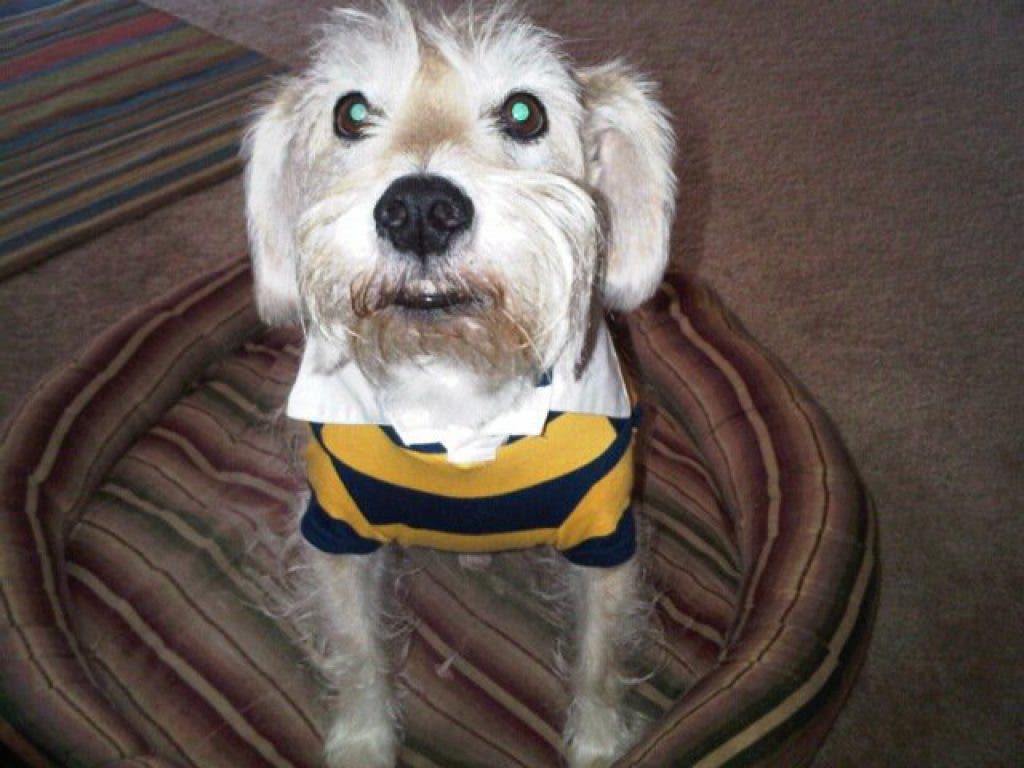
Last week I talked about (Hyperadrenocorticism), which is caused by an excess of cortisol in the body, so this week I thought it would be appropriate to discuss the opposite of this condition, where there is a lack of cortisol. This uncommon disease, called Addison's Disease or Hypoadrenocorticism, creates many health issues in dogs and cats, as well as in humans. As a matter of fact, President John F. Kennedy suffered from this illness for many years.
The main cause of this disease is thought to be due to the immune system attacking and destroying the adrenal glands for an unknown reason. This destruction of the adrenal glands leads to a lack of two "natural" steroids, Glucocorticoids (cortisol) and Mineralocorticoids (aldosterone). It can also be caused by a pet being on too high a dose of one of the medications used to treat Cushing's Disease. This overdose reduces the amount of cortisol too much, which leads to a deficiency in the body.
Great Danes, Standard Poodles. Portuguese Water Dogs, West Highland Terriers and Wheaten Terriers are at risk for developing this disease with females having an increased risk. Due to its rarity in cats, no breed or sex predilection has been identified. Most pets that develop Addison's are middle aged (around 4 or 5 years of age), although it can happen at any age.
Find out what's happening in Lawrencevillefor free with the latest updates from Patch.
Glucocorticoids and Mineralocorticoids are extremely important in maintaining the proper balance of electrolytes (sodium, potassium and chloride). Glucocorticoid deficiency causes anorexia (lack of appetite), vomiting, diarrhea, lethargy, weight loss, and predisposes to hypoglycemia (low blood sugar). Lack of Aldosterone causes a build up of potassium and an increased loss of sodium in the body. So what happens when there is an excess of potassium? Well, it causes the heart rate to slow down immensely, which can lead to weakness, collapse, flaccid paralysis and death. Sodium deficiency can lead to low blood pressure, weakness, heart and kidney failure.
Addisonian pets usually come into the hospital for having signs related to a lack of Aldosterone and Glucocorticoids, as described above, as well as shaking, drinking and urinating more. These signs can occur in many other diseases, but the main feature of this disease that gives me (and most vets too, i'm sure) a clue to the possibility of the pet being Addisonian, is the owner will say that their pet will act sick for a while, begins acting normal after being treated at the vet's office for the symptoms, then acts sick again a few weeks later. In veterinary medicine we call this "waxing and waning", which simply means that the signs come and go.
Find out what's happening in Lawrencevillefor free with the latest updates from Patch.
Bloodwork ran on these pets will show electrolyte imbalance (low sodium and chloride and a high potassium) as well as hypoglycemia and increased liver enzymes. The definitive test is an ACTH Stimulation Test, just as is done in Cushing's Disease, and the results show the opposite effect of giving cortisol. In Cushing's Disease, the amount of cortisol produced in the body after giving "outside" cortisol is double or more the normal amount. Whereas, in Addison's disease, the administration of cortisol will cause absolutely no increase in the body's production of it.
The drug of choice, DOCP (Desoxycorticosterone pivalate or Percorten V) comes in an injectable form and is usually given every 21-30 days. Another alternative is giving both prednisone ( a glucocorticoid) and fludrocortisone (a mineralocorticoid) orally once or twice daily. Pets with this disease will need to be on meds lifelong.
This disease, like Cushing's, is managed, not cured and the dose of meds may need to be adjusted periodically. Regular bloodwork is also necessary to monitor the electrolyte levels. If your pet has a sudden onset of the symptoms of this disease, (called Addisonian crisis), this is an emergency and your pet should be taken to see your veterinarian or an emergency vet right away. He or she will be given aggressive I.V. fluid therapy and injections of cortisone for stabilization. For the most part, pets with Addison's disease have a good to excellent prognosis with proper treatment and are able to live normal lives.