Business & Tech
AT&T Plans for Hurricane Season
The carrier says it is the only telecom company to become re-certified under new Department of Homeland Security measures.


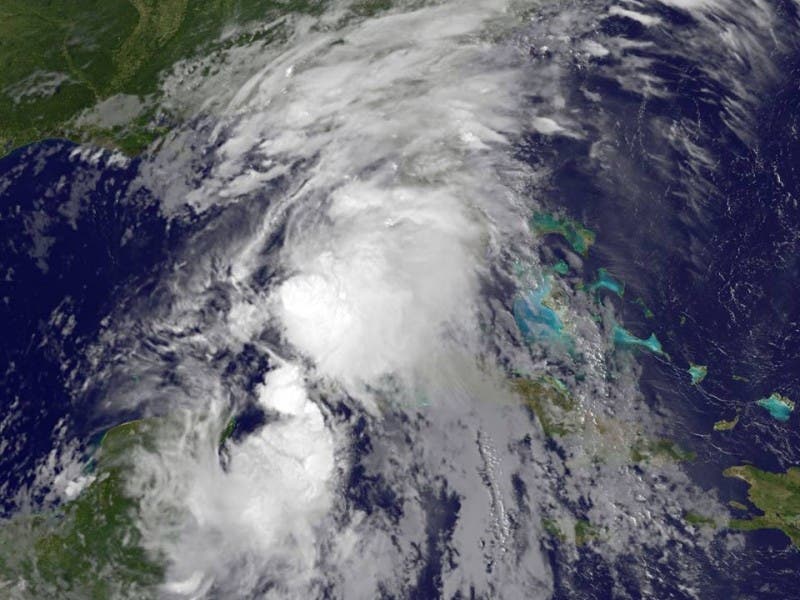
As Tropical Storm Colin remained on a collision course for Florida’s Big Bend area Monday morning, AT&T in Georgia says it is has one of the industry's largest, most advanced business continuity and disaster response programs to make sure its networks stay up and running.
AT&T has invested more than $600 million in the Network Disaster Recovery (NDR) program. And an arsenal of equipment is ready for deployment, including more than 300 technology and equipment trailers that can be quickly deployed, making it one of the nation's largest and most advanced disaster programs.
The NDR team works to make sure the right people and tools are in place and ready near the storm impact area. They work with other AT&T response teams, local AT&T network personnel, regional Emergency Operations Centers and Local Response Centers to prepare. Teams are ready to restore and maintain service if disaster strikes.
Find out what's happening in Midtownfor free with the latest updates from Patch.
AT&T says it is the only telecom company to recently become re-certified under new international standards by the Department of Homeland Security for its disaster preparedness program.
AT&T standard pre-storm network preparations typically include:
Find out what's happening in Midtownfor free with the latest updates from Patch.
- Boosting the wireless network to accommodate increased call volume.
- Testing the high-capacity backup batteries located at cell sites.
- Staging extended battery life and portable generators and maintaining existing fixed generators.
- Topping off generators with fuel at cell sites and switching facilities.
- Using natural gas in some of the permanent generators to eliminate the need to refuel.
- Staging generators in safe locations for immediate deployment once a storm has passed.
Response equipment readied in the wake of an event includes:
- Mobile cell sites and mobile command centers
- Emergency communications vehicles
- A self-sufficient base camp. This is complete with sleeping tents, bathrooms, kitchen, laundry facilities, on-site nurse and meals ready to eat (MREs).
- Hazmat equipment and supplies
- Technology and support trailers to provide infrastructure support and mobile heating ventilation and air conditioning
- Internal and external resources for initial assessment and recovery efforts.
As of Monday morning, forecasters at the National Hurricane Center placed the storm about 315 miles west-southwest of Tampa. The storm is anticipated to arrive in the Big Bend area in the afternoon or evening hours Monday.
Tropical storm warnings have been issued from Indian Pass to Englewood. The storm’s maximum sustained winds were near 50 mph Monday morning with little change in strength expected during the day Monday.
To find out more about hurricane season and storm preparation, read these related Patch stories:
- Hurricane Season 2016: Where To Find Local Information
- 2016 Atlantic Hurricane Season Forecast Released
- Hurricane Season: How to Prepare
- Tampa Bay 'Ripe for Disaster,' Hurricane Experts Say
To keep up with storm activity as the season develops, bookmark the National Hurricane Center’s website and keep an eye on your hometown Patch site for local information.
Graphics courtesy of the National Hurricane Center
Get more local news delivered straight to your inbox. Sign up for free Patch newsletters and alerts.