Community Corner
What is Play Therapy?
A common question answered in a way that helps parents and other adults understand the definition and benefits of Play Therapy.

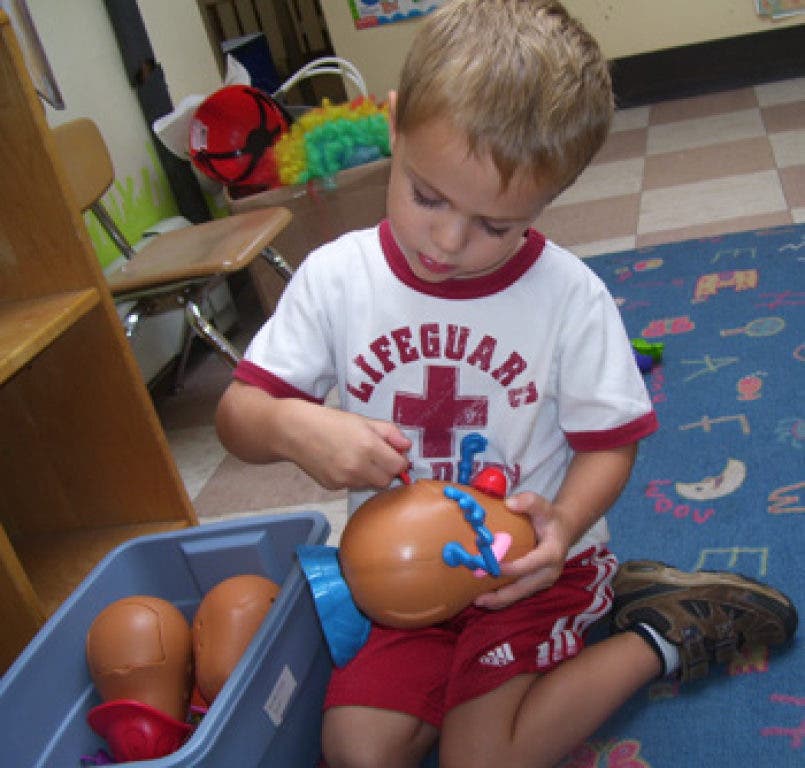
Q. Can you explain what Play Therapy is? I wonder if it’s something my child might benefit from.
A. The Association for Play Therapy defines Play Therapy as "the systematic use of a theoretical model to establish an interpersonal process wherein trained play therapists use the therapeutic powers of play to help clients prevent or resolve psychosocial difficulties and achieve optimal growth and development."
That’s the formal definition. I would say Play Therapy is the standard and most effective means of helping children express what is going on for them internally and in their world. Dr. Garry Landreth, RPT-S teaches that play is a child’s language and toys are his/her words.
Find out what's happening in Northeast Cobbfor free with the latest updates from Patch.
Play Therapists are trained in-depth on how to 1) create and hold an emotionally safe place for children to be who they are, feel what they feel and do what they do, 2) allow children to be children in a way that honors and respects them right where they are without correcting or judging, 3) set limits when needed to assure a child’s safety in the play room, 4) track children’s choices in the play room in a way that affirms who they are and what they have to say through their play, 5) how to make mental notes (and later notes on paper) about themes we observe in a child’s play bringing adult understanding to these themes in order to make recommendations to parents and teachers, 6) how to work with parents and sometimes the entire family in a way that facilitates healing.
Play Therapy is not only for children who have experienced extreme trauma. Play Therapy is very helpful for assisting children with separation anxiety, fears, attention deficit, behavioral issues in school, divorce, death of a pet or a loved one and many other issues most children face at some point in their lives.
Find out what's happening in Northeast Cobbfor free with the latest updates from Patch.
I always recommend parents seek a therapist who is either a Registered Play Therapist (RPT) or one who is in training and on track to be an RPT in supervision with a Registered Play Therapist Supervisor (RPT-S) such as myself. The extensive training and experience required to receive this credential is an excellent way to know that your child’s therapist knows how to be an effective Play Therapist.
Filial Play Therapy is something parents can be trained in by a Registered Play Therapist to assist their children at home through play. There are 6 week, 8 week and 10 week training courses parents can sign up for to gain experience and learning on how to have filial play sessions at home with their own kids.
And believe it or not, Play Therapy is not only for children. Teens and even adults can benefit from some forms and levels of Play Therapy. I use it with families in my counseling center as a means of facilitating interaction, observing the family’s dynamics and creating opportunity for healing to occur.
To read more about Play Therapy or to find a Play Therapist in your area, you might visit the Association for Play Therapy’s website www.a4pt.org .