Health & Fitness
Monitoring Indoor Air Pollution
Outdoor air quality grabs our attention this time of year, but what about the air inside our own homes?
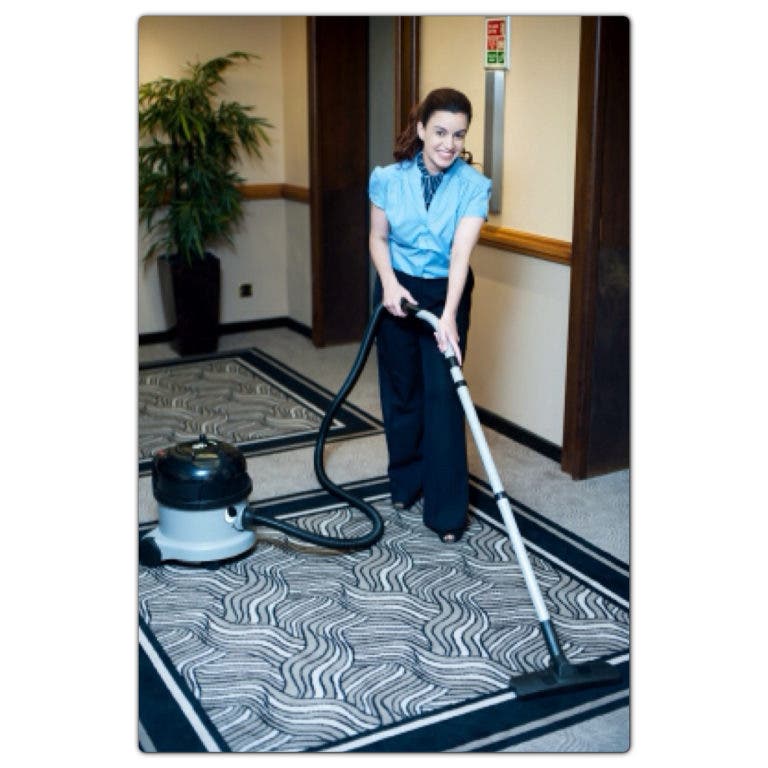
The quality of the air outside is at least a small concern for most of us, but what about the air inside our own homes? The Environmental Protection Agency estimates that indoor air can be 2-5 times more polluted than the air outdoors. The EPA is responsible for monitoring outdoor pollution, but here are some tips to help you crack down on the pollutants inside your home.
Find out what's happening in Peachtree Cornersfor free with the latest updates from Patch.
Be Choosey with Cleaning Products
Find out what's happening in Peachtree Cornersfor free with the latest updates from Patch.
Many off-the-shelf cleansers contain powerful and often toxic solvents, antibiotic pesticides and other nasty chemicals. Chlorine is poisonous, so never mix a chlorine-based cleanser with an acid-based cleanser, like vinegar or ammonia. To be safe, don’t clean the same surface with one and then follow with another. The result of mixing these two elements is potent and often results in deadly chlorine gas.
Be Picky with Paint
Lead paint is a well known danger that is banned in the US. However, older homes may still have lead paint on the walls, so maintaining old paint is critically important. Wall paint isn’t the only danger. Hobby and crafting paint and glues can be just as bad, or even worse. Avoid using solvents, glues or paints indoors.
Vent While You Cook
Just the simple act of cooking on the stove can introduce unsafe levels of nitrogen dioxide into the air, increasing the risk of asthma attacks and other respiratory illness. The creation of simple steam is also a concern, as it can cause moisture build-up and promote unwanted mold, just as it does in bathrooms. Properly ventilate your stove so that the exhaust vents to the outdoors.
Take Care of Your Carpets
Carpets can harbor dirt, dust mites, pet dander, and fungus that can irritate the lungs or cause asthma attacks. Some carpets even contain suspect chemicals such as formaldehyde introduced during the manufacturing process that can lead to the same problems. Choose nontoxic carpets for your home when possible, and deep clean your existing rugs on a regular basis.
Image courtesy of stock images / FreeDigitalPhotos.net