Crime & Safety
Stay Safe in the Cold: Gwinnett Fire Offers These Suggestions
"Improper home heating is a leading cause of residential fires in during the cold weather months."


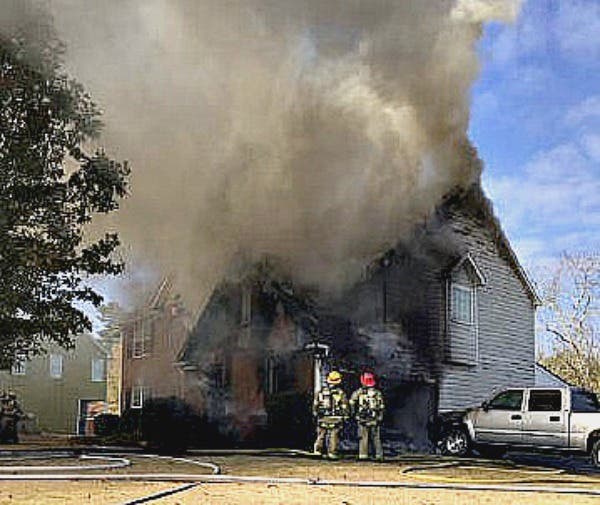
Gwinnett County firefighters are readying for a busy winter season — cold weather means an increase in structure fires.
“Improper home heating is a leading cause of residential fires in during the cold weather months,” said Capt. Thomas Rutledge, spokesman for the Gwinnett Department of Fire and Emergency Services.
Many of these fires occur due to poorly maintained heating appliances or those that are placed too close to combustibles. All home heating appliances should be checked annually by a qualified technician prior to use.
Find out what's happening in Peachtree Cornersfor free with the latest updates from Patch.
Firefighters suggest that now is the time to prepare your home and family for the cold weather.
When turned-on for the first time, the furnace, whether gas or electric, may produce a slight burning smell or even a light haze of dust inside the home. This happens because the furnace sits during the spring and summer and is not used.
Find out what's happening in Peachtree Cornersfor free with the latest updates from Patch.
According to firefighters, this is not a cause for alarm. They suggest opening doors and windows for a few moments to air-out the rooms and allow the dust and odor to dissipate. If the odor and dust persist while the furnace is in use, shut the appliance off and call a service technician.
Call the fire department, if there is any sign of smoke or fire from the appliance. Having the furnace serviced annually by a qualified professional can help reduce the chances of a fire starting and prevent a carbon monoxide emergency from occurring. Repairs should only be done by someone certified for the job.
If you use space heaters or portable heaters, remember to keep them away from combustible materials such as clothing, bedding and furniture. It is also a good idea to place space heaters out of the way of high-traffic areas. A space heater or portable electric heater can easily tip over.
Children and pets should be kept away from any heat producing appliance. If you leave the home for any period of time, or if you’re planning to go to sleep, remember to turn the heater off. Purchase and use only those space heaters that have an independent testing laboratory label and one that has built-in safety features.
A fireplace or wood stove is a popular way to heat a home. Only use a fireplace or wood stove that has been installed properly.
The chimney should be cleaned and inspected annually by a qualified technician. Check the damper to ensure that it’s open while the fireplace is in use. Never close the damper when hot ashes are in the fireplace.
Closing the damper could cause toxic levels of carbon monoxide to spread throughout the home. Use a glass or metal screen in front of the fireplace to keep hot embers or sparks from jumping out and igniting furniture or carpeting.
Before going to sleep, make sure that the fire in the fireplace is completely out. The damper should be left open until ashes or glowing embers have cooled and are no longer producing heat.
Hot ashes from the fireplace should be placed in a metal container and removed from the home. The ashes in the container may remain hot for several days and could spark a fire if not properly discarded. Place the container outside at a safe distance away from the house.
Never attempt to use a range top stove or an oven as a supplemental way to stay warm. Not only is it a safety hazard, it could also be a source of potentially toxic fumes.
PREVENT CARBON MONOXIDE EMERGENCIES
Carbon Monoxide (CO) poisoning can kill or cause long-lasting health problems. CO binds tightly to red blood cells and keeps sufficient oxygen from getting to the body. It is especially dangerous for children, pregnant women, people with heart disease, and the elderly.
Early signs of CO poisoning are similar to flu-like symptoms and include: headache, sleepiness, nausea, shortness of breath, and dizziness.
If you suddenly feel these symptoms, you should go outside in the fresh air. If you begin to feel better in the fresh air; then you may be experiencing a CO poisoning emergency. Call 9-1-1 to report the emergency and don’t go back inside the structure until the problem is corrected and it’s safe to re-enter.
Finally, install CO alarms in your home. CO is a by-product of combustion and is present whenever a fuel is burned. Potential sources of carbon monoxide are gas or oil furnaces, refrigerators, clothes dryers, water heaters, fireplaces, charcoal grills, gas ranges, wood burning stoves, gas heaters and gas powered generators.
Never run your car’s engine or any other gas powered vehicle or equipment in the garage, even if the garage door is open. Doing so could cause toxic CO fumes to enter the home.
Firefighters suggest having potential problem sources inspected annually by a certified technician. If you suspect a CO leak or the CO alarm sounds, call 9-1-1 and evacuate immediately. Leave the home shut-tight to allow firefighters to determine the source of the carbon monoxide. Install carbon monoxide alarms near the sleeping area and main-level of the home.
Firefighters suggest that following simple fire safety rules can help ensure your family’s safety during the cold weather months. Install and maintain working smoke alarms on every level of the home and in each of the bedrooms, develop a home escape plan, and practice fire drills with the entire family. Purchase escape ladders for upper floors and have a multi-purpose (ABC) dry-chemical fire extinguisher close at hand for use on small fires.
For more additional information on home fire safety and preventing carbon monoxide emergencies, please contact the Gwinnett Fire Community Risk Reduction Division at 678.518.4845 or e-mail fireprograms@gwinnettcounty.com.
The department offers a free home fire safety survey and smoke alarm check as part of its community risk reduction efforts. Please see the attached safety tip sheets from the National Fire protection association and Gwinnett County Department of Fire and Emergency Services.
(Photo: Fire scene from Dacula house fire, Nov. 14. Credit: Gwinnett Fire PIO)
Get more local news delivered straight to your inbox. Sign up for free Patch newsletters and alerts.