Politics & Government
Mayor: 'We Are Not Taking Houses' For Mt. Vernon Improvements
The city of Sandy Springs wants to improve modes of transportation on Mt. Vernon Highway between City Springs and the Perimeter Center.


SANDY SPRINGS, GA -- Scores of residents got a glimpse at concept plans for a project that would improve Mt. Vernon Highway between City Springs and the Sandy Springs MARTA Station. The city of Sandy Springs on Tuesday held a public information open house, which allowed participants to weigh in on their preferred method of transportation and to view the entire scope of the project.
Sandy Springs is eyeing the Mt. Vernon Highway corridor as part of its plan to improve ways you can get around in the area between City Springs and Perimeter Center. This review includes a study the possibility of installing new walkways, trails and local transit service "with the goal of creating non-automobile travel options for residents" between the future downtown and the MARTA station.
In his opening comments, Mayor Rusty Paul said Tuesday's turnout alludes to how passionate Sandy Springs residents are about the future of the city. He also used the moment to address rumors that the city will be taking dozens of homes in an effort to accommodate its plans along Mt. Vernon Highway.
Find out what's happening in Sandy Springsfor free with the latest updates from Patch.
“We are not taking houses," he said in front of the crowd and face-to-face with a few residents.
Two studies are underway related to improvements along the corridor. The Mount Vernon Highway Transit Study explores travel options between City Springs and the MARTA station, and explores what multimodal options are needed, in demand or can be used in the area. The second study, Mount Vernon Multimodal Corridor Study, examines options for travel in the area, including biking and walking, the recommendations from the transit study and how best to implement those recommendations.
Find out what's happening in Sandy Springsfor free with the latest updates from Patch.
Preliminary plans call for keeping the two traditional vehicular travel lanes in place, but adding improved sidewalks as well as multimodal lanes that could be used for walking, biking or other forms of getting around.
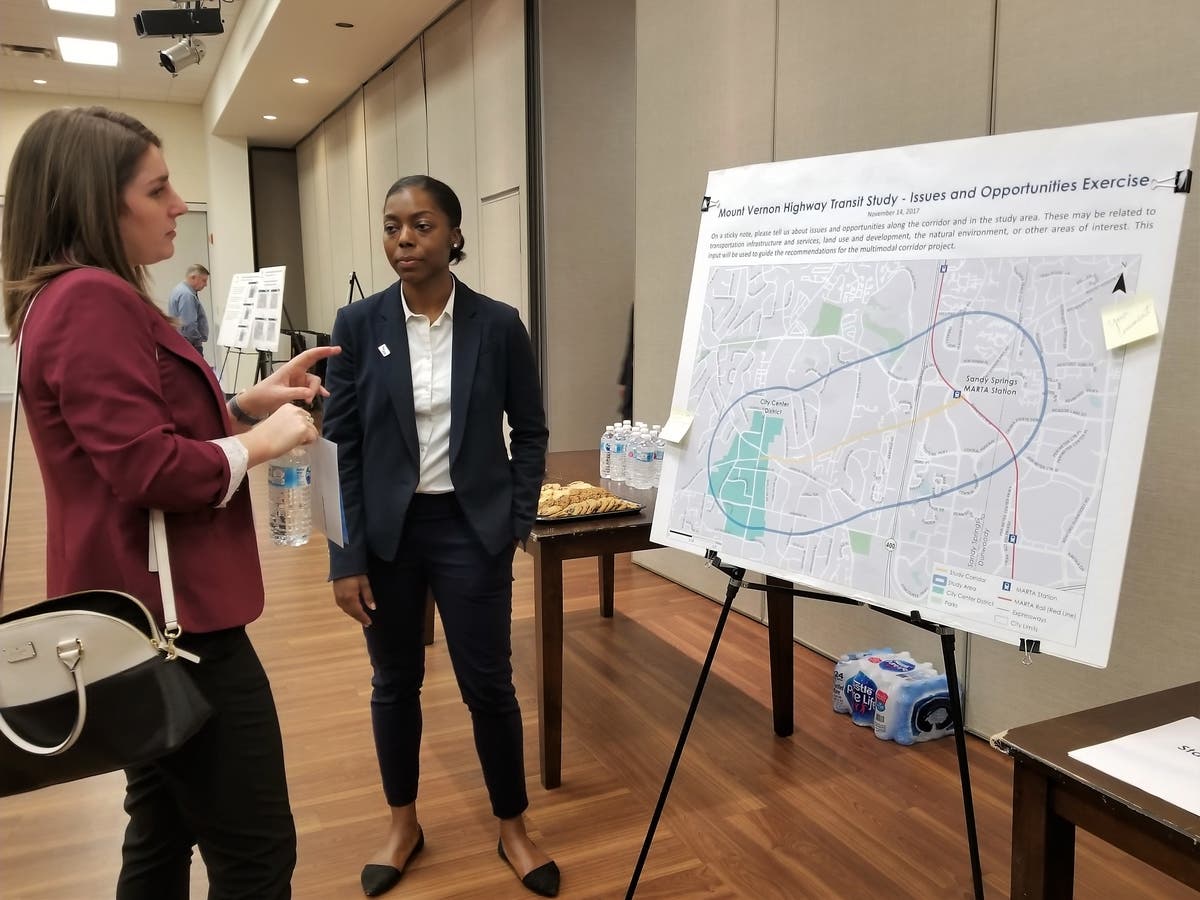
Paul said most of the project could be completed within the existing right of way, but the city may have to buy some land. These projects, he added, were approved by voters in November 2016 as part of the Transportation Special Purpose Local Option Sales Tax referendum, so "we have to do them." The question at hand, he added, is the project's scale and that's why the city is working to get feedback from residents. The city is interested in making sure residents get an opportunity to provide feedback on a project it hopes will provide residents with the opportunity to visit City Springs without getting into their cars.
A survey done as part of the city's land use plan update indicated 70 percent of respondents said "they would never get into their cars" if they can get to their destination safely, Paul added. Additionally, installing the multimodal lanes will provide the city with some wiggle room in the future for accommodating any technology innovations on the horizon that could help get people around effectively and efficiently.
- If you missed Tuesday's meeting, check out the city's page dedicated to the project to review the presentation.
Tuesday's open house came just a few weeks after a group of residents held a town hall meeting with District 3 City Councilman Chris Burnett to express their concerns about the city's project. Residents at that meeting expressed fears that the project could permanently alter their residential community, increase traffic flow on Mt. Vernon and make the corridor unsafe for pedestrians.
A few residents from the Glenview neighborhood and surrounding areas said they were under the impression that the Nov. 14 meeting was reserved for them to ask questions during the presentation.
Linda Hanks, who leads the Glenview Homeowners Association, told Patch she wanted to "express my extreme disappointment" with how the city handled the meeting. A roomful of people showed up believing they would be allowed to engage in a question-and-answer format with city officials and consultants, she said.
"I think we have a lot of disillusioned and disappointed people here," she added.
Julius Alembik said he was also frustrated because he wasn't able to provide his take on the sustainability of the neighborhoods, and was concerned about the "health and well-being of neighborhoods that are about to be destroyed."
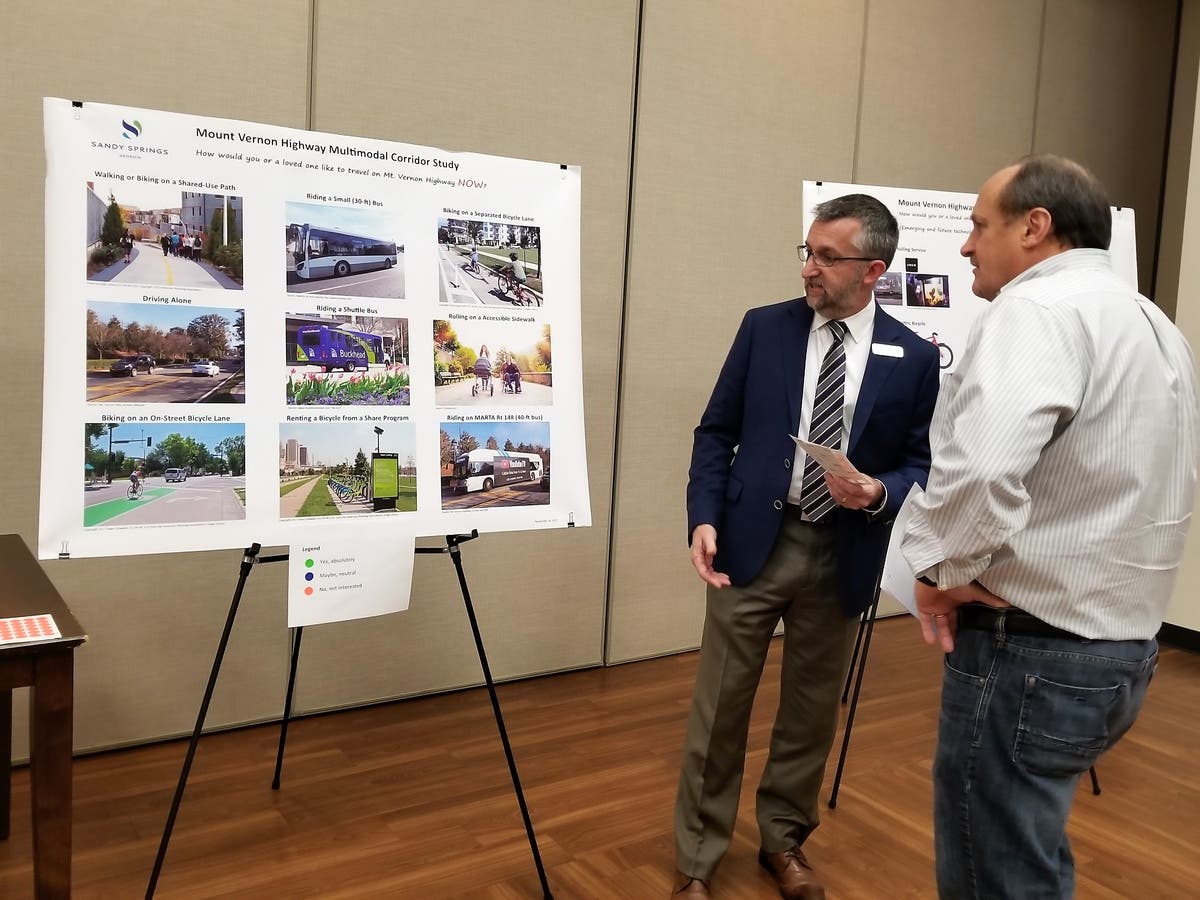
Mayor Paul said the format was designed to allow attendees to engage in a more intimate discussion and ask questions of consultants about specific components of the project. For example, some residents may have questions about the multi-modal components while others are solely concerned about the impact of their homes.
As with any plan, the city starts with a bird's eye view on what it wants to achieve and, after obtaining public input, the city narrows down that plan to fit the desires of residents in the community. This process isn't any different, Paul added. If it wasn't committed to transparency, Paul said the city could show up to a meeting, dictate to residents what's going to happen and refuse to accept feedback or public input. However, that's not how the city has operated in its nearly 12-year existence as an incorporated municipality, the mayor said.
Following Tuesday's meeting, the city will continue to accept comments until Nov. 22 on the project, and those can be submitted online. Once those comments are accepted, the consultants and staff will incorporate that feedback into a draft plan to present to the City Council for review and adoption. That is set to occur by April 2018.
Since the project is to be funded with T-SPLOST dollars and has to be completed within five years of the November 2016 vote, movement on the plans is expected to proceed at a quick pace. If the schedule holds, design work could begin in May 2018, right-of-way acquisition in January 2019 and an 18-month construction time period in December 2019. The projected completion date is set for June 2021.
Images via Kristal Dixon
Get more local news delivered straight to your inbox. Sign up for free Patch newsletters and alerts.