
Sports
Sandy Springs-Based Getting2Tri Helps Athletes with Disabilities Soar
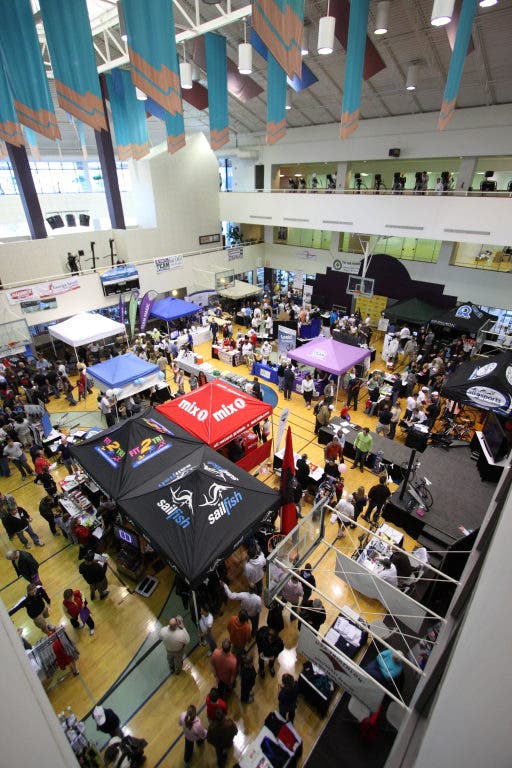
The Getting2Tri Foundation is a sponsor in the Southeastern Endurance and Multisport Expo, held at the Concourse Athletic Club on Saturday.


Endurance athletes come in many forms.
Sandy Springs-based Getting2Tri Foundation has proven that. Getting2Tri trains disabled athletes in triathlon events — running, biking and swimming.
“We use sports as a means to set goals for individuals, to create opportunities for success,” said founder Mike Lenhart. “And we have found that success in sports tends to lead to success in other areas of individuals’ lives.”
Find out what's happening in Sandy Springsfor free with the latest updates from Patch.
Getting2Tri is a sponsor of the Southeastern Endurance and Multisport Expo, held from 1:30-7:30 p.m., Saturday, at the Concourse Athletic Club.
If you’re mind is on an upcoming marathon, cycling race or any endurance event, you might want to stop by. The free event is expected to draw more than 1000 people and will feature seminars, demonstrations and 50 athletic exhibits.
Find out what's happening in Sandy Springsfor free with the latest updates from Patch.
Lenhart said Getting2Tri creates a community bond among challenged athletes who don’t want to allow their physical limitations to keep them out of the game.
Since 2008, Getting2Tri has held a National Paratriathlon Training Camp, where disabled athletes train together. This year’s camp is May 20-22 on the Georgia Tech campus.
Lenhart, 43, an amateur triathlete started the camp when he saw that competitive sports opportunities were limited for people with disabilities. Specialized racing wheelchairs or fitted prosthetic running legs, for example, was not making its way into the hands of the athletes, he said.
“What I found was, the equipment was readily available, but it wasn’t being utilized properly,” Lenhart said. “So after about two or three months (of competing in triathlons), the individual with a disability was getting discouraged and sort of throwing their hands up and not getting involved.”
About 40 people are expected to attend the camp in May.
A Camp Participant’s Story
Cadie Jessup, from Charlotte, N.C., was an active 33-year-old runner, who played flag football, before her leg was amputated below the knee in November 2009. Blood clots developed while she was being treated in the hospital for pneumonia, she said.
Following the surgery, she received materials from her physical therapists on opportunities for activities after her recovery. Over choices like bowling and tennis, Jessup chose triathlons, a sport she had never participated in.
By January 2010, she had already made contact with Lenhart and planned to attend a February seminar in Charlotte. She came to Atlanta that March - months ahead of schedule in her recovery and able to move around with her walking prosthesis.
But having little experience as a member of the disabled community, Jessup was apprehensive about her first time at camp.
“Here I am a very competitive person, I don’t like to lose,” says Jessup. “I was worried about going down there and barely being able to walk at that point.”
She continued, “Plus, I had never really been around other amputees, so I didn’t know what their mentality was. I didn’t want to be around people who were going to be depressed and ‘poor me,’ because that was not the path that I was going to choose for myself. But it was the absolute best experience. It changed my life, no doubt.”
Jessup, whose motto has become “limb loss is not life loss,” quickly realized that the camping environment was one of encouragement and camaraderie between the athletes and volunteers.
“All the athletes I met down there were positive and supportive of everyone,” she says.
After camp, Getting2Tri helped set up Jessup with her first triathlon event, a short race that August in Winston-Salem, near her home. She was hooked.
Since then, Jessup, along with her family and friends, has continued her training and increased her involvement with Getting2tri, as she will run the very first youth camp up in Charlotte in August.
She will also be in Sandy Springs on Saturday, attending the expo at the Concourse Athletic Club.
In June, she will be one of 40 individuals invited by the Susan G. Komen Foundation for a three-day climb of Mt. Shasta in California to benefit breast cancer research, the first amputee to participate in the yearly fundraising event.
For Lenhart, the reward for all his hard work is success stories like Jessup's, and the increased confidence he sees on the faces of those he serves at his camps.
“We’re reducing barriers between individuals,” he said. “So between what we call the able-bodied community and the disabled community, we’re reducing those barriers. And it’s through sports that we’re integrating those two groups together.”