Health & Fitness
Pledges Versus Promises: Why I Trust Voters
State Senate Candidate Josh Belinfante on why he does not sign campaign pledges offered by third parties, even when he agrees with them.
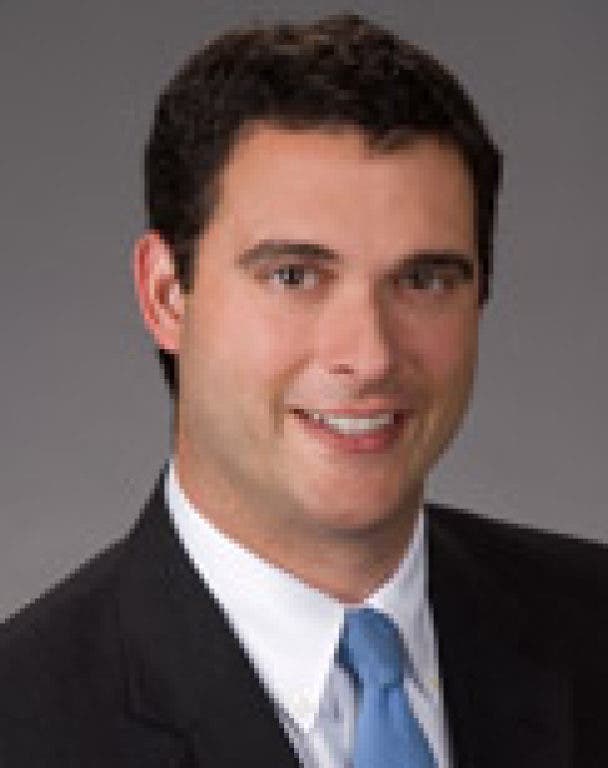
Since qualifying to run for the State Senate, many organizations have asked me to sign a “pledge.” I have respectfully declined signing each of them, even when I agree with their basic tenants. I hope you will take a moment to understand why.
Campaign pledges can be broad (e.g., never support a particular type of legislation) or specific (e.g., vote for legislation doing something particular).
Let me be clear: many good people and organizations ask me to sign pledges. Most have Georgians’ best interests at heart. But instead of letting an organization decide how I should vote when elected, I am choosing to rely on the voters in Georgia’s Sixth State Senate District.
Find out what's happening in Smyrna-Viningsfor free with the latest updates from Patch.
During my time in state government, I witnessed the negative impact of third-party campaign pledges. Often, the voter is overlooked when an elected official is presented with a vote on an issue covered by a pledge. Instead, a phone call may be made to an unelected person, sometimes in a different state, to determine which vote -- “yes” or “no” -- the pledge requires. I believe the legislator should decide whether a vote is consistent with their campaign promise, and if a call is made, it should be directly to the voters. In short, I will not allow any third party organization to stand between me and the voters of the Sixth Senate District.
Pledges also tend to force false “all or nothing” decisions that undermine the type of judgment needed daily during the legislative process. For example, we all agree that persons stealing another’s identity should be punished, so imagine that I sign a pledge to crack down on identity fraud. Presume that an anti-identity fraud bill is drafted so broadly that it could turn a college student possessing a fake ID into a felon. I would vote “no.” I do not support the use of fake IDs in college or anywhere else, but I also believe that using a false document to gain entry to a nightclub is very different from using a false document to steal someone’s credit. Nevertheless, my “no” vote would be viewed as violating my pledge, even if I voted “yes” on different legislation that addressed my concerns in the same session. Legislators should not be forced to make this type of false choice.
Find out what's happening in Smyrna-Viningsfor free with the latest updates from Patch.
In summary, my refusal to sign pledges is not a symbol of where I stand on issues. I may be completely in favor of a particular cause like ethics reform, but I will not sign a pledge about it; instead, my promise is directly to voters. I have been very transparent about where I am on issues, and I’ve even posted video of my responses to debate questions on my campaign website. I want to be held accountable by voters, not third parties, and I do not want to restrict my ability to consider bills which will ultimately benefit my constituents.