Neighbor News
Pacifier Perspective By Dr. Kyle Pruett, The Goddard School
In thirty plus years of working with infants, toddlers, preschoolers and with four children and four grandchildren pacifiers come and go!

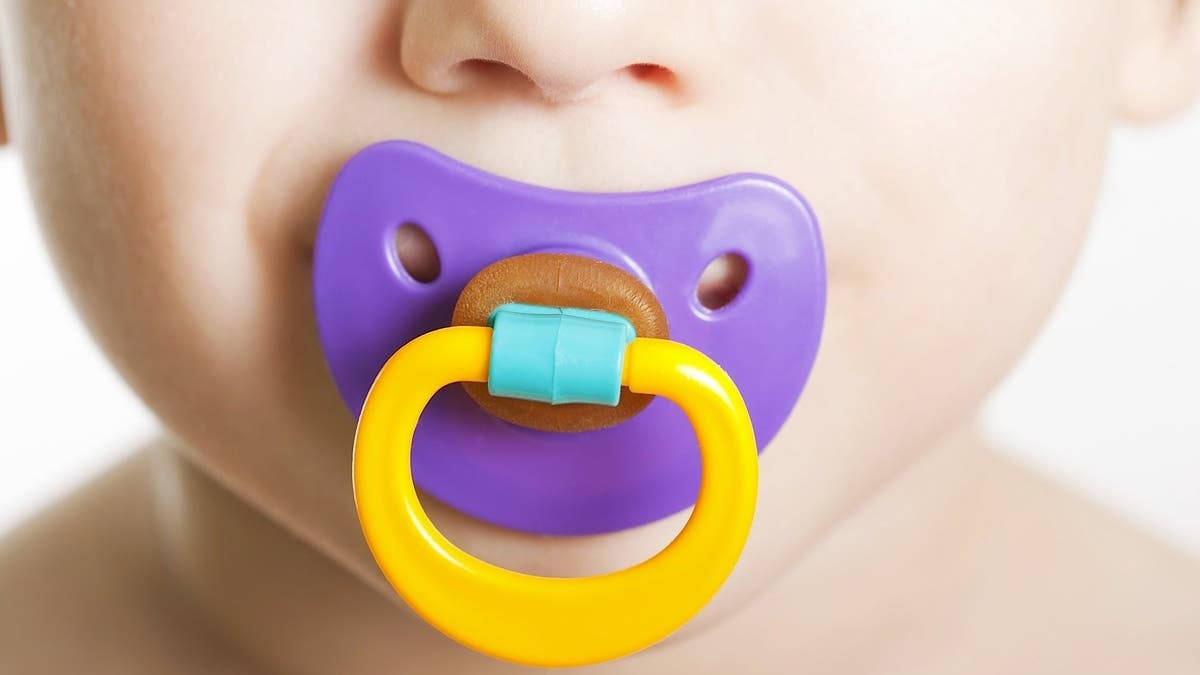
Pacifier Perspective
By Dr. Kyle Pruett, The Goddard School
In thirty plus years of working with infants, toddlers, preschoolers (and their parents) and with four children and four grandchildren of my own, I’ve seen thousands of pacifiers come and go. It can be hard to keep perspective when it’s your child who is drooling away on his pacifier. So many parents feel guilty about pacifier use as though it reveals them to be insufficient caretakers or giving in to the demands of the child. I confess readily that I, too, have searched in wee hours to find the nearest all-night convenience store, hoping against hope to find the required make/model of the ‘peacekeeper.’
So here’s the deal: pacifiers have their place. Once your infant is gaining weight and nursing reliably, a little non-nutritive sucking can be a good thing if your particular child is interested in it (most are). We’ve raised both kinds of children, so it’s worth waiting to find out if yours is interested, rather than giving a pacifier to a baby who doesn’t want it. It should be a joint decision between baby and parents. However, babies who suck at night seem to have a lower risk of SIDS and tend to sleep more regularly for a bit longer as their sleep habits mature, so it might be worth encouraging, even if your child doesn’t take to it immediately.
Find out what's happening in Snellvillefor free with the latest updates from Patch.
Trouble with pacifiers doesn’t usually start until children start to walk. They start dropping the pacifier in the most disgusting places. If they also start to talk soon after, the cork effect seems troubling to parents. One of our early talkers would remove it to fire off a few sentences and then re-plug herself so quickly we had to turn our attention away to keep from laughing.
So when should the child stop? Most pediatricians in the U.S. (standards vary globally) will encourage stopping by age two. I don’t believe that long-term pacifier use slows speech development. However, my dental colleagues have stronger science backing up their concerns that ‘extended pacifier use (heavy use beyond 20-24 months)’ leads to crossbites and open bites. When back teeth close during chewing and front teeth don’t, a child has an ‘open bite,’ which can sometimes self-correct. When the upper palate and arch narrow through extensive pacifier use, self-correction is rare and your dental co-pay will get your attention.
Find out what's happening in Snellvillefor free with the latest updates from Patch.
If you’re worried that you’re approaching or in the ‘danger-zone’ of extended use, talk to your pediatrician about strategies for weaning your child from the pacifier – you’ll need the pediatrician to support your own resolve since fatigue so regularly erodes parental judgement. Strategies can range from helpful children’s books on pacifier farewells, outright bribery (goods and services in exchange for pacifier pitching), the invocation of magical forces (pacifier fairies) or promoting the joys of giving pacifiers to babies when you are not one anymore (passing down pacifiers). The earlier you start, the easier the process, but prepare for some tears and stress. As you’ve heard in this blog before, manageable stress ending in mastery is emotional nutrition and feels really good – eventually.
Kyle D. Pruett, M.D., is an advisor for The Goddard School®. Dr. Pruett is an authority on child development who has been practicing child and family psychiatry for over twenty-five years. He is a clinical professor of child psychiatry at Yale University's Child Study Center.The Goddard School has become the first preschool program to join P21—a national organization championing 21st century skills. Through the fusion of reading, writing & arithmetic with the 4Cs—critical thinking, communication, collaboration and creativity—Goddard School graduates are well equipped and ready to succeed in school and in life.Visiting our School is a great way to see our programs in action, introduce you to our teachers and answer your questions.
The Goddard School in Snellville
EMAIL: snellvillega@goddardschools.com
Phone: 678-344-0042/ FAX: 770-985-5262
1565 Janmar RoadSnellville, GA 30078
http://www.goddardschool.com/atlanta/snellville-janmar-road-ga