Politics & Government
Will Pension Reform Shift Costs to You?
Rep. David Harris of Arlington Heights pens a piece on Reboot Illinois exploring the potential impact on local schools and community colleges.


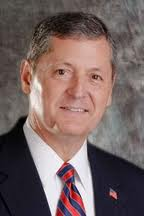
State Rep. David Harris, who reps the 53rd House District, says the idea of a "cost shift" isn't in the current pension reform proposals but his read on Speaker Mike Madigan tells him that it's a distinct possibility.
Madigan refers to the state's obligation as a "free ride" to teachers and university employees, suggesting that responsibility for pension payments made to retirees of the Teachers Retirement System (TRS) and the State Universities Retirement System (SURS), which includes universities and community colleges, might soon be placed on local school districts, universities and community colleges instead of on the state.
Writes Harris, R-Arlington Heights, in an op-ed on Reboot Illinois:
In his remarks at the Inauguration of the current 98th General Assembly, the Speaker made reference to local school districts, universities and community colleges getting a free ride when it comes to pension payments because the State picks up the cost of those payments. He made similar remarks when he recently convened a "Subject Matter Only" committee hearing on the issue. The fact that the Speaker himself chaired the hearing gives a clear indication of the importance he places on the cost shift concept.
There is a logic to the Speaker’s call for a cost shift, and it begs a question: Since teachers and university personnel never were directly employed by the State, why should the State be required to cover their pension costs? In private industry, pension costs are part of salary computation; those costs cannot be transferred to a third party for payment. So why should school districts and universities, which negotiate the salaries for their employees, be allowed to transfer to the State the pension costs which come with those salaries? The key argument against implementing a cost shift is a financial one. To shift the cost of the pension benefits on to the locals could impose a large financial burden. This argument is voiced strenuously by local school districts, and it is a valid concern.
Local school districts receive most of their funds from local property taxes. Property taxes are already at high burdensome levels, and property taxpayers do not want to have them go any higher. Being forced to cover pension costs could drive property taxes higher.
Read more of what our local rep had to say on the website of Patch's state government news partner, Reboot Illinois.
And review the bills pending before the legislature via this Reboot Illinois infographic.
Get more local news delivered straight to your inbox. Sign up for free Patch newsletters and alerts.