Neighbor News
Rising Opioid Abuse Among Bariatric Surgery Patients
There's a tie between the two most urgent healthcare crises in America today, obesity and opioid abuse.
There’s a tie between the two most urgent healthcare crises in America today, but it’s barely ever discussed, let alone problem-solved.
The number of obese Americans continues to grow at a record pace, with nearly 37%, or close to 120 million people, in this country now considered obese. It’s the second leading cause of preventable death in the United States today, with about 300,000 people dying each year from obesity-related diseases.
In contrast, of the two million Americans now dependent on opioids, just over 33,200 fatally overdose each year. That’s about about one-tenth of those dying from obesity-related causes.
Find out what's happening in Beverly-MtGreenwoodfor free with the latest updates from Patch.
But here is where it gets interesting. Bariatric surgeries are also on the rise. About 158,000 Americans had gastric bypass, lap band or gastric sleeve procedures in 2011. In just four years, that number had increased by over 24%, to 196,000 in 2015.
Alarmingly, studies now show that nearly 20% of those who had bariatric surgery are continuing to take addictive, dangerous prescription opioids seven years after having these surgeries. For those hoping to achieve long-term, meaningful weight loss, this is a sobering fact.
Find out what's happening in Beverly-MtGreenwoodfor free with the latest updates from Patch.
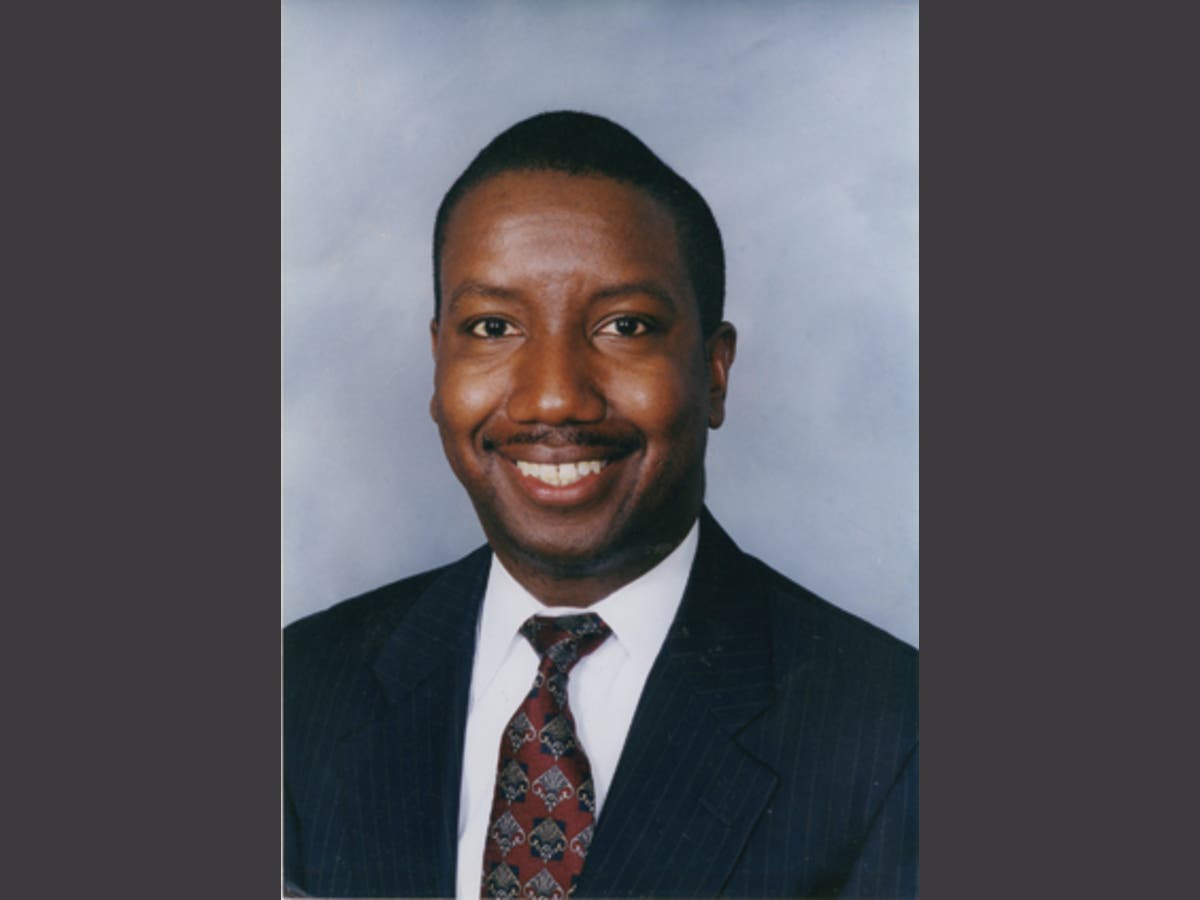
Dr. Darrien Gaston of Metropolitan Gastroenterology Consultants hopes to solve both problems by providing the non-surgical, FDA-approved Obalon Balloon to weight loss patients, completely avoiding the risk of opioid addiction while offering significant weight loss assistance.
“Opioids that cause addiction, like Percocet and Vicodin, are not prescribed with the Obalon procedure. Your body doesn’t undergo any invasive, surgical changes that may cause chronic pain. Your stomach, your eating habits and your psychological approach to food change gradually over six months to make those changes easy to maintain long term, with no painkillers needed,” says Gaston.
“Like opioids, obesity ruins lives,” Gaston says. “Obesity makes a huge impact on your mobility and causes chronic joint pain, making it difficult to travel, to walk, or even to play with your kids and grandkids. Obesity causes a glut of problems that not only negatively impact your lifestyle, but lower your life expectancy, causing certain cancers, diabetes, stroke, hypertension and heart disease.”
The fully-reversible and temporary Obalon 3-Balloon System doesn’t even require anesthesia during placement.
Gaston says, “The perfect candidate has a BMI of 30 to 40, is over 22 years of age, and meets a few other health criteria.” During a complimentary consultation, Dr. Gaston will perform a physical exam, ask about weight loss history and determine if the patient will have success with the procedure.
“Patients swallow a capsule attached to a thin tube,” says Gaston. “After the capsule settles in the stomach, I inflate it. The inflated balloon is about the size of a small orange and weighs less than a penny, filling space in the stomach without a heavy feeling. Within 2-3 months, a second and third balloon can be added.”
According to research, patients who included three balloons in their weight loss plan lost more than four times the weight as those with two balloons. Gaston noted that the balloons remain in place for a maximum of six months, while a patient’s body and mind gradually adjust to smaller portions and better exercise.
Most patients resume normal activities almost immediately after balloon placement, and continue normal activities throughout the 6 month placement period.
“I monitor your progress monthly,” says Gaston, “and provide guidance about nutrition and exercise programs. Patients are fully supported to get all the help needed to make a permanent health change.”
At the end of six months, the balloons will be deflated and removed endoscopically. Because Gaston is the only area gastroenterologist offering the Obalon procedure, he is the only Chicagoland physician that can follow through from balloon placement through weight loss to removal.
Because Obalon is offering a $1,500 “Don’t Weight” New Year Challenge, Gaston recommends making an immediate complimentary consultation. “If a patient decides to use the Obalon Balloon System, Obalon will issue a $500 rebate on the procedure immediately. When a patient loses 25 pounds or more, another $500 rebate is issued. When a patient lose 40 pounds or more, yet another $500 rebate if issued.
“When a patient loses over 40 pounds, they receive a total of $1,500 back,” says Gaston. Obalon is honoring the offer for any patients who have the procedure before December 31, 2017.
Gaston is widely recognized for his dedication to providing the highest level of medicine, earning the Joint Commission Gold Seal of Approval®. Besides treating patients with Obalon, he offers SlimSmart Orbera and the AspireAssist procedures to help weight loss efforts. He also performs colonoscopies and treats a wider variety of illnesses and diseases of the digestive system.
Gaston notes, “Helping to alleviate the obesity crisis while not contributing to the opioid crisis is important for not only an individual patient’s health, but for the health and safety of our entire community.”