Politics & Government
Smoke from Minnesota Wildfire Triggers Air Quality Alert in Bolingbrook
People with respiratory conditions are advised to stay indoors.


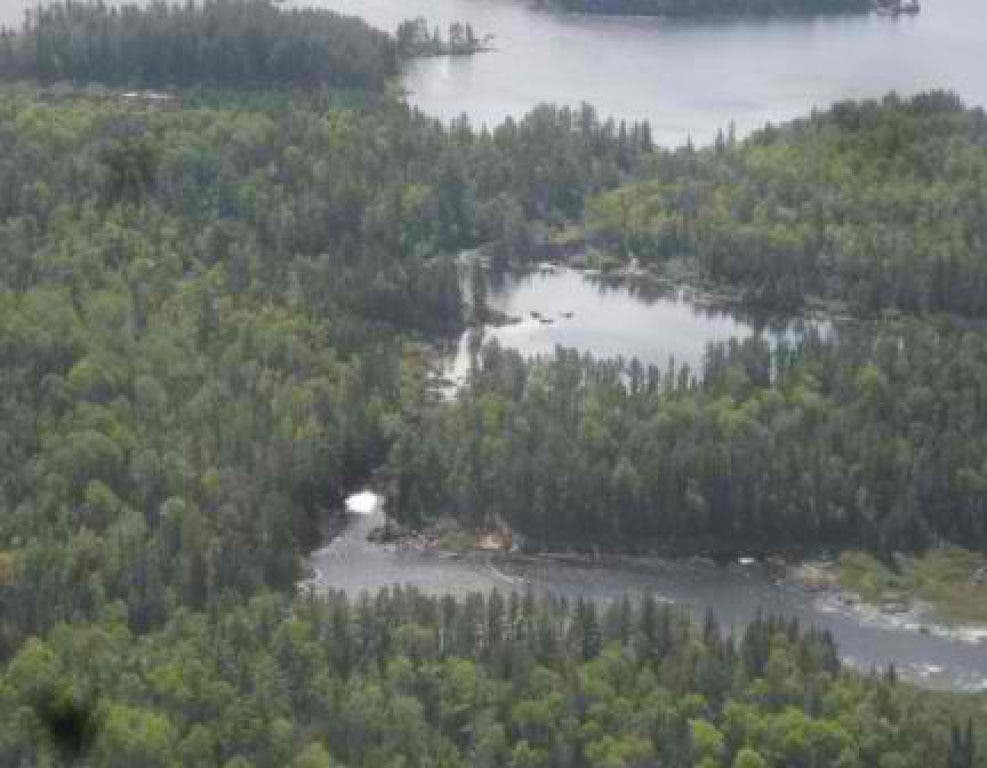
Smoke from the prompted the U.S. EPA to issue an orange air quality alert Wednesday for the whole Chicago-area, including .
Though the wildfires themselves are more than 400 miles from village borders, they’ve created higher-than-normal levels of fine particulate matter in the air, the EPA said.
An orange alert means the air is unhealthy for sensitive groups, which include people with respiratory or pulmonary problems, in addition to active adults and children.
Find out what's happening in Bolingbrookfor free with the latest updates from Patch.
The smoke, which drifted into the area Tuesday, is expected to stick around through at least the rest of the day, the EPA said. The agency will extend the alert if the air doesn’t clear up Wednesday.
The 100,000-acre fire began Aug. 18 in the Boundary Waters Canoe Area Wilderness in northeast Minnesota as a result of a lightning strike, according to InciWeb.org, which is tracking the fire. As of Wednesday morning, the fire had spread about one mile beyond the border of the BWCAW.
Find out what's happening in Bolingbrookfor free with the latest updates from Patch.
The EPA offered these tips for breathing easy amid the smoke:
- Use common sense. If it looks smoky outside, it's probably not a good time to mow the lawn or go for a run. And it's probably not a good time for your children to play outdoors.
- If you are advised to stay indoors, take steps to keep indoor air as clean as possible. Keep your windows and doors closed.
- Run your air conditioner, if you have one. Keep the fresh air intake closed and the filter clean to prevent bringing additional smoke inside.
- Help keep particle levels inside lower. When smoke levels are high, try to avoid using anything that burns, such as wood fireplaces, gas logs, gas stoves - and even candles. Avoid vacuuming as it stirs up particles already inside your home. Do not smoke, as it puts more pollution in your lungs, and in the lungs of people around you. If you have asthma or other lung disease, make sure you follow your doctor's directions about taking your medicines and following your asthma management plan. Call your doctor if your symptoms worsen.
For additional information on smoke from forest fires, visit www.airnow.gov. For other ways to reduce contributions to air pollution, visit www.cleantheair.org.
Source: U.S. EPA
Get more local news delivered straight to your inbox. Sign up for free Patch newsletters and alerts.