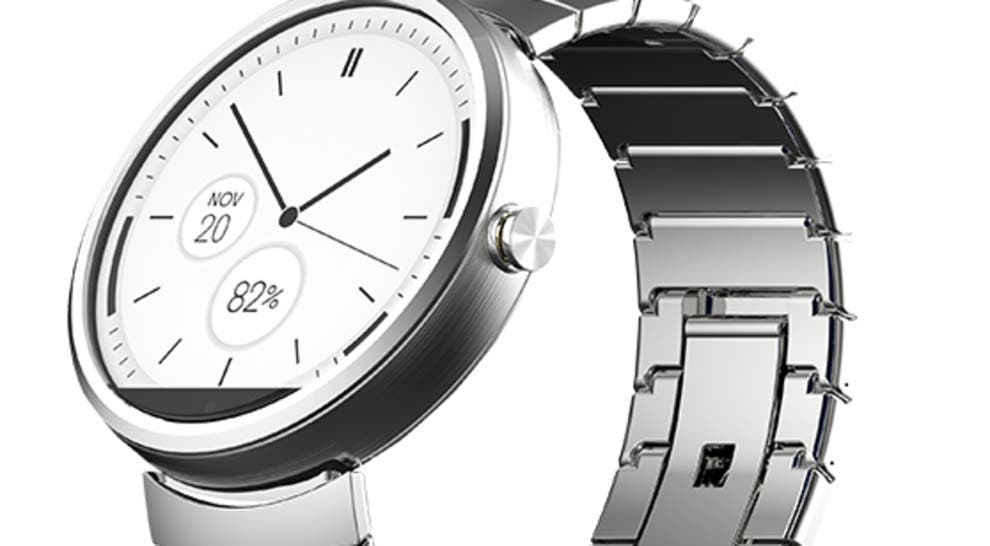
The human race has always had an inherent fascination with time. We’ve invented all sorts of ways to keep track of it: wrist watches and pocket watches, mechanical watches and electronic watches, circular, ovular, square. The list goes on and one.
So smartwatches are set to become the mainstay of the timekeeping industry.
Obliviously, with the current production costs and technological limitations, smartwatches are merely a niche market for all the tech nerds of the world. But the advantages they provide over the watch of today are too important to be ignored. They provide easy access to information - even easier than the rapidly saturating smartphone market. All the big electronics companies know this. Be it Samsung, LG, Apple, or Motorola, they all are willing to invest millions - and billions - to make sure they lead this new market segment. However, there are some clear things to iron out for any would be industry king.
1. Battery
The greatest weakness (aside from cost) that prevents smartwatches from gaining traction is the cost. Quartz watch batteries last at least 2-3 years, or even 4-6 depending on the type of second hand mechanism used. No smartwatches currently last more than one day. I don’t actually think any companies need to invent a watch that lasts quite that long because consumers have become conditioned to overnight charging for electronics. Given that a key benefit of smartwatches is that they can connect to smartphones, it’s most likely customers will just charge both devices before bed every night. A simply way to circumvent this issue with current technology standards is replaceable batteries. A simple “twist and unlock” mechanism for the back plate of a watch would allow for easy access; smartwatches could come with an extra battery that could use the charging cradle alongside the watch. Otherwise, in my opinion, the threshold for fringe customers is at least a few days of battery life. Most consumers would have peace of mind knowing they are guaranteed an entire day’s use no matter what. So they’d be willing to buy it and charge it every day. Speaking of buying...
Find out what's happening in Buffalo Grovefor free with the latest updates from Patch.
2. Cost
This is the easiest thing to solve. As the industry gains traction, mass production will automatically cut costs down. However, costs could easily be cut for companies if they adopt a standard base. Samsung’s standard “throw everything and see what sticks” approach might not look to good in an uncharted market, especially in light of it’s poor earnings calls last quarter. If it simply decided on a circular watch, or a square watch, it only has to spend on slight variations for processors, batteries, screen material, and band material.
Find out what's happening in Buffalo Grovefor free with the latest updates from Patch.
3. Accessories
Another easy reason so many companies are eager to join in. As Apple has tried to push to consumers, one of the biggest advantages of a smart watch is its customizability. You can choose metal and leather, and rubber and ceramic ( Ok, Ok not the last two - yet) …. the list goes on and one. As a result, this is an easy money maker. Any company that figures out the best combination of bands wins.
4. Form Factor
This is logistically the easiest factor. In reality though, it’s the hardest. It’s a matter of balancing beauty and logistics. But in the end, this is the key.