Politics & Government
Burr Ridge Boasts On Taxes Miss Context
Officials highlight low tax levy, but they don't give the whole story.


BURR RIDGE, IL – It's a bit of a ritual at Burr Ridge Village Board meetings during tax levy discussions.
Burr Ridge Mayor Gary Grasso asks a staffer to bring up the projection of the dollar bill showing where residents' tax money goes. Then he points to the fact that the village only accounts for 2 percent.
Most of the bill pays for schools.
Find out what's happening in Burr Ridgefor free with the latest updates from Patch.
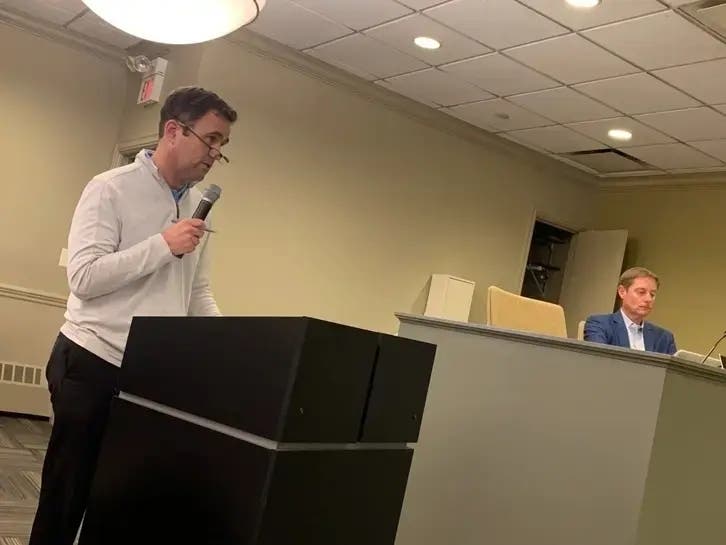
"When people say taxes are too high, they're not talking about the village of Burr Ridge portion of the bill," the mayor told the board Monday. "It's another reason why we say Burr Ridge is a very special place. It's because of the great work of the board and staff."
Trustee Guy Franzese joined in. He pointed to the village's services such as police, snow removal, road maintenance, infrastructure, pathways and events.
Find out what's happening in Burr Ridgefor free with the latest updates from Patch.
For a $10,000 tax bill, he said, the village's portion is $200.
"That's fantastic value," Franzese said.
What was missing from the discussion was context.
Because western suburbs such as Burr Ridge are wealthy, their school districts heavily rely on property taxes. More than 90 percent of their money comes from local sources. Poorer districts, by contrast, get a lot more money from the state.
Municipalities have more sources of money than schools.
In 2021, Burr Ridge reported $9.7 million in income. Only 13 percent of the village's money came from property taxes.
The other sources include sales taxes (28 percent), utility taxes (18 percent), state income taxes (17 percent) and state gas taxes (7 percent). A variety of other taxes and fees make up the rest.
To be sure, Burr Ridge's portion of the tax bill is low. But Darien isn't far behind, at 4 percent. In Elmhurst, it's 7 percent, which includes the fire department.
Hinsdale is also at 7 percent of the tax bill. And it runs fire and parks departments, unlike Burr Ridge.
Even with the missing context, arguments such as Grasso's and Franzese's are seemingly effective. That's because property taxes are more personal to residents. They see the totals.
Sales taxes, by contrast, are spread out over time in smaller amounts. It's harder for taxpayers to track those costs than their property taxes.
When Illinois raises its income tax, taxpayers direct their anger at the state, not the municipalities that benefit.
Get more local news delivered straight to your inbox. Sign up for free Patch newsletters and alerts.