Community Corner
Five Common Myths About Contracts
Local attorney Danya Shakfeh busts common myths about contracts and what you can do to protect yourself.

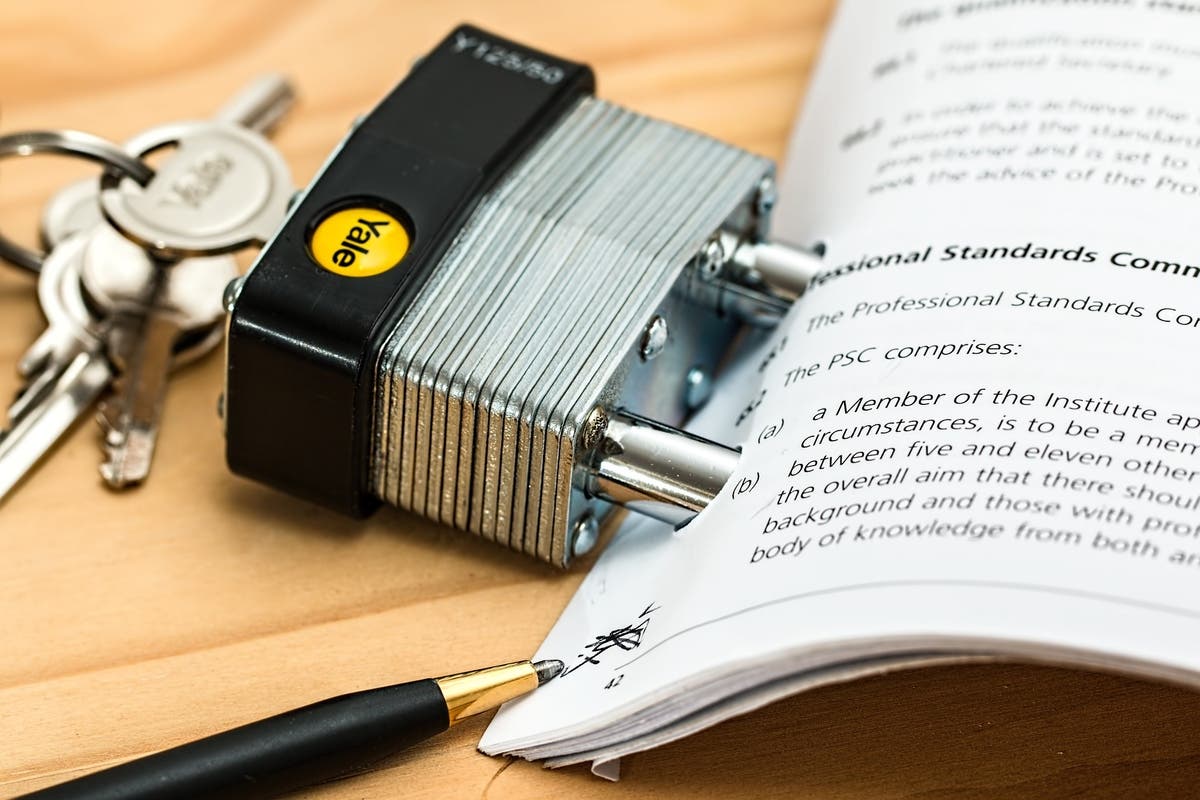
As the kids are heading back to school and summer is winding down, you might be considering remodeling your home before winter hits. This means dealing with contractors and (yep, you guessed it) – contracts. Accordingly, it would be best to arm yourself with knowledge of contracts to protect yourself, your home, and your sanity. The following advice applies to most business-to-consumer contracts generally, so even if you are not remodeling, you’ll learn some important tools about contracts.
First, it’s important to understand exactly what a contract is. A contract is an agreement between parties that involves the exchange of services or goods. However, there are a lot of misconceptions around contracts. So here I am, your local expert attorney, to clear up those misconceptions.
Myth #1: A Contract Must Be In Writing
Find out what's happening in Burr Ridgefor free with the latest updates from Patch.
Generally speaking, oral contracts are valid (there are some exclusions such as real estate contracts). The only real issue with oral contracts is the ability to prove them, but that is a separate issue as to a contract's enforceability. Even a combination of words and actions can create a contract. Even if it is determined that a contract does not exist, there are other remedies a party can pursue. So, before anyone tells you your contract is not signed or certain terms were agreed to orally, you can arm yourself with the knowledge that this is simply not true. Take that, shady contractor. However, be aware that the statute of limitations for enforcing oral contracts is five years versus ten years for written contracts.
Myth #2: There Are Certain “Standard” Terms
Find out what's happening in Burr Ridgefor free with the latest updates from Patch.
I’ve seen this happen countless times: a contractor (or other business) will present a customer with a contract and say something like “this is just standard language.” I’ve seen consumers mistakenly assume this line means 1) the contract clause is meaningless or 2) that the consumer is required to sign it and the term is not negotiable. It is true that there are “boilerplate” clauses, but know that they absolutely can bind you. So ask questions, and know that you do not have to sign an agreement you do not feel comfortable with. So, if a business seems like it just wants you to sign off because something is just “standard,” my advice is: Stop, pause, and ask. And if you have the bargaining power, negotiate. If you do not and the clause seems unfair, consider walking away and shop elsewhere, or contact an attorney who can negotiate on your behalf.

Myth #3: If You Signed a Contract, You Can’t Challenge It
For the most part, if you agree to contract terms, you will likely be bound to them. But there are terms that, even when the parties agree to them, courts will not uphold those terms. One commonly used clause is the “no-oral-modification” clause which requires that modification of contracts be in writing. I constantly have to advise clients to avoid this false sense of security and be aware that their words, or even sometimes their actions, can bind them to a contract, even when a contract states that only written modifications are binding. In a contractor context, consumers have certain rights that can not be waived or, if waived, must be done in a certain manner or use a certain language or format. In the employment context, employers can not contract their way out of employee’s rights such as minimum wage. So, if you think you are stuck in a contract, it may be worth consulting with an attorney to explore all of your options.
Myth #4: How is a Contract Ultimately Enforced? (Ok, Not Technically a Myth...)
I have many clients who, in a contract situation, ask what their remedies are to enforce their contract rights or what would happen if they ignore threats of following the contract. My answer is: you have to go to court. Ultimately, the only way you can compel a party to do anything such as reimburse you for their poorly done job or damages to your home (or anything) is you need a court order or judgment. As such, a contract is only as good as it can be enforced and that is why it is important to have a sound contract.
Myth #5: Without a Contract, There is No Remedy
This is something consumers should be very aware of. Sometimes the parties end up not signing or even orally agreeing to a contract for a variety of reasons. Even more complicated, sometimes one party believes an agreement was reached while the other party does not believe there was an agreement. This is a common issue when a consumer consults with a service provider and there may be some minor or preliminary work done but prior to a contract being signed. Consumers may ultimately decide to not go with the services leaving contractors with losses by way of time and potentially materials spent on what they thought was a done deal. The contractors slap the consumers with a bill to recover for their time and the consumers are surprised because they believed that they were still “consulting.” Consumers must be aware that contractors or other service providers could potentially cover losses, depending on the specifics of the situation. As a rule of thumb, consumers should ask contractors to be very clear as to when “consulting” ends and “providing services” begins. Also, before asking or expecting anything of a service provider, the consumer should ask what the cost of the contractor’s services will be.
And there you have it: Contracts in the Real World 101. Now, go out there and build your dream kitchen!

Danya Shakfeh is an attorney based in Oak Brook, Illinois. Her practice focuses on contracts, business law, and business and civil litigation. She has published several legal articles and conducts legal seminars for legal consumers. You can learn more about her practice by visiting ShakfehLaw.com. You can call her office to (630) 517-5529 or email her to dshakfeh@shakfehlaw.com.