Health & Fitness
How to Help Kids Deal with Grief During Halloween
Halloween can be a lot of fun but this pretend, temporal idea of death can be confusing for children trying to understand loss.

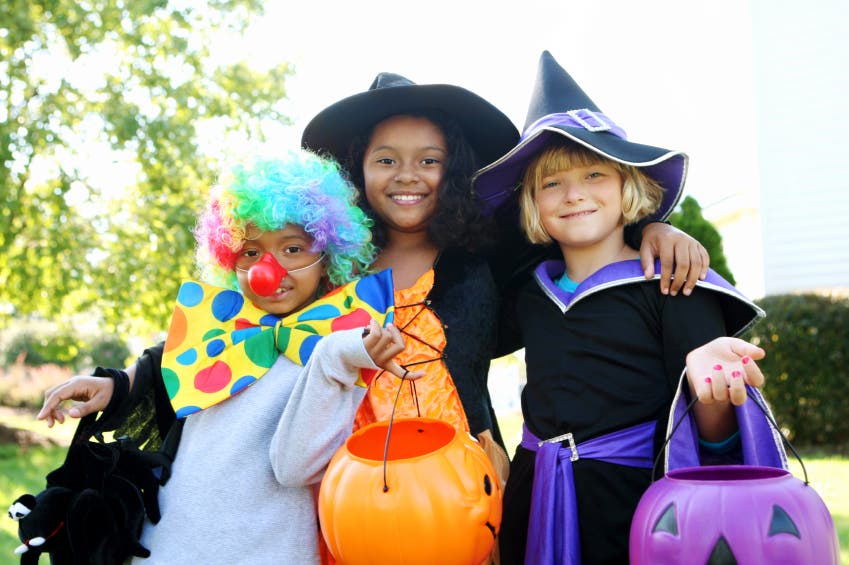
With kids dressed in white sheets as ghosts, silly-looking goblins and dancing zombies Halloween can make death seem comical or cartoonish. Though it can be a lot of fun this pretend, temporal idea of death can be confusing for children, especially a child who is trying to understand the loss of a loved one.
Abstract concepts and the finality of death can be hard for a preschool and middle-school child to understand, especially around Halloween when death may be perceived as a means for ‘fun’ or just a trick.
But, Halloween isn’t the only way our culture sends mixed messages to our kids. For instance, video games characters typically have more lives after defeat or self-destruction. Immortality is often a characteristic of superheroes in cartoons and movies as well.
Find out what's happening in Burr Ridgefor free with the latest updates from Patch.
Children typically don’t truly understand that death is irreversible, with a personal dimension, until sometime between the middle-school years and adolescence. During this time, children and teens often also reflect on their family’s faith tradition for guidance regarding a framework or philosophy for the meaning of life and rituals for honoring and memorializing the deceased.
When talking to kids about death and grief approach them at their level of comprehension, as children develop at different rates and have unique ways of expressing themselves. For preschoolers or young school-age children, explanations need to be brief, simple and concrete, with familiar examples such as a flower that no longer blooms or a pet that no longer breathes or eats or runs.
Find out what's happening in Burr Ridgefor free with the latest updates from Patch.
It’s critical for children to know that death is not a taboo subject that is avoided; but one that is ‘talk-about-able.’ Parents and caregivers to be open and honest about their own grief. Children are very perceptive. They know if an adult is keeping something from them and it can make them feel unsafe. They may even feel they have done something wrong or that this pain is their fault. Balance is so important when it comes to talking to kids about grief. We have to create an environment where they feel free to ask questions and express their fears, but also assess what they can safely comprehend and process.
Parents should watch for signs that a child might be distressed. If so it’s important to talk to a pediatrician about a referral to a pediatric psychiatry expert for an evaluation, especially if a child’s normal routine has not resumed six months after the death of a significant attachment figure. These include:
• Regression in activities of daily living (e.g, bedwetting)
• Difficulty separating from parents
• Trouble sleeping (e.g., nightmares)
• Guilt
• Anger
• Irritability
• Withdrawing
• Depression
• Physical aggression