Neighbor News
When Nature Attacks
Getting outside and enjoying the last days of summer is great but can lead to bug bites and rashes.

As summer nears an end families are enjoying some outdoor time which can mean exposure to poison ivy, oak and sumac. These are plants in the environment that can cause an itchy red rash with bumps or blisters. The blisters can drain clear fluid but is not considered contagious. The rash typically begins on an area of contact with the plant’s sap oil but can rapidly spread to other body parts.
For children, common treatments to remove the plant oils and reduce itching include:
• Washing affected skin with soap and water thoroughly
• Applying wet compresses, calamine lotion or hydrocortisone cream to the skin
• Soaking in an oatmeal bath
• Taking an antihistamine such as benadryl
If there are more severe symptoms such as swelling or difficulty breathing, call 911 or go to an emergency department.
Find out what's happening in Burr Ridgefor free with the latest updates from Patch.
Good tips for poison ivy/oak prevention include:
• Avoidance of known poisonous plants (“Leaves of three, let it be” can help you remember to avoid poison ivy and oak plants)
• Wear protective clothing around such plants (long sleeves and pants)
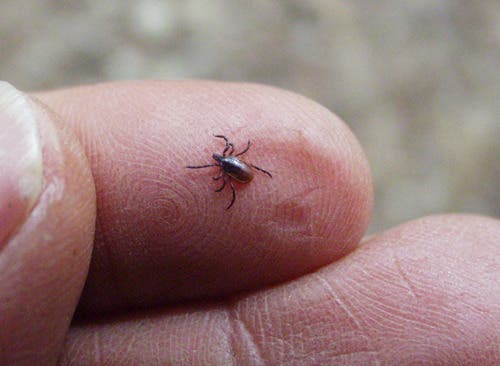
Tick bites in children are another common problem experienced in summertime in the Midwest. Ticks are commonly found in wooded and grassy areas. Summer activities such as camping and hiking are common ways people come intact with ticks.
Find out what's happening in Burr Ridgefor free with the latest updates from Patch.
There are different types of ticks. Tiny black-brown ticks called Deer ticks can carry and transmit Lyme disease. Lyme disease is a bacterial infection that can cause fever, rash, fatigue, headache and joint pains. Fortunately, the majority of tick bites are harmless and do not cause any disease.
If a tick remains attached to your child’s skin, it should be promptly removed. To remove a tick, you can use:
• Fine tipped tweezers at home as follows: first, grasp the tick as close to the skin as possible with the tweezers. Then, slowly pull the tick away from the skin. Once the tick has been removed, cleanse the area with rubbing alcohol.
• Your doctor may have a special tick removal device such as a Tick Key or Ticked Off plastic device.
• Techniques such as covering ticks with petroleum jelly, nail polish or rubbing alcohol do not work well and should be avoided.
You should contact your child’s doctor if:
• You are unable to remove a tick
• Fever or bull’s-eye rash develop following a tick bite
• Bite area develops signs of infection such as redness, pain, swelling or drainage
Good tick bite prevention includes:
• Wearing insect repellant such as DEET
• Wearing hats, long sleeves, pants and socks when in wooded and grassy areas
• Removing leaf litter and mowing tall grass and brush
• Checking for ticks on the body after being in a wooded or grassy area
• Take extra precautions when traveling to an area known to have Lyme Disease