Schools
JJC's Annual Plot Day Addresses Future Of Farming
Speakers focused on protecting soil quality and weed control.

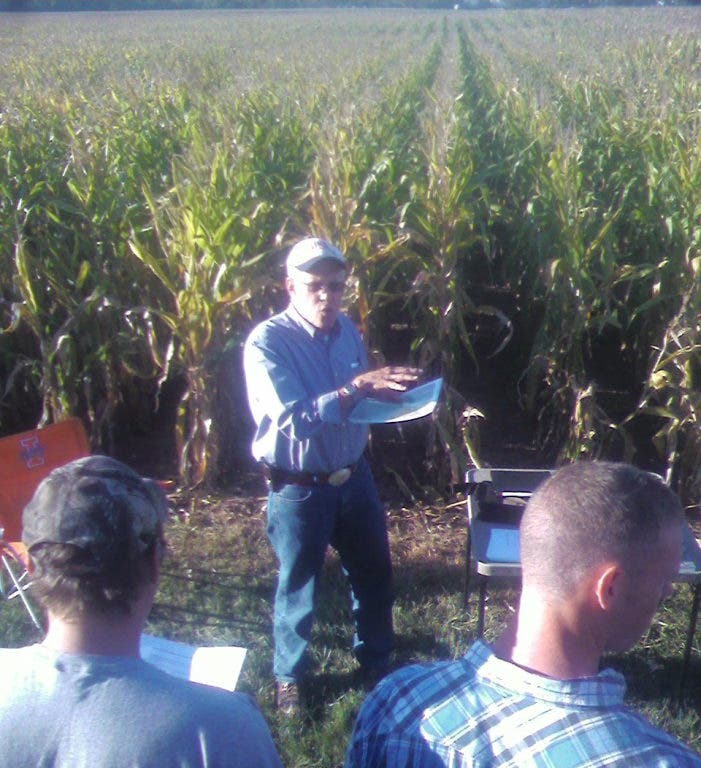

The Joliet Junior College agriculture program is widely recognized as one of the best in the area. The school hosted its annual plot day Wednesday, focusing on the future of farming.
"We are the only independent research and demonstration farm in northeast Illinois, that is for certain," said Ag Professor Bill Johnson.
One of the highlights included discussion about cover crops. University of Illinois Extension Educator Russ Higgins and retiree Jim Morrison presented research.
Find out what's happening in Channahon-Minookafor free with the latest updates from Patch.
This is a process not very popular in our area, but has proven effective elsewhere, Johnson said. The purpose is to preserve overall soil quality.
Depending on the existing crop, a secondary planting, known as a cover crop, can take place either before or after harvest. The secondary crop is designed to take hold through winter, helping to maintain desired soil properties and minimize erosion.
Find out what's happening in Channahon-Minookafor free with the latest updates from Patch.
In the case of wheat, the cover crop is planted after harvest. With corn, for example, a cover crop is flown in and planted before harvest.
Another highlight was the discussion of Roundup resistance. Roundup is a widely-used herbicide produced by Monsanto. In many cases, farmers use Roundup as their only herbicide. The growing increase of resistance to it is proving costly to the ag community as a whole.
Doug Maxwell, a principal research specialist in agriculture at the University of Illinois discussed how weeds are becoming resistant to different modes of action.
A third highlight of the event was Jim Nelson's discussion on the Soybean Yield Challenge. Nelson, who is from the Illinois Soybean Association, discussed who the challenge allows schools and businesses grow higher yield beans.
"We (at JJC) are one of the institutions participating," Johnson said.
JJC has 100 acres at the main campus that is used at the land lab. The Soybean Yield Challenge is conducted amid the 32 acres at the college's Weitendorf Ag Education Center on Laraway Road across from the race track.
The land lab gives JJC students hands-on experience in the field that they wouldn't ordinarily get to do. Compared to the University of Illinois, JJC has more applied research than proactive research, Johnson explained. However, Johnson does not believe other area schools provide the opportunities that JJC offers.
Get more local news delivered straight to your inbox. Sign up for free Patch newsletters and alerts.