Politics & Government
$630M Soldier Field Renovation Project Possible With Or Without Bears: Chicago Park District
A confidential report highlights the stadium's projected $62.9 million gross revenue for the city and park district in 2026.


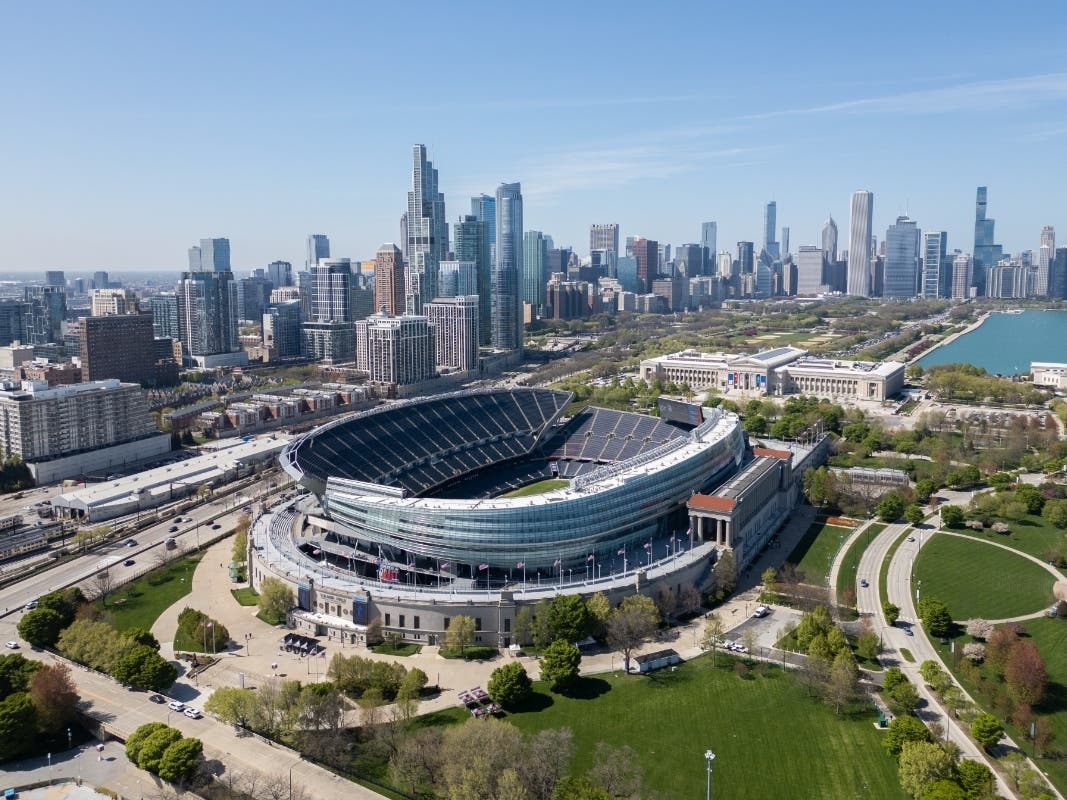
CHICAGO — As Illinois and Indiana continue to court the Chicago Bears in hopes the NFL team will eventually choose sites in their respective states to build a new stadium, the Chicago Park District is busy figuring out what to do with the one the team currently plays in.
According to a confidential draft report of a renovation proposal officials have shared with Patch, the park district recognizes that Soldier Field remains a "critical revenue engine" for the City of Chicago and the Chicago Park District. The stadium is projected to generate $62.9 million in gross revenue for the fiscal year 2026.
With that, whether the Bears stay or go, officials are proposing an upgrade of the stadium and the surrounding area to turn it into a year-round event space. As reported by CBS Chicago, the price tag for a renovation would be around $630 million, including $130 million for a stadium upgrade and $500 million in infrastructure work around Soldier Field, according to estimates from the park district.
Find out what's happening in Chicagofor free with the latest updates from Patch.
"We believe the Bears belong in Chicago and want the team to continue to thrive here," the Chicago Park District said in a statement regarding the report. "At the same time, as stewards of public land and public resources, our responsibility is to ensure that Chicago's lakefront stadium continues to serve as a strong public asset that supports park programming and maintenance across the city, vital public services, and the broader tourism economy anchored by the Museum Campus."
RELATED: Bears 1 Step Closer To Moving To Indiana As Bill Paves Way For New Stadium
Find out what's happening in Chicagofor free with the latest updates from Patch.
Soldier Field, built in 1924, is currently the NFL's oldest and smallest stadium with a football game capacity of 61,500 fans. In 2001, it went underwent a 20-month renovation intended to modernize the stadium at a cost of $606 million.
The Bears, who began playing at Soldier Field after leaving Wrigley Field in 1971, have a lease there through 2033.
As its largest non-tax revenue source, officials say this fiduciary responsibility guides the Chicago Park District’s stewardship of the lakefront stadium and surrounding public assets. Its projected net operating revenue is $26.6 million, funds that directly support park operations and programming across the city.
Described in the report as a "year-round asset" as it hosts hundreds of events annually, officials say the revenue generated by Soldier Field is essential for maintaining and enhancing park services throughout Chicago. The financial analysis underscores the stadium's importance beyond its role as a sports venue, positioning it as a fundamental component of the city's public park system funding.
In terms of sporting events, Soldier Field currently hosts two preseason and eight regular season home games for the Bears. Last month, the team played postseason games in the NFL's wild card and divisional rounds at the stadium.
While the future at Soldier Field remains up in the air for the Bears, another professional team that utilizes the stadium has decided it will be leaving soon. Chicago Fire FC, who play 17 Major League Soccer regular season games at Soldier Field, are building a $750 million privately funded stadium project in the South Loop. The 22,000-seat, soccer-specific stadium breaks ground next month. Team officials tell Patch the team's new home will be open in time for the 2028 Major League Soccer season.
RELATED: Chicago Fire FC Gives Fans A Look At Future $750M Downtown Stadium Project
The park district said 80 percent of Soldier Field's revenue actually comes from non-NFL events such as major concerts, international sporting events, and large civic gatherings. The stadium hosts hundreds of events each year that create jobs, attract visitors, and drive economic activity for Chicago’s hospitality, cultural, and tourism sectors.
"The Chicago Park District remains committed to the long-term success of Chicago's lakefront stadium and the Museum Campus as a year-round economic engine that supports affordable and free park programs citywide, helps reduce reliance on property tax revenues, and sustains Chicago’s position as a global destination for major events, sports, and culture," the park district said in the statement.
Get more local news delivered straight to your inbox. Sign up for free Patch newsletters and alerts.