Politics & Government
Illinois Creates Sexual Harassment Hotline
Callers to the hotline can report allegations confidentially and receive referrals for legal help and counseling.


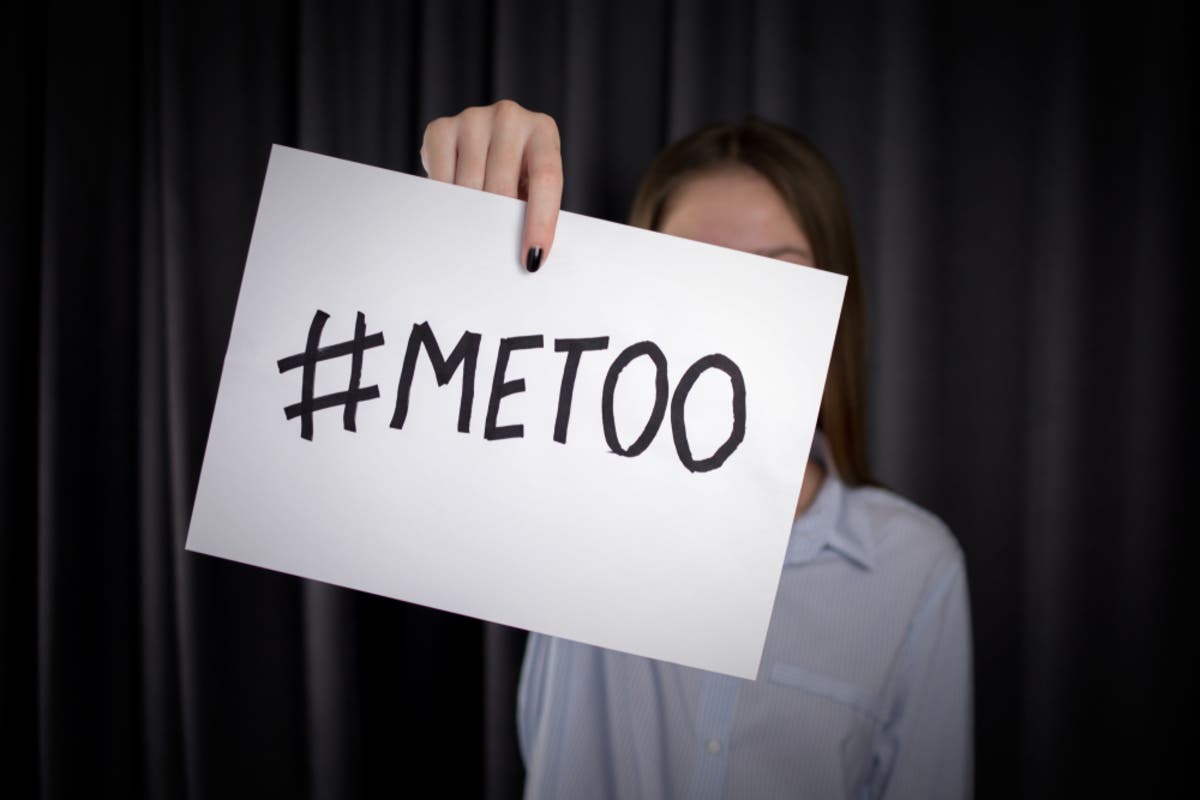
CHICAGO — A new hotline has been created to allow for callers to report confidential allegations of sexual harassment in their workplace, in both the public and private sector. The toll-free hotline, and a website that goes along with it, offers information and help to the public, the Illinois Department of Human Rights announced Friday.
Callers can get referrals to counseling and legal services for people to be aware of resources available and options for reporting harassment, such as filing a charge of discrimination.
"This hotline will allow for a more centralized process for the public to find necessary resources and assistance in the filing of sexual harassment complaints," said IDHR Acting Director Janice Glenn.
Find out what's happening in Chicagofor free with the latest updates from Patch.
The hotline is being operated with the help of the Chicago Lighthouse on the Near West Side, which provides job opportunities to the disabled and veterans community, where staff have been specially trained to help people reporting harassment, according to a news release.
"I am proud to establish this partnership with The Chicago Lighthouse to provide essential information to those who are facing sexual harassment," Glenn said.
Find out what's happening in Chicagofor free with the latest updates from Patch.
"Through this service, our agency can better enforce laws that protect Illinois residents and prevent acts of sexual harassment."
All communications with the hotline and website are confidential and exempt from disclosure under state law, according to the IDPH.
The Sexual Harassment Hotline Call Center can be reached Monday through Friday between the hours of 8:30 a.m. and 5 p.m. at 877-236-7703.
Definition of Sexual Harassment under the Illinois Human Rights Act:
The Illinois Human Rights Act protects Illinois employees, tenants, students and others from sexual harassment.
In employment, sexual harassment is any unwelcome sexual advances, requests for sexual favors, or any conduct of a sexual nature when:
- submission to such conduct is either explicitly or implicitly made a term or condition of employment, and submission to or rejection of the conduct is used as a basis for making decisions about your employment; or
- such conduct interferes with your job performance or creates an intimidating, hostile, or offensive working environment.
In education, sexual harassment is any unwelcome sexual advances or requests for sexual favors made to a student by an executive, administrative staff or faculty member, or any conduct of a sexual nature that substantially interferes with the student’s educational performance or creates an intimidating, hostile, or offensive educational environment.
In public accommodations, sexual harassment is any unwelcome sexual advances or requests for sexual favors made by a place of public accommodation, such as persons who own or work at hotels, restaurants/bars, stores and gyms. Public officials are also considered places of public accommodation.
In housing, sexual harassment is any unwelcome sexual advances or requests for sexual favors made by a landlord, property owner, housing provider, manager or staff, that results in a housing environment which is intimidating, hostile, offensive or significantly less desirable.
Retaliation for complaining about sexual harassment is also prohibited by the Illinois Human Rights Act. Retaliation is conduct intended to deter or dissuade a person from making a complaint or filing a report of sexual harassment, or participating in an investigation conducted by the Illinois Department of Human Rights or other similar agency.
» via IDHR
Get more local news delivered straight to your inbox. Sign up for free Patch newsletters and alerts.