Politics & Government
O'Shea Blasts Proposed Strip Club Ordinance
Alderman Matt O'Shea tells Chicago residents not to fall for proposed ordinance that would allow topless clubs to sell booze.


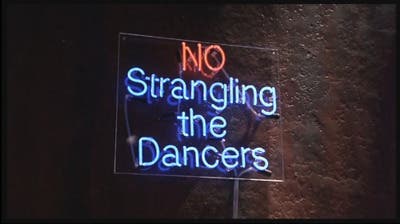
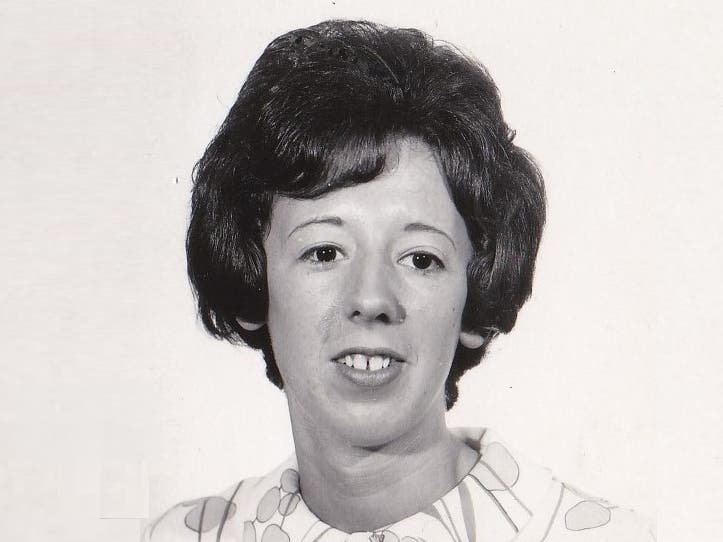
Ald. Matt O’Shea (19th) is blasting colleague Ald. Emma Mitts’ (37th) proposed ordinance that would allow city strip clubs that feature fully nude or topless dancers to sell liquor or allow patrons to BYOB.
In turn, these adult entertainment emporiums would kick in some proceeds for sexual assault or domestic violence programs. Such a measure, Mitts proclaims, would make Chicago “a more world-class city.” She also purports that her proposed ordinance would bring more regulation to the city’s strip clubs.
Presently, only clubs that feature partially nude dancers -- thongs, pasties, see-through lingerie -- are allowed to sell booze. The Chicago City Council may vote on the ordinance this Wednesday.
Find out what's happening in Chicagofor free with the latest updates from Patch.
In a strongly worded statement posted on his Facebook page, O’Shea told constituents that allowing such an ordinance to pass would only create more problems, not solve them.
“Is the adult entertainment industry in Chicago failing and therefore in need of this intervention to remain competitive,” O’Shea asks. “There is certainly no evidence to suggest this is the case; during the last sixteen years, not one legal strip club has gone out of business in Chicago.”
Find out what's happening in Chicagofor free with the latest updates from Patch.
O’Shea has been a vocal advocate on behalf domestic and sexual abuse victims, sponsoring legislation. One of the 19th Ward’s high schools, Chicago High School for the Agricultural Sciences, was the first in the city to screen the film “The Hunting Ground,” to junior and senior female students, who then participated in a panel discussion about sexual assault on college campuses.
The Chicago Sun-Times’ editorial board has also expressed a similar opinion, recalling the days when more than a dozen alcohol-serving strip clubs ruled Rush Street in the 1970s, attracting crime and prostitution. Those clubs were eventually shut down by the city in an anti-prostitution crackdown.
The alderman tells Chicagoans "not to fall" for the perceived financial benefits of the measure, suggesting that it would contribute to root causes of sexual assault and violence toward women in the sex trade industry.
"[A] Center for Impact Research study on women involved in the sex trade in Chicago found that exotic dancers are subjected to 'a great deal of violence, including being threatened with a weapon or threatened with rape.' We should not respond to such problems by relaxing the few restrictions currently placed on these businesses. Wouldn’t the more responsible action be strengthening regulations?"
O'Shea, along with Kristie Paskvan of Chicago Says No More, has a similarly worded letter published in Tuesday's op-ed section of the Chicago Tribune.
Get more local news delivered straight to your inbox. Sign up for free Patch newsletters and alerts.