Health & Fitness
The Problem With Grass
The futile and mundane tasks of life may be pointing to a sometimes hidden belief that what we do matters to God.
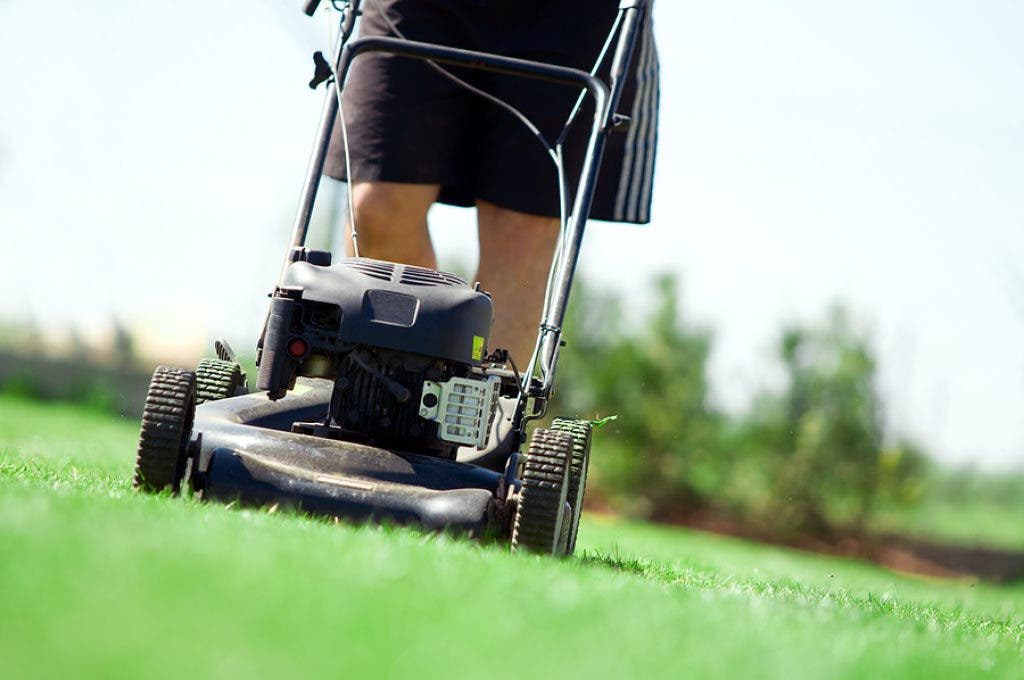
It is always somewhat emasculating to discover that my wife has cut the grass at our house.
I mean, my grandfather would have scolded me soundly for not doing it myself. Some of my friends would scoff at my declaration of masculinity in the way that good friends do when given the opportunity. I even caught my neighbor, who is a friend, doing a part of my backyard once.
When that happens then you really have to get on top of the whole yard maintenance thing. If word gets out on the street that you don’t take care of your yard, well, what possible credibility in any area of life could you possibly have?
Find out what's happening in Chicago Heightsfor free with the latest updates from Patch.
I am not really a lazy person. It simply isn’t within my capacity to care about my grass. The only reason I do anything for my grass is because, in my mind, it is somehow inextricably linked to questions of my adulthood, manhood and work ethic. If it weren’t for this arguably absurd neurosis I would never mow the lawn.
I would instead grow the only meadow on the block.
Find out what's happening in Chicago Heightsfor free with the latest updates from Patch.
Yes, a meadow. A place where deer come to frolic. A place where wolves and coyotes hide in thick foliage. A place where the breeze makes the tall grass ripple and wave like water in the ocean. It would be a wild place. A meadow would be my declaration of revolution against a normally sedentary and predictable way of life.
I would then light a funeral pyre for the lawnmower and dance around it like a barbarian. Imagine what the Patch police blotter would read then; “Homewood minister arrested as neighbors look on in horror.”
As frivolous and dumb as this little fantasy sounds I know I am not hitting afar from some common sentiments many people have–some of the most routine tasks in life seem hideously pointless.
Why? Because the problem with grass is that it always grows back.
This leads to some other important questions about life. For instance, why take the time to put the toothpaste back at night when you know the very first thing you’ll do in the morning is take it back out? Why attempt to clean my boys’ room when it will all too quickly descend back into its more normal state of chaos? Why pray for the world and its tragedies when we will always create new ones once the old have been resolved?
Is it simply an aspect of human nature to fight the forces of entropy in a valiant albeit losing effort?
It would be trite to answer this question with a little allegory about throwing starfish back into the ocean. The answer isn’t about cause and effect really, at least not to my way of thinking. I think we almost innately believe in our capacity to beat the odds. The state lottery would be bankrupt otherwise.
These exercises which look futile betray our belief in another variable. Perhaps at levels many might like to dispute, we believe that God takes those things we do and makes them grow and bear fruit.
There is logic I’ve not examined for our tasks that might seem futile. We mow the grass to raise property value, to keep the peace of the neighborhood, or perhaps we simply relish the beauty of a carefully manicured lawn. And yet, for each answer to these examples of seemingly futile exercise there are ten more examples to question.
If aliens visited our planet and strategically examined the residents of Flossmoor, Homewood and Chicago Heights I think they would have trouble finding answers for all that we do that acceptably match mere cause and effect. They would come to the conclusion that there is another variable that motivates our behavior.
I submit to you that this variable is a belief in God, and that we care to please Him and emulate His virtues.
So, as I drag my Yardman out of the shed for yet another futile circuit around my potential meadow I take solace that such futility demonstrates the beauty of faith. It also ensures my membership in the fraternity of masculinity isn’t revoked.