Health & Fitness
Prescription Drug Abuse And The Elderly
How do you know if an elderly loved one is suffering from prescription drug addiction?
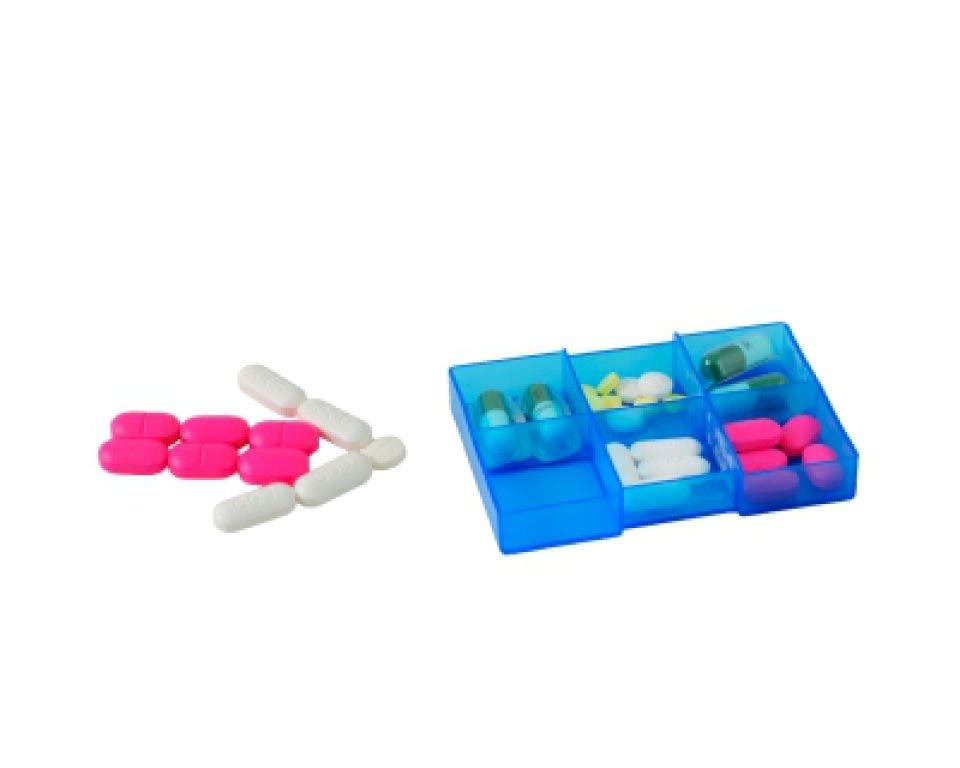
Prescription drug abuse is an addiction that knows no age. While thought to be a problem primarily associated with young adults, prescription drug problems are quite prevalent among senior citizens in all areas of the U.S. including the greater Chicago area.
Approximately 13% of the population in the U.S. is age 65 or older, but that age group uses approximately one third of prescribed medications. In addition, Johns Hopkins reports that senior citizens are the most likely age group to be prescribed potentially addictive medications.
The U.S. Substance Abuse and Mental Health Services Administration reports that 10% of individuals that started treatment for a drug problem in 2005 were 50 or older. It's been projected that 2.7 million individuals over the age of 50 will have some type of drug addiction by the year 2020.
Find out what's happening in Crystal Lake-Caryfor free with the latest updates from Patch.
Factors in Elderly Addiction
Aside from being prescribed more addictive medications, older bodies are naturally more susceptible to addiction. Because of decreased liver function as a natural result of aging, even a small dose is enough to become addicted. The side effects can be more likely to cause serious bodily harm as well.
Find out what's happening in Crystal Lake-Caryfor free with the latest updates from Patch.
The elderly's mental state can also play a role. Many in this age bracket face periods of loss, whether a spouse, friend or family member, causing depression. In addition, as independence is in jeopardy, the elderly often seek pills as a solution to help maintain an independent lifestyle as much as possible. Some medications can do just that, but this approach becomes problematic if they turn to drugs that have a high probability of addiction.
Types of Addictive Medications
One of the most common addictive medications is benzodiazepine, which is used in the treatment of anxiety and insomnia, two common ailments among the elderly. These drugs slow brain activity and influence the central nervous system. Xanax and Valium are two common drugs that fall into this category. The National Institute of Drug Abuse typically advises that these drugs be taken regularly for no more than four months, though it is common for prolonged use to take place due to a doctor's compliance with a patient's request for more. Individuals should be slowly weaned off of this type of medication in order for the body to fully adjust.
Opioids, like Oxy Contin and Vicodin, are also highly addictive and common drugs. They produce a euphoric state in the brain due to reduction of pain. Addiction is possible, though they are acceptable when used to treat legitimate and painful conditions. Overdose, however, is extremely dangerous and can slow or even stop breathing.
What to Look For
Detecting drug addiction in the elderly is sometimes difficult because common aspects of aging, like increased irritability or forgetfulness, can be a sign of a drug abuse problem as well. Other things to look for include sudden increased pill intake, sneaky behavior involving prescriptions, unwillingness to talk about medications and secret stashes of pills. In addition, individuals who have exhibited addictive behavior in the past, such as alcoholism, should be closely monitored.
Prevention and Treatment
Helping to monitor an elderly individual's medication is an important key to avoiding drug abuse. Using an online pharmacy option like mygofer.com, which is available in Chicago and the surrounding areas, will help keep track of medication orders. Helping to distribute the medication into a weekly pill keeper will also keep the drug use in check. Most importantly, if any drug abuse is suspected, it's important to talk the individual or a doctor about the problem and the potential treatment steps. In advanced situations, time at a treatment facility may be required.


