Health & Fitness
When Will Flu Season End In IL?: Public Health Officials Sound Off
If you have not gotten your flu vaccine, state public health officials are urging you to do so as Illinois could see another surge in cases.


While it may feel like spring with the warmer temperatures, public health officials in Illinois are warning residents that we are not out of the woods, yet, when it comes to the winter flu season.
After getting through a surge in flu and respiratory illnesses following the holiday season, patients admitted to hospital across the state with flu, COVID-19 and RSV have been steadily declining.
And while cases of the flu are surging in other parts of the country, including in some neighboring states, the most recent public health data in Illinois shows moderate flu and RSV activity — with RSV cases trending up and flu cases trending down — and a moderate level for COVID-19 cases, which are also trending down.
Find out what's happening in Crystal Lake-Caryfor free with the latest updates from Patch.
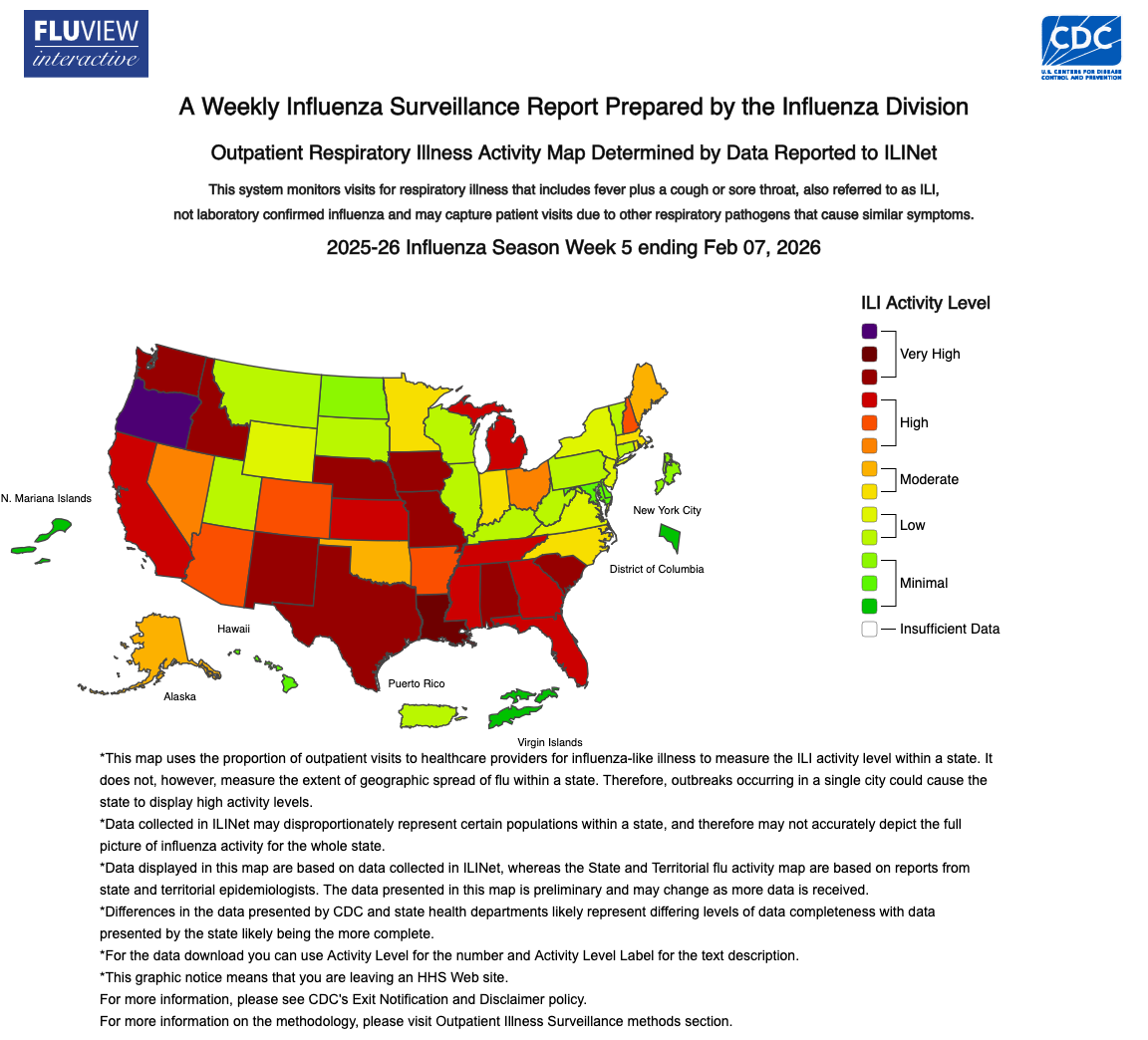
That's good news, for now. But state public health officials warn it may not last for long.
"Due to the elevated case levels in other parts of the country, and since the respiratory illness season often sees a 'second wave,' a spike in cases is possible in the coming weeks and as we head into spring," said Jim Leach, public information officer for the Illinois Department of Public Health.
"It is too early to predict the end of the respiratory illness season; we often get a second wave, especially of flu, which can extend into early spring," Leach said. "Additionally, flu activity is significantly high across certain parts of the country and internationally, which has implications for people who may be exposed to respiratory viruses during travel."
With that in mind, health officials are urging residents to take precautions to avoid contracting the flu and other respiratory illnesses.
Find out what's happening in Crystal Lake-Caryfor free with the latest updates from Patch.
"It is still important for people to get vaccinated if they have not done so already, as the flu and RSV seasons are expected to continue into spring, and COVID has not established a similar seasonal pattern and can spike in the summer," Leach said.
The surge in respiratory illnesses this past winter, and, in particular, the spike in flu cases, is directly correlated to lower vaccination rates in Illinois, Taylor Heald-Sargent, an associate professor at Northwestern University who specializes in the cold and flu, vaccines, and pediatric illnesses, told Capital News Illinois.
“We’ve definitely seen just overall vaccination rates decreasing for years,” Heald-Sargent said. “We just keep trying to remind people that vaccines are safe and effective, and they’ve been well studied. And if you look back over the past century and a half, some of the biggest gains in modern medicine have been because of vaccines.”
In early January, the Illinois Department of Public Health urged residents to take precautions against the spread of influenza and other seasonal respiratory illnesses as rates continued to climb across the
state.
“Illinois is facing a significant winter surge in seasonal respiratory illnesses with flu activity at very high levels,” said IDPH Director Dr. Sameer Vohra. “Vaccinations remain the most effective tool to prevent severe illness from flu, COVID-19, and RSV."
For the week ending on Feb. 7, which is the most recently released data from the IDPH, 13.1 percent of patients visiting hospital emergency rooms across the state were treated for respiratory illnesses, which included influenza, COVID-19 and RSV. These numbers have been steadily decreasing since the post-holiday spike in late December — which has seen the highest number of ER visits in Illinois for the past couple years — when 21.5 % of patients admitted to the ER were treated for respiratory illness.
- Flu Cases Surging, Respiratory Illness 'Very High' In Illinois
- 1st Pediatric Death Of Flu Season Reported In IL: IDPH
According to IDPH’s Illinois Vaccination Coverage Dashboards, 21.9% of Illinoisans have received their flu shot this season, while only 6.8% have received COVID-19 immunization. You can speak to your medical provider, pharmacist or local health department to get information on how you can
obtain vaccines for yourself and others. You can also find out more about vaccine availability in your area via the state’s vaccine locator dashboard.
While anyone can potentially become seriously ill from seasonal respiratory illnesses, the most susceptible are the very young, very old, pregnant individuals, and those who are immuno-compromised or have other underlying health conditions, health officials said.
IDPH recommends the following steps to reduce your risk of contracting or spreading seasonal respiratory illness:
- Get immunized. With flu season usually peaking between December and February, and lasting until May, it’s not too late to get your flu shot and other immunizations, such as for COVID-19 and RSV (for those who are eligible). For more information on respiratory illness vaccines, view IDPH’s immunization guidelines.
- Wash your hands frequently with soap and water - it is one of the most effective ways to reduce spread of illness. Alcohol-based hand sanitizers are also effective if soap and water are not available.
- Stay home when you are ill, if able, and wear a mask if not.
- Cover coughs and sneezes. Wearing a mask when ill will further help prevent viral spread. An N95 or comparable mask offers the best protection.
- Minimize close contact with sick people.
- Antiviral treatments can minimize symptoms and speed up recovery when started quickly after symptoms emerge. Antiviral treatments for flu are most effective when given within 48 hours of starting to feel illFor COVID-19, treatment must be started within 5 to 7 days after symptoms appear. Older adults, young children and those who are pregnant or have certain underlying conditions are at risk for complications and should contact a healthcare provider to be assessed for the need for treatment as soon as possible.
You can learn more about infectious respiratory illnesses and best practices to prevent their spread on the IDPH website at Infectious Respiratory Disease.
Get more local news delivered straight to your inbox. Sign up for free Patch newsletters and alerts.