Schools
A Hinsdale Central-South Disparity? Panel Fails To Figure It Out
An official explained why the district cannot gauge the opportunity gap. South residents have long complained of a disparity.


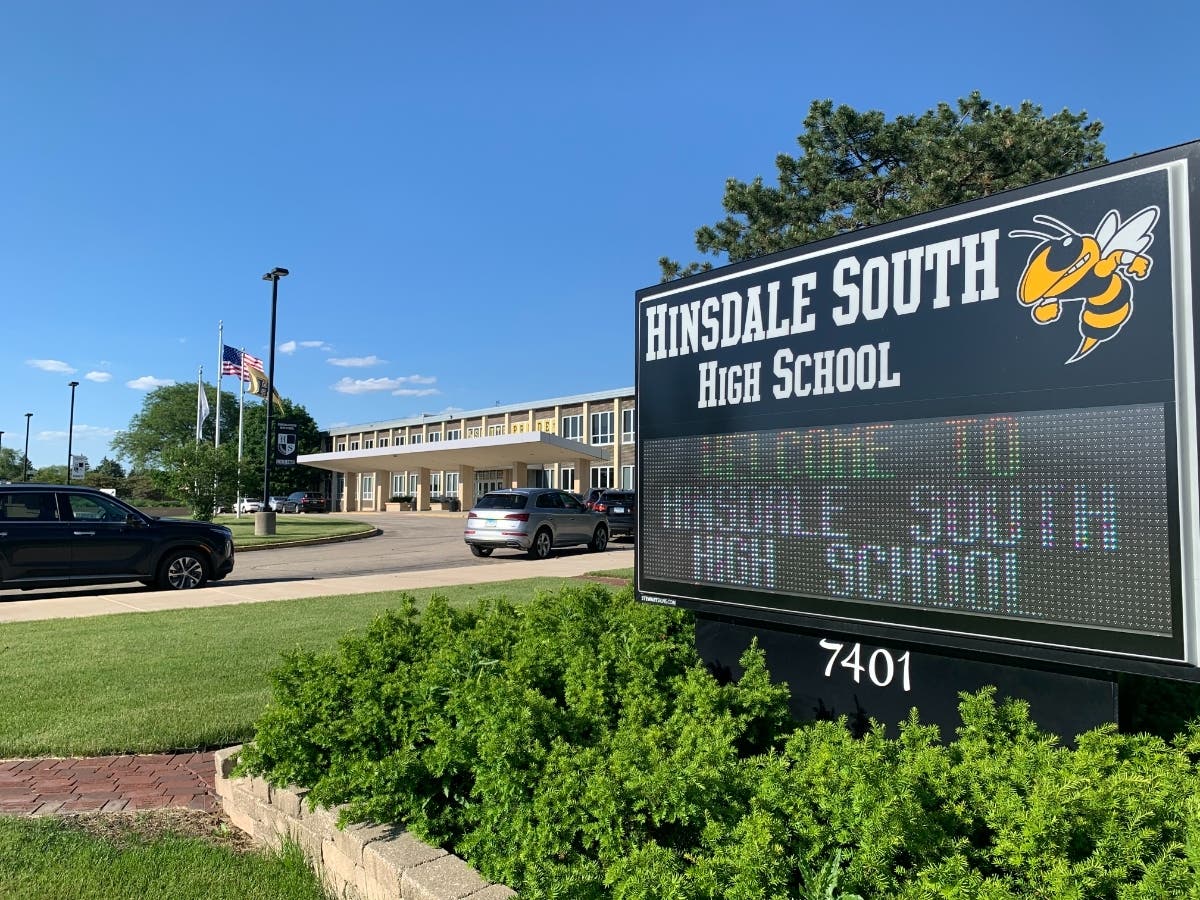
DARIEN, IL – A committee tasked with gauging the disparity in course opportunities at Hinsdale South and Central high schools has failed to achieve its goal, an official said Thursday.
South parents have long complained that the larger Central, with its wealthier student body, has enjoyed greater opportunities.
With half of Central's enrollment, South offers fewer classes in many subjects, which is blamed for what many see as greater scheduling conflicts.
Find out what's happening in Darienfor free with the latest updates from Patch.
At a school board meeting, member Bobby Fischer, the committee's chairman, said after 16 months, his panel found the school district's numbers were imperfect.
"Unfortunately, even after this committee, we can't speak confidently about course denials, when kids are denied a course," Fischer said. "It's a messy topic."
Find out what's happening in Darienfor free with the latest updates from Patch.
He explained what the committee sees as the reason behind the failure.
"Students are allowed to sign up for more classes than they can take," he said. "It's a way for students to say, 'I don't care which elective I get. I just want to get one of these three electives.'"
When faced with these situations, guidance counselors and others find solutions, with students getting the classes they want, Fischer said.
The district, he said, could set a cap on how many courses students sign up for, but that would reduce students' flexibility.
Fischer also said solving the problem would mean many costly changes to computer systems.
"I, as one board member, am not convinced that's a good use of the district's money," he said.
It's a topic for the administration to consider, he said.
"They may decide that course denials is the one statistic to spend $200,000 on," he said. "We all wish we had better data."
Fischer warned against administrators producing statistics by looking at each case to determine whether a denial occurred.
"We can't send manipulated data to the community," he said.
He noted that is what happened last year. That was when the administration appeared to claim the Central-South disparity was nearly solved.
Fischer recommended that his panel, officially called the Availability and Opportunities Committee, be disbanded.
The board's president, Catherine Greenspon, suggested that Superintendent Chip Pettit, who started earlier this month, and his team develop recommendations on the best way to proceed.
Get more local news delivered straight to your inbox. Sign up for free Patch newsletters and alerts.