Neighbor News
The Schiller Kessler Group
The Schiller Kessler Group's findings highlight the need for enforcement strategies and that focus on specific holidays and hours.

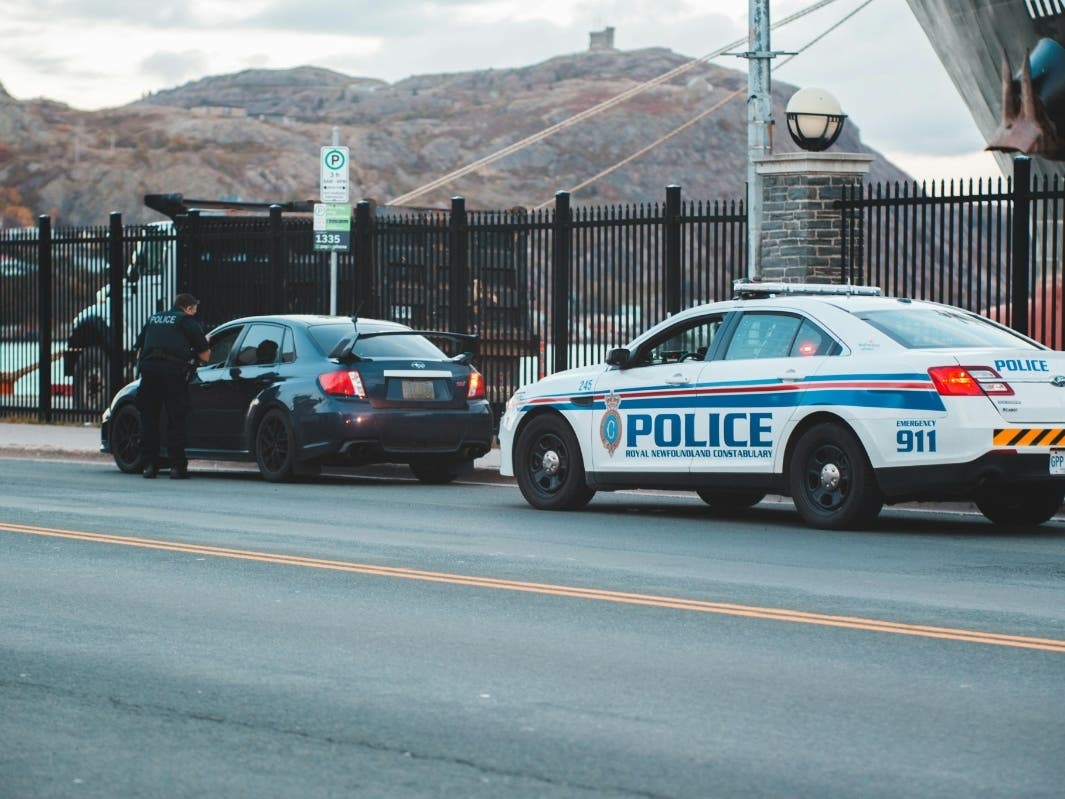
A new study from The Schiller Kessler Group analyzed federal crash data from 2019–2023 to identify which U.S. holidays record the highest rates of drunk-driving fatalities. The analysis separates overall crash volume from the percentage of crashes involving alcohol, revealing which holidays are most dominated by impairment rather than traffic alone.
Key Findings
- New Year’s, Independence Day, Labor Day, Memorial Day, and Thanksgiving consistently rank as the holidays with the highest DUI fatality rates.
- New Year’s and July 4th lead in the percentage of fatal crashes involving alcohol, not just total deaths.
- Summer holidays combine alcohol use, late-night driving, and long-distance travel, sharply increasing fatality risk.
Persistent Search Spikes Mirror Fatality Rankings
Search behavior closely tracks these fatality patterns. Queries for “DUI fatalities,” “drunk driving deaths,” and “holiday DUI crash” surge predictably around the same five holidays every year.
Find out what's happening in Downers Grovefor free with the latest updates from Patch.
- The summer trio (Memorial Day, July 4th, Labor Day) has seen a 15% year-over-year increase in DUI-related search volume.
- New Year’s generates the highest annual volume of “DUI arrest” and “sobriety checkpoint” searches, reflecting heightened public awareness of enforcement.
This consistency suggests that the public already recognizes these holidays as dangerous, yet fatality numbers remain stubbornly high.
The “Morning After” Search Lag
Search timing reveals a clear lag between when crashes occur and when public attention peaks:
Find out what's happening in Downers Grovefor free with the latest updates from Patch.
- Holiday evening: Searches for “sobriety checkpoints” and “Uber surge pricing” peak between 8:00 PM and 11:00 PM.
- Morning after: Searches for “DUI fatalities yesterday” and “holiday crash news” spike between 7:00 AM and 10:00 AM.
For multi-day holidays like Thanksgiving, the highest “fatality news” search volume often occurs on Friday morning, following heavy drinking on Wednesday and Thursday nights.
Enforcement Perception Gaps
Despite high fatality rates, search data shows that perceived enforcement varies by holiday:
- New Year’s produces the strongest checkpoint-related searches, suggesting high deterrence awareness.
- Summer holidays, particularly July 4th, show lower checkpoint search volume despite higher DUI fatality rates.
This gap suggests that drivers may perceive summer holidays as socially permissive rather than enforcement-heavy, even though impairment risk is elevated.
Late-Night Driving as a Risk Signal
Searches for “dangerous hours to drive” and “late night driving” spike most sharply on the top-ranking DUI holidays, aligning with the 12:00 AM–3:00 AM window when fatal crashes are most likely.
At the same time, hotel and overnight accommodation searches increase during these periods, indicating that some drivers actively seek to avoid late-night travel when risk awareness is high.
Why This Matters
The same holidays appear at the top of DUI fatality rankings year after year. This consistency underscores that holiday drunk-driving deaths are not random or unavoidable events, but the result of well-understood behavioral and timing factors.