Politics & Government
Elmhurst Cops Told They Can Do Nothing About Violators Of Order
Patch obtains the memos given to police department supervisors about pandemic enforcement.


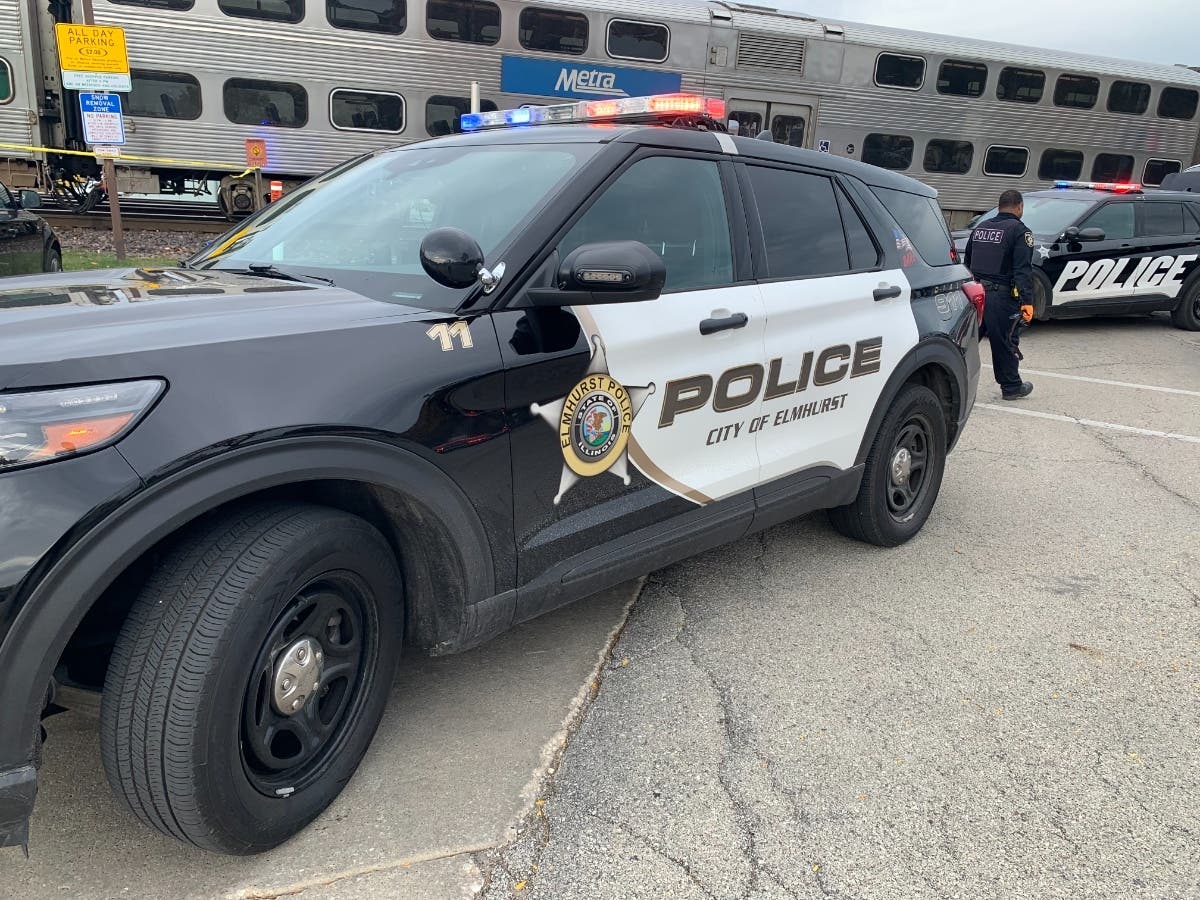
ELMHURST, IL — The guidance given to Elmhurst police officers throughout the pandemic has largely stayed the same about business violators of the governor's order: In short, there's nothing they can do about it.
Through a public records request, Elmhurst Patch has obtained memos to police department supervisors on March 27 and Oct. 23 on how officers should handle potential violators.
One big difference between the memos is that the first one indicates the DuPage County State's Attorney's Office, which prosecutes crimes, may become involved in obtaining court orders in stopping businesses from violating the governor's order.
Find out what's happening in Elmhurstfor free with the latest updates from Patch.
The second one, however, does not mention the state's attorney. It only says the county's health department can seek court orders through civil court, as opposed to criminal court.
In the March 27 memo, Elmhurst Deputy Police Chief Michael McLean told supervisors that if officers were called about violations, they should seek voluntary compliance by speaking with owners.
Find out what's happening in Elmhurstfor free with the latest updates from Patch.
"No formal enforcement without further consultation at this time," McLean said. "We have received legal guidance that formal business enforcement would require State's Attorney involvement with a court order."
According to the March memo, Erin Jason, the city's business development coordinator, asked the police to coordinate with her on follow-up on any citizen complaints that the police receive about local businesses violating the order. Jason was not mentioned in the second memo.
In March, McLean asked supervisors to forward him any emails about any "bona fide" allegations of violations.
In the Oct. 23 memo, McLean was more explicit about the police department's lack of power on business violations.
"As we saw earlier this year, there are no criminal statutes to enforce against persons who are in violation of these regulations," he said. "Therefore, we will not be taking any direct enforcement action against people, businesses or organizations that may be in violation."
He said the DuPage County State's Attorney's Office has advised police that only the county health department may bring complaints in civil court to obtain orders.
"Further, as the regulations are state health codes, not criminal statutes, our officers will not assist any outside agency in the direct enforcement of these regulations in our jurisdiction, nor will we interfere," McLean said.
When officers are called about potential business violations, officers are asked to provide education and encourage people to follow the governor's order.
If officers encounter an incident they feel is a serious public health concern related to the regulations, McLean said, they should complete a police report documenting the issue.
If officers have filed any such reports, none of them have appeared in the police department's biweekly media reports, which are more detailed than most towns.
When the governor issued his first order banning indoor dining in the spring, Elmhurst police were called to places in violation. Examples were a fitness center that was at least twice in violation as well as a restaurant and a small store.
Elmhurst's guidance to police officers is similar to what other towns are saying.
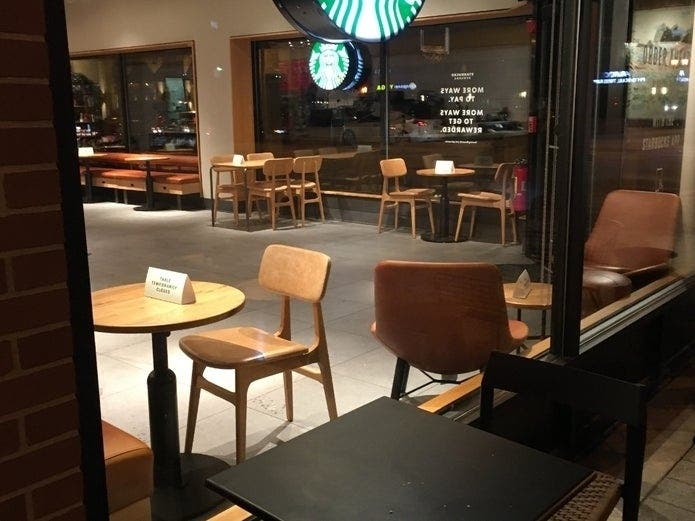
During a spot check two weeks ago, Elmhurst Patch found four restaurants offering indoor dining in violation of the governor's order. That was in addition to Primos Locos, which publicly announced it would continue such service. Most other eateries are following the order.
Get more local news delivered straight to your inbox. Sign up for free Patch newsletters and alerts.