Schools
Under Pressure, D-205 Board Unveils Closed Session Minutes
Attorney general found Elmhurst district illegally closed its doors for meeting.


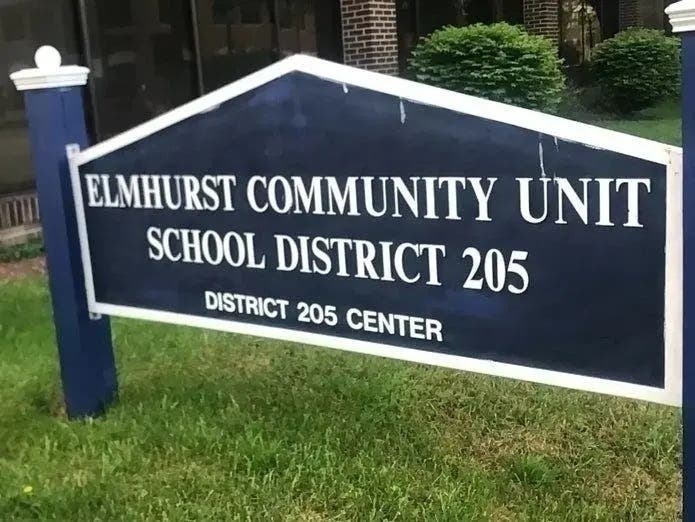
ELMHURST, IL — The Elmhurst school board voted last week to release the minutes and recording from a 2019 meeting in which the attorney general found that the board broke the law in closing its doors.
The bare-bones minutes are now available online. And Patch requested the recording of the session through a public records request. The closed discussion was over District 205's differences with the Elmhurst city government.
At last week's meeting, the board voted to release the minutes and recording as part of a package of unrelated items. Members gave the public no explanation why they closed the meeting in the first place or why they reversed course.
Find out what's happening in Elmhurstfor free with the latest updates from Patch.
Just weeks before, the attorney general determined that the board illegally closed its doors in the April 23, 2019, meeting. Under the state's open meetings law, most business must be conducted in public, with a few exceptions.
This is the second time in three years that the attorney general found the board violated the Open Meetings Act. In both instances, the attorney general was prompted by complaints filed by Edgar Pal, a citizen watchdog who lived in Elmhurst but later moved to Chicago.
Find out what's happening in Elmhurstfor free with the latest updates from Patch.
In the other case, Pal submitted a complaint after the board discussed an administrative reorganization behind closed doors. While the board can discuss specific employees in closed session, it must address general personnel issues in the open.
After the attorney general decided in Pal's favor in that case, the district refused to release the minutes and recording. So Pal sued the district. In late 2019, the district settled with Pal, giving him what he wanted and agreeing to pay his legal bills, which amounted to about $4,000.
This time, the board followed the attorney general's advice.
According to the April 23, 2019, minutes, the board met behind closed doors regarding a "threat to bring a lawsuit against the city over the TIF (tax increment financing district) and stormwater issues."
Board President Kara Caforio updated the board on the receipt of the city's counterproposal just a few days before. The minutes labeled the counterproposal as "regressive bargaining," meaning it was worse than the previous proposal in the district's eyes.
The actual recording of the closed meeting may be more animated than the minutes suggest.
At the time of the April 23, 2019, meeting, the district claimed the city owed millions in connection with the city's tax increment financing districts. The city and district were also negotiating over stormwater projects.
After the closed meeting, Caforio said in the open session that the district would explore avenues other than continued negotiations with the city to recoup the money that the board believed it was owed.
In Illinois, public bodies are allowed to close their doors to discuss pending, probable or imminent litigation. But the board's recording did not include the required finding of probable or imminent litigation, the attorney general said.
In defense, the board's attorney said the finding of probable or imminent litigation was "cryptically made by reference to the prior threats to sue the city." And the lawyer said Caforio's statement after the closed meeting was a "politically polite way of stating that the Board would litigate its claims against the City with respect to the TIF issues."
However, the attorney general said the board did not reach the legal threshold to close its meeting.
"A threat of litigation at some point in the future is insufficient to demonstrate that litigation is in fact probable or imminent under the circumstances," the attorney general's office said.
The board's attorney also said the law allowed closed discussions about the possible lease or sale of real estate. As part of the intergovernmental agreement, the district was considering transferring easements to the city.
However, the attorney general said the board did not discuss the valuation of real estate or a price the district would offer or accept behind closed doors. Only a small portion of the meeting in which the board discussed the purchase or lease of real estate was properly behind closed doors, according to the attorney general.
The rest, however, should be released, the attorney general said.
Get more local news delivered straight to your inbox. Sign up for free Patch newsletters and alerts.