Health & Fitness
Why be concerned about the measles?
The recent measles outbreaks, including one here in Illinois, have caused the virus to be in news headlines around the country.
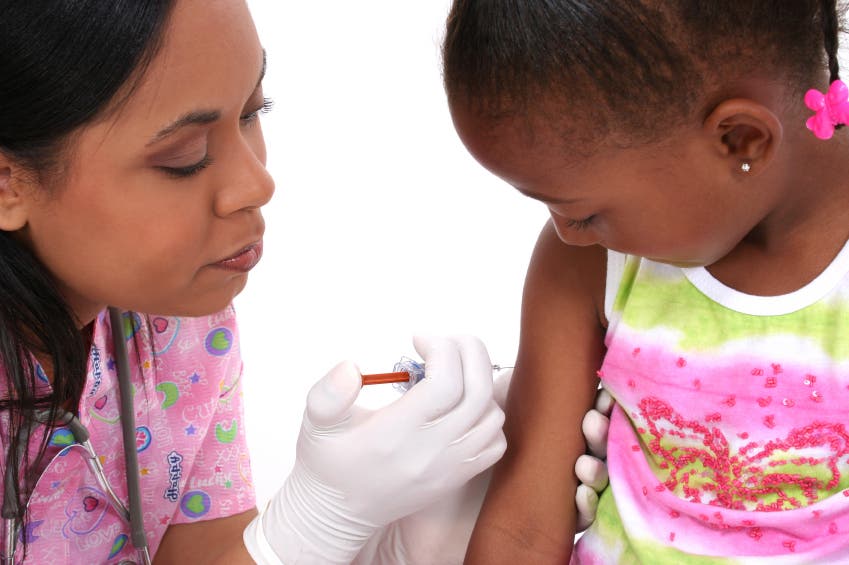
Recently, measles has been getting a lot of news coverage. There have been several outbreaks across the country including here in Illinois. Measles has become a news story because it was almost eradicated in the United States thanks to vaccines but has resurged due to international travel and pockets of people who are unvaccinated.
In the U.S. we are fortunate that measles outbreaks are rare. This is true because overall we have a good vaccination rate. This isn’t true in other area of the world where measles is still common because people don’t have access to vaccines. As vaccination rates decrease, the number of cases of measles increases.
Measles is spread by respiratory route, so a simple cough or sneeze by an infected person is enough to put contagions in the air. The incubation time, the time the virus is infecting the patient but the symptoms haven’t yet shown up, is 10 days after exposure. It can take up to 21 days to show measles symptoms.
Find out what's happening in Elmhurstfor free with the latest updates from Patch.
Measles has three phases. The first phase typically starts with fever, tiredness and lack of appetite. This phase lasts between 2 to 8 days. Patients are contagious during this time. During the second phase cough, pink eye, runny nose, stuffiness, and general cold symptoms occur. Whitish spots may show up in the mouth.
The head to toe rash spreads downwards and moves from the trunk towards the extremities. The rash is typically very small, closely spaced, and may start to merge together. Rarely does the rash spread to the palms of hands and soles of feet. The rash typically lasts 6-7 days. During this phase lymph nodes may be prominent and cause throat soreness.
Find out what's happening in Elmhurstfor free with the latest updates from Patch.
The third phase is resolution of the rash. Typically, within 48 hours of the rash appearance patients start to feel and look better. After 3-4 days the rash darkens to a brownish color, starts fading and then peeling.
Those at highest risk for complications include immunocompromised patients, pregnant women, people who have poor nutritional status, infants and the elderly. There are a myriad of complications that can be caused by the measles. They include pneumonia, croup and bronchiolitis. Measles can affect the brain causing severe inflammation that could lead to blindness and corneal ulcers. It can cause diarrhea, gastroenteritis, hepatitis, appendicitis, and mesenteric lymphadenitis, enlarged lymph nodes within the abdomen that can cause pain that mimics appendicitis. It also can affect the heart causing inflammation from myocarditis or pericarditis.
The measles vaccine is very effective. One dose is 93 % effective if someone is exposed to the virus and two doses is 97% effective. No vaccine protection is one hundred percent, but even partial immunity will help reduce complications.
Patients who get measles if vaccinated are much more likely to have a milder illness and much less likely to spread the disease
You are protected if:
• You received 2 doses of the vaccine,
• You were born before 1957 as they likely had exposure or had the disease
• You have had laboratory confirmation that they are immune to measles
• You had one dose of the vaccine and they are a preschool-aged child
• You are an adult and received one dose of the vaccine and are not in a high risk setting
Those who need to be vaccinated are:
• Infants 6-11 months of age who have been exposed to measles. These children will still require additional MMR vaccines at ages 1 and 4.
• Infants 6-11 months of age who are traveling internationally as measles is still prevalent outside the United States.
• Anyone with known exposure to measles can get the MMR vaccine for post exposure prophylaxis, which is most effective within 72 hours of exposure. Or, they could receive immunoglobulin within 6 days of exposure to reduce the risk of contracting the disease.
• Patients at risk for severe illness such as infants younger than 12 months, pregnant women without evidence of measles immunity and patients with severely compromised immune systems should receive immunoglobulin (IG), which is a form of antibodies. IG does not controlled measles outbreaks.
Measles resurgence underscores the importance of vaccinations. Measles was a nearly eradicated disease in the United States until a combination of the rise of under vaccinated children plus international travel brought the disease back into the forefront.
Measles is not a mild disease; it is severe and can have serious complications. Herd immunity, where patients are protected when others around them are vaccinated, does not work if patients are not vaccinated. The best way to prevent measles is vaccinating your child.