Health & Fitness
Antiviral Face Masks Could Cut Coronavirus Spread At Source
A Northwestern University professor received funding to design a method of modifying face masks to make them deactivate viruses on contact.


EVANSTON, IL — A Northwestern University researcher has won federal funding to develop an antiviral face mask to fight the spread of the new coronavirus. The idea aims to cut the transmission at its source, protecting healthcare workers and anyone else who interacts with COVID-19 patients.
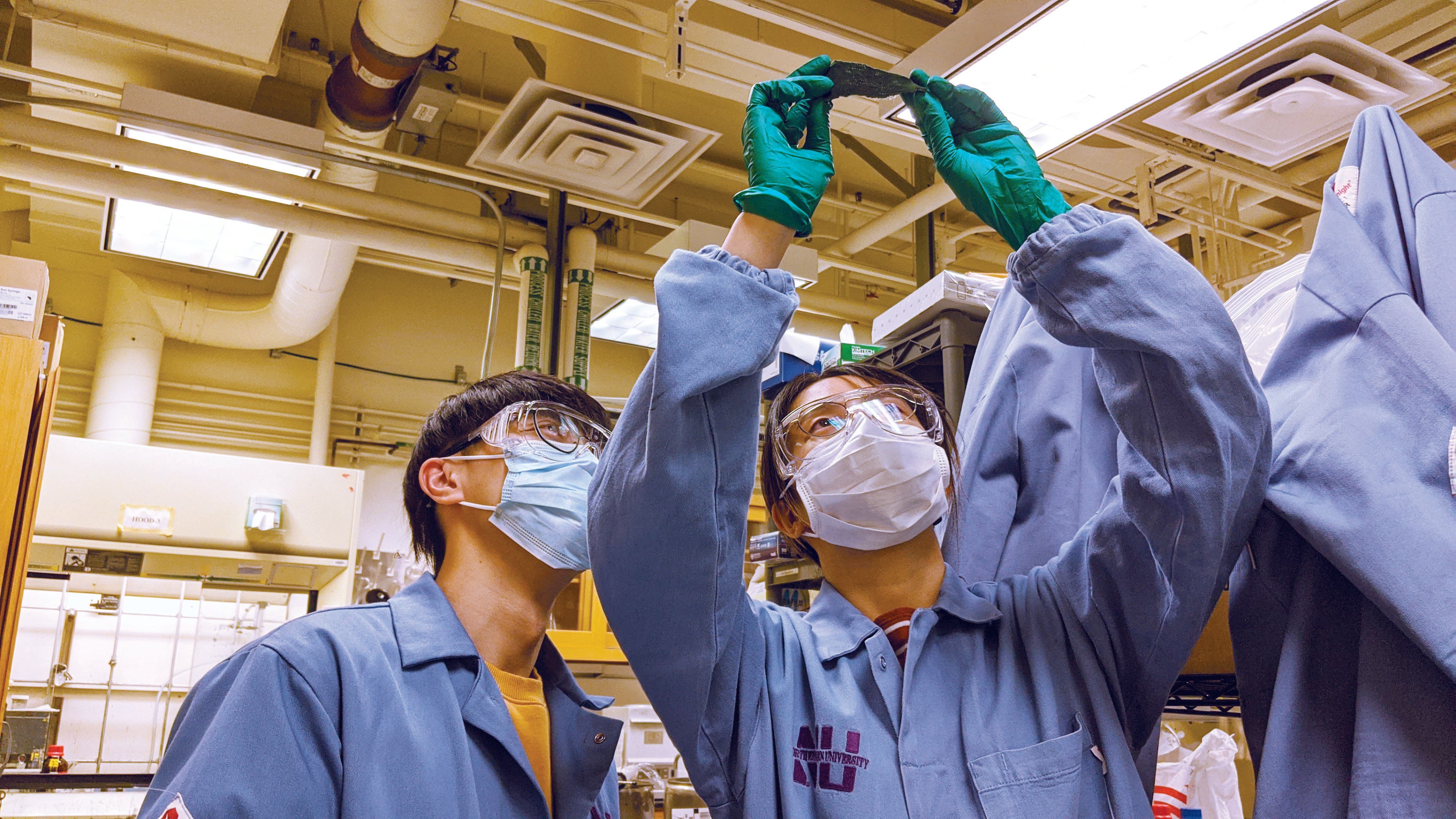
Jiaxing Huang, a materials science professor, is leading a project to design a modification for medical masks that will deactivate viruses as they are exhaled.
"Spread of infectious respiratory diseases, such as COVID-19, typically starts when an infected person releases virus-laden respiratory droplets through coughing or sneezing," Huang said. "To further slow and even prevent the virus from spreading, we need to greatly reduce the number and activity of the viruses in those just released respiratory droplets."
Find out what's happening in Evanstonfor free with the latest updates from Patch.
The goal of the project is to design a low-cost, drop-in solution that will work with various types of existing masks. When worn by people infected with COVID-19, such chemically treated, self-sanitizing masks could significantly cut down on the amount of the virus able spread in the air or on surfaces.
Huang and his research team have been designated as "essential researchers" during the statewide stay-at-home order, according to a university release. Members of his laboratory, including graduate student Haiyue Huang and postdoctoral fellow Hun Park, have been working from morning until late evening for the past week on the project.
Find out what's happening in Evanstonfor free with the latest updates from Patch.
Illinois Coronavirus Update: Cases Top 5,000: Don't miss updates about precautions in the Chicago area as they are announced. Sign up for Patch news alerts and newsletters.
The National Science Foundation last week awarded a $200,000 rapid response, or RAPID, grant to the project. The agency has issued a call for immediate proposals to fight the coronavirus pandemic.
The Northwestern project is the first physical science and engineering proposal to be granted funding from the RAPID program in response to the call, according to the university.
Last week, the foundation received $75 million from the federal $2 trillion coronavirus economic relief package. The funding could allow hundreds of scientists the chance to launch COVID-19 studies, according to Science Magazine.
Huang's project aims to seed an effort to rally scientists and engineers to develop new solutions to the challenges associated with the spread of infectious respiratory diseases, according to its abstract.
"More researchers — and especially students in the physical sciences and engineering — can proactively study the problems and think of new ways to mitigate the transmission and spread of viruses," he said. "Even those who need to stay home for now can still continue to brainstorm."
Get more local news delivered straight to your inbox. Sign up for free Patch newsletters and alerts.


