Health & Fitness
Aperion Care Offer Tips for Seniors to Prevent Falls in Winter Weather
Winter is beautiful but snowy conditions can lead to falls and injuries. Aperion Care has tips to help you prevent falling on the ice.

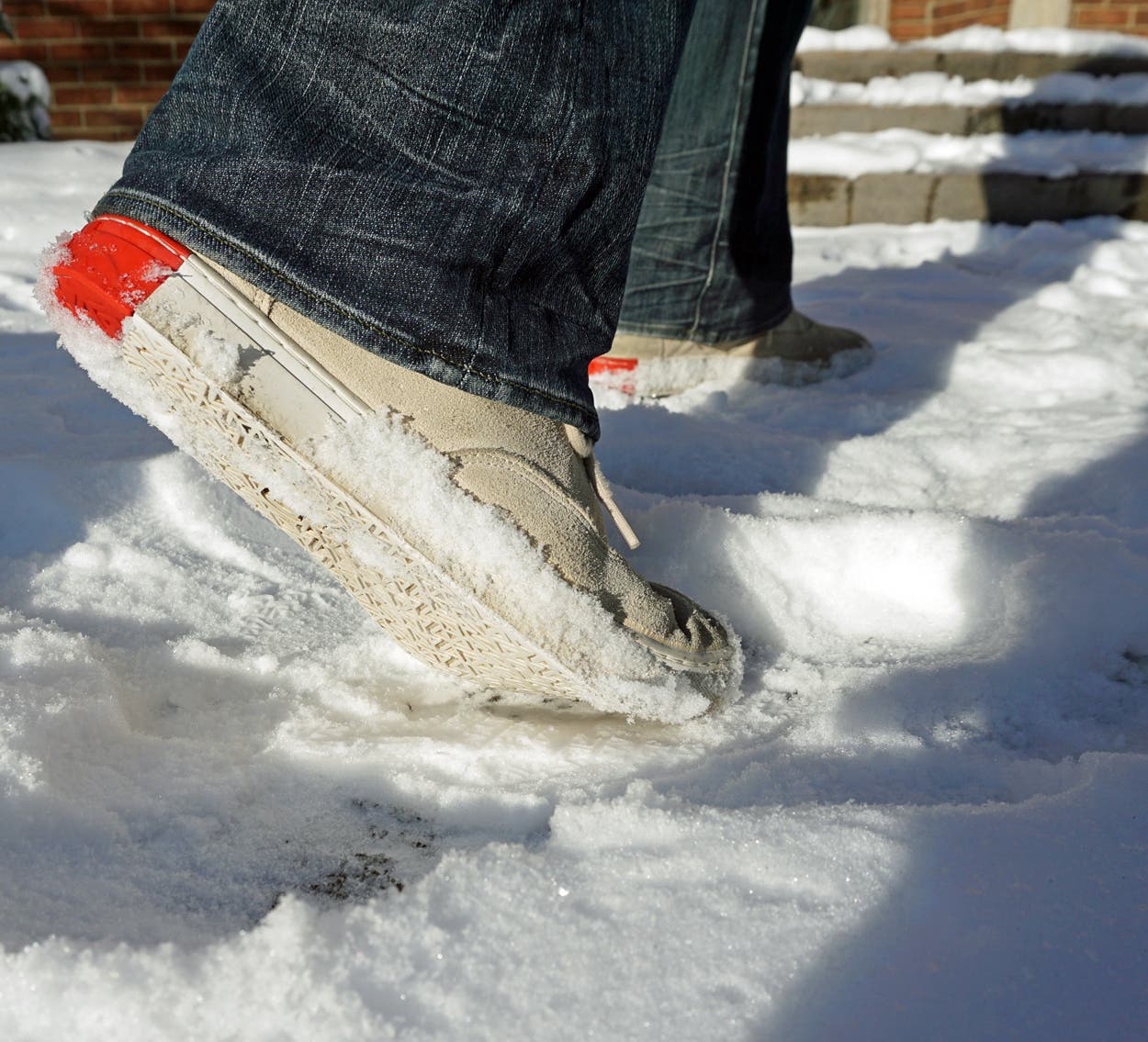
Winter presents challenges for many. But for seniors, cold weather, snow and ice pose threats that can lead to serious injuries and long-term health consequences. Icy porches, doorsteps, driveways, sidewalks and parking lots make it harder to navigate while the cold biting winter air makes it harder to move. These adverse conditions take their toll. Many studies show a high correlation between cold weather and an increase in falls among older adults. The chances for winter-related falls increase significantly after age 65, and even more dramatically after age 75, when balance and medication side effects also can come into play.
According to the National Institutes of Health, 1.6 million older adults go to the emergency room each year due to fall-related injuries. At Aperion Care Evanston, we see and treat many patients in our rehabilitation departments who are recovering from injuries due to falls in the community during the winter months. That makes sharing tips for prevention important to us.
So, when weather conditions throw challenges into your daily routine, change the way you approach your surroundings. The extra steps you take to help prevent falling can go a long way to helping you avoid long-term health problems as well as time away from work and family. If you are a senior or you take care of your senior friends and loved ones, Aperion Care has a few terrific tips that you may not readily think of to help prevent falls during the winter:
Find out what's happening in Evanstonfor free with the latest updates from Patch.
To Prevent Falls:
· In icy weather, carefully consider whether or not you really need to go out.
Find out what's happening in Evanstonfor free with the latest updates from Patch.
· Take your time and place each step carefully on icy or snowy surfaces.
· Make sure your shoes have rubber soles with good traction and that they fit your feet properly.
· Use a shorter stride when you walk by taking smaller steps.
· If handrails are available, use them.
· Wear gloves with grip pads to keep your hands warm rather than putting them in your pockets so you can keep both hands free for balance.
· Remember that ice patches can hide under snow and black ice can look like a wet surface, test for both situations by touching your foot to the area.
· Step carefully and slowly out of vehicles and through doorways.
· Use salt or sand to keep your walkways clear.
· Make sure you can see clearly – keep your glasses fog-free and your hair out of your eyes, and don’t carry large loads that limit your line of vision.
To Walk Safely in Winter Weather:
· Walking is automatic for most of us. In icy weather, pay attention to the way you walk and where you’re walking. Enlist all of your senses in the process.
· Plan ahead so you allow extra time to reach your destination safely.
· Walk in designated walkways, as they are more likely to be cleared off. Look for areas that offer traction.
· If the walkway is covered with ice, travel along grassy areas for traction.
· When entering buildings, take the time to remove snow and water from shoes to prevent slipping.
Know How to Fall:
· According to fitness expert and stunt performer Amie Hoff, if you can remember “tuck and roll” you often can prevent a lot of the more serious injuries if you do fall.
· While it’s instinctive to brace yourself by putting your arms out in front of you when you fall, this can lead to broken wrists and arms. Instead make yourself as small as possible -- think little ball -- by tucking your arms into your body and rolling sideways into a fall, rather than falling forward or straight backward.
· And if you’re carrying anything and you start to fall, toss it. Protect yourself instead of objects you’re carrying.
At Aperion Care, we take snowy winter weather seriously as it can be a factor in causing some of the fall-related health problems for the seniors we see and treat. So, when it’s icy and you’re headed out, take extra care to make sure you get to your destination and back fall-free. Keep warm and travel safe.
References:
http://nihseniorhealth.gov/falls/aboutfalls/01.html
http://www.nia.nih.gov/health/publication/falls-and-fractures