Health & Fitness
Aperion Care Offers Smart Tips for Visiting Loved Ones during Flu Season
Visiting loved ones in a skilled nursing facility during cold and flu season requires extra vigilance to keep from spreading colds and flus.

Are you visiting your loved ones in a skilled nursing or rehabilitation facility? Is there any chance you could have a cold or the flu? Because if there is, you’ll want to rethink your visit.
It’s early January and according to the Centers for Disease Control, widespread or high flu activity has been reported in 46 states. It’s nearly everywhere. CDC officials warn it’s too soon to know whether we’ve seen the worst of it.
While anyone who has the flu can attest to how horrible it makes you feel, older and younger people are hit the hardest. For those with underlying health issues and compromised immune systems, particularly in the elderly and young, the flu can be extremely dangerous and even deadly.
Find out what's happening in Evanstonfor free with the latest updates from Patch.
According to the CDC, so far there have been 5,400 flu-related hospitalizations across 13 states and 26 flu-related deaths of children. We do not yet know the full extent of its severity.
During cold and flu season, in general, even if you aren’t sick, visiting a skilled nursing facility means taking extra precautions. In order to avoid giving a cold or flu to your loved ones and friends in skilled nursing and rehabilitation facilities, Aperion Care Evanston offers these basic principles of infection prevention from the Association for Professionals in Infection Control and Epidemiology and the CDC.
Find out what's happening in Evanstonfor free with the latest updates from Patch.
Stay home if:
· You have any signs of a cold or flu. Make sure you’re clear and symptom-free for at least three days. If you are sick or have had any symptoms of illness within this critical timeframe, it’s not worth the risk to your loved one to visit. Symptoms of concern would include nausea, vomiting, diarrhea, fever (or feeling feverish), an uncontrolled cough, and/or a rash.
· You’re coming down with an illness. Honestly assess how you feel. If you are coming down with a respiratory illness, you are MORE contagious during the first 24-48 hours than you are at the end of the illness, after your immune system has a chance to fight the illness.
When visiting when you’re well during cold and flu season:
· Make sure you’ve had your flu shot.
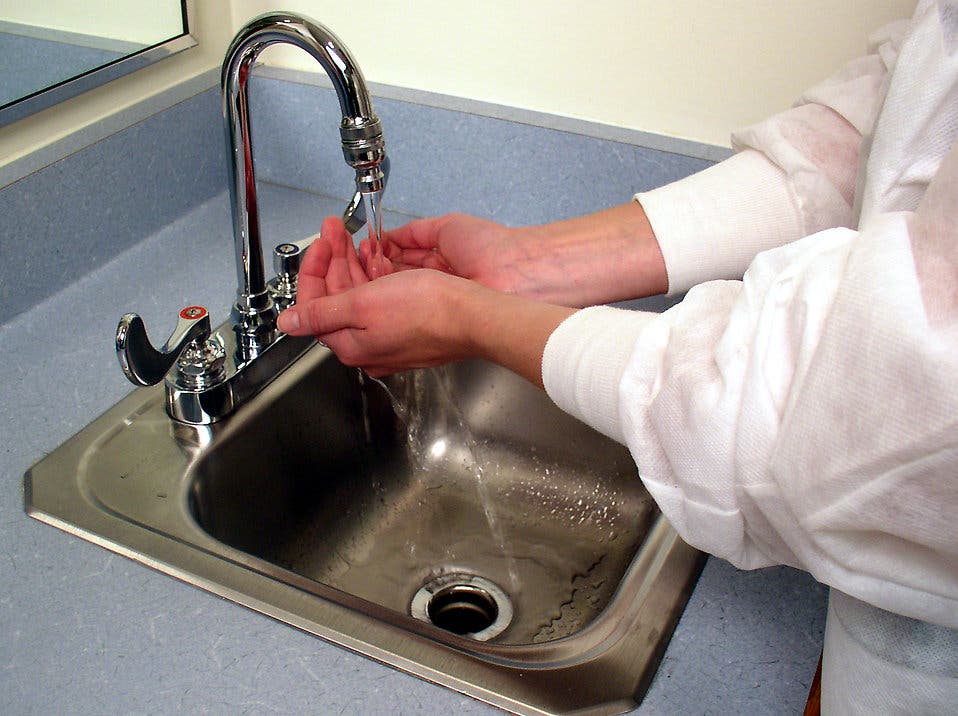
· Clean your hands to help prevent the spread of infection. Before and after visiting your loved one, wash your hands with soap and warm water for 20 seconds. If soap and water are not available, use an alcohol-based hand rub. While you’re visiting, clean your hands after touching your eyes, nose, or mouth, after using the restroom, and before and after eating or drinking.
· Cover your cough. Cover your mouth and nose with a tissue when you cough or sneeze. Put your used tissue in the wastebasket. If you don’t have a tissue, cough or sneeze into your upper sleeve or elbow, not your hands.
· Keep a reasonable distance. Do not sit on a resident’s bed or handle the equipment.
· You may be asked by the staff to put on a facemask to protect others. Remove the masks when leaving patient/resident care areas, and if you touch the mask, replace it with a new one.
We always want to encourage you to visit your loved ones in skilled nursing and rehabilitation facilities. A strong network of family support is important to their overall well-being. But, during cold and flu season, please be extra vigilant and take precautions when you visit so we can help your loved ones avoid unnecessary illness. Following the above rules of thumb during the peak flu season will help do just that. After all, using some of these very same principles, health care workers stay reasonably healthy despite being exposed to contagious illnesses on a daily basis.
References:
http://www.cdc.gov/flu/protect/covercough.htm
http://www.webmd.com/cold-and-flu/news/20150109/flu-season-peak