Health & Fitness
Aperion Care Reminds Seniors to Take Extra Care as we Spring Ahead for Daylight Savings Time
Daylight Savings Time can be a challenge for seniors. Aperion offers sleep hygiene tips to ease the transition of losing an hour of sleep.

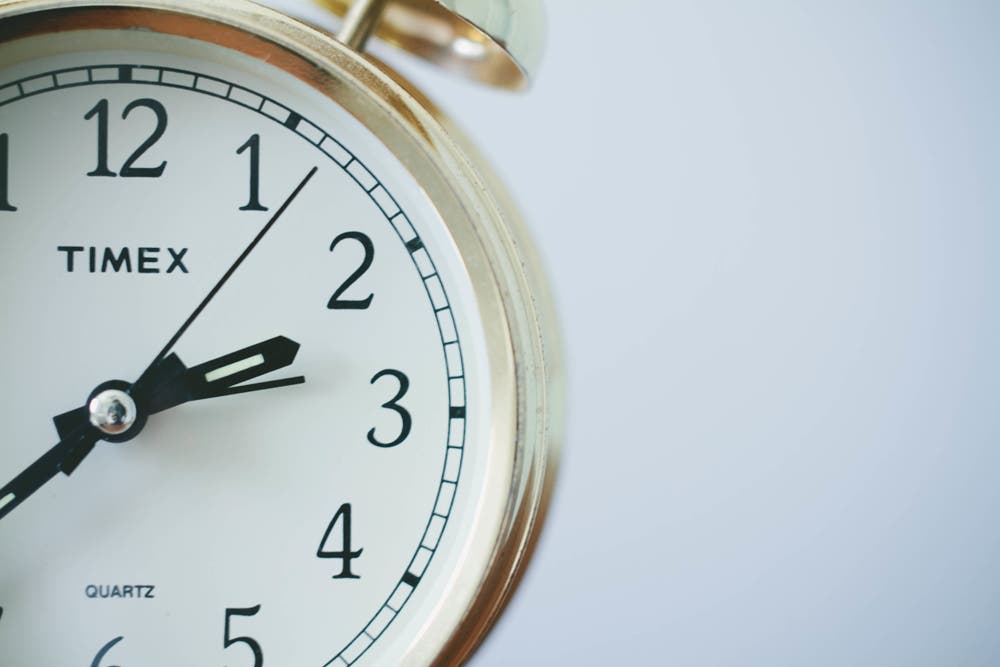
It’s the jet lag we all face. March 8, we spring our clocks forward, losing a precious hour of sleep as we adjust to Daylight Savings Time. For most of us, while we feel off-kilter for a few weeks to follow, the adjustment happens and it’s back to business as usual.
For seniors and those with chronic health conditions, the same cannot be said. Aperion Care is reminding seniors and those who care for them that a little good sleep hygiene will go a long way toward successfully adjusting to the hour’s sleep loss.
Typically, older people have a harder time falling asleep and staying asleep, especially if they have any health issues. A natural part of aging is that sleep patterns and habits change. Therefore, it becomes much harder to rebound from losing an hour.
Find out what's happening in Evanstonfor free with the latest updates from Patch.
For seniors, right after Spring Daylight Savings Time, it’s important to be extra vigilant. For instance, since sleep deprivation makes most people - young and old - more prone to accidents and impairs performance, so things like medication management may be harder. In addition, there can be an increase in disorientation or erratic behavior.
There are some ways to ease the disruption to sleep that Daylight Savings Time causes. To make the transition successfully, Aperion Care provides the following good sleep hygiene tips:
Find out what's happening in Evanstonfor free with the latest updates from Patch.
1. Maintain your schedule – Even though the clock says one thing, if you can maintain your sleeping and waking schedule, it will help you adjust. Try making small 20-minute adjustments every day -- by going to bed 20 minutes earlier and waking up 20 minutes earlier -- over the course of a week until you’ve reached a one-hour adjustment.
2. Stay away from things that disrupt sleep – Caffeine makes it harder to fall asleep and alcohol makes it harder to stay asleep. Even if you’re a coffee or tea drinker, chocolate eater, or occasional imbiber, try to limit your intake leading up to and right after Daylight Savings Time. And, since it’s still cold a flu season for many, remember over-the-counter cold medicines can contain both alcohol and caffeine, so avoid them if possible.
3. Avoid catnaps – While naps feel great most of the time, they can make it harder to fall and stay asleep so as we Spring forward, avoid them.
4. Bask in the sunlight – Sunlight helps to set your internal body clock, or circadian rhythm. When you wake up in the morning, try to get a good dose of bright sunlight first thing. It will help your body clock make the adjustment.
5. Get some exercise – Exercise also helps wake your body up and get going. Morning exercise is great for making a body clock adjustment. However, don’t exercise within 3 hours of bedtime as it can make it harder to fall asleep.
The signs of Spring, including setting the clock ahead for Daylight Savings Time, bring joy to people of all ages. And, while most can certainly go without losing an hour of sleep, there are ways to ease the pain. Good sleep hygiene is important year-round, but taking extra care to practice it leading up to and two weeks following Daylight Savings Time will make a world of difference.