Politics & Government
Evanston Fight For Black Lives Organizers Address City Council
A group of recent ETHS alumnae advocated aldermen work toward "defunding" the police department to better address racial disparities.


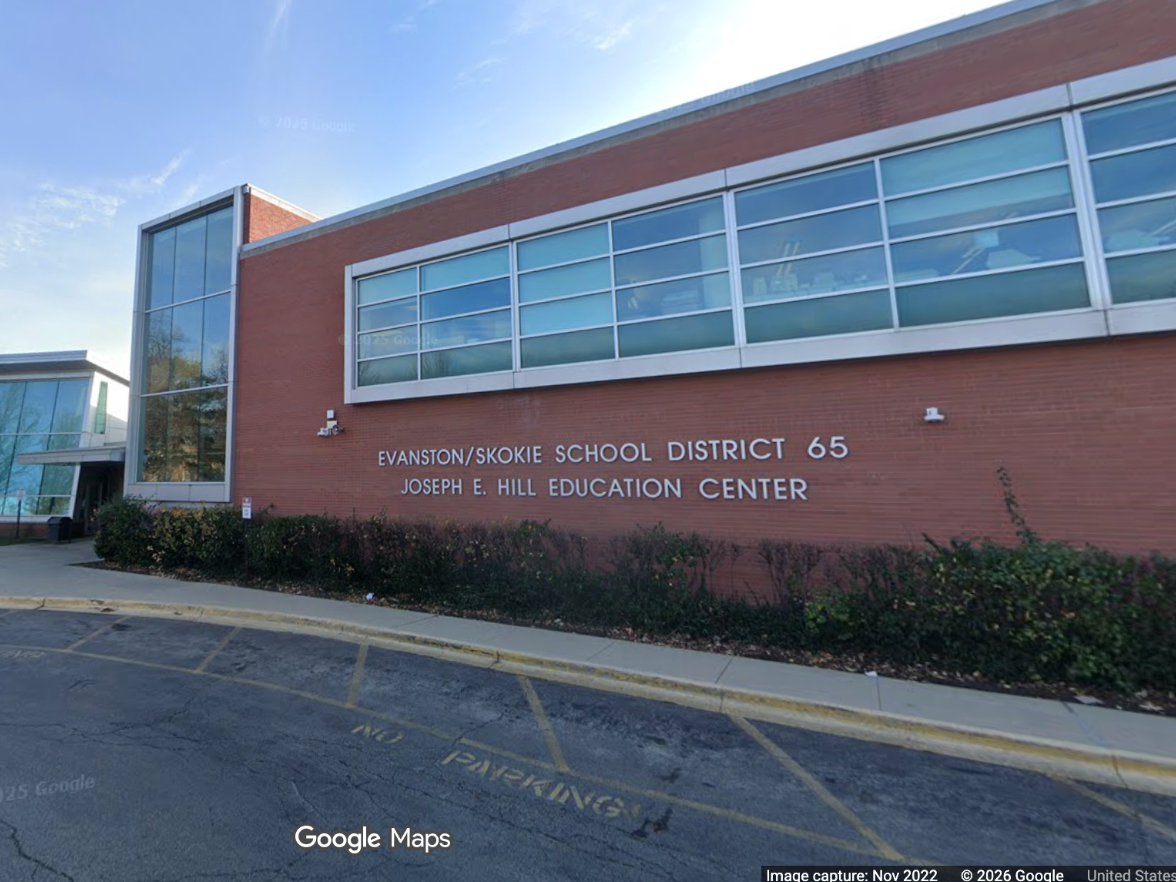
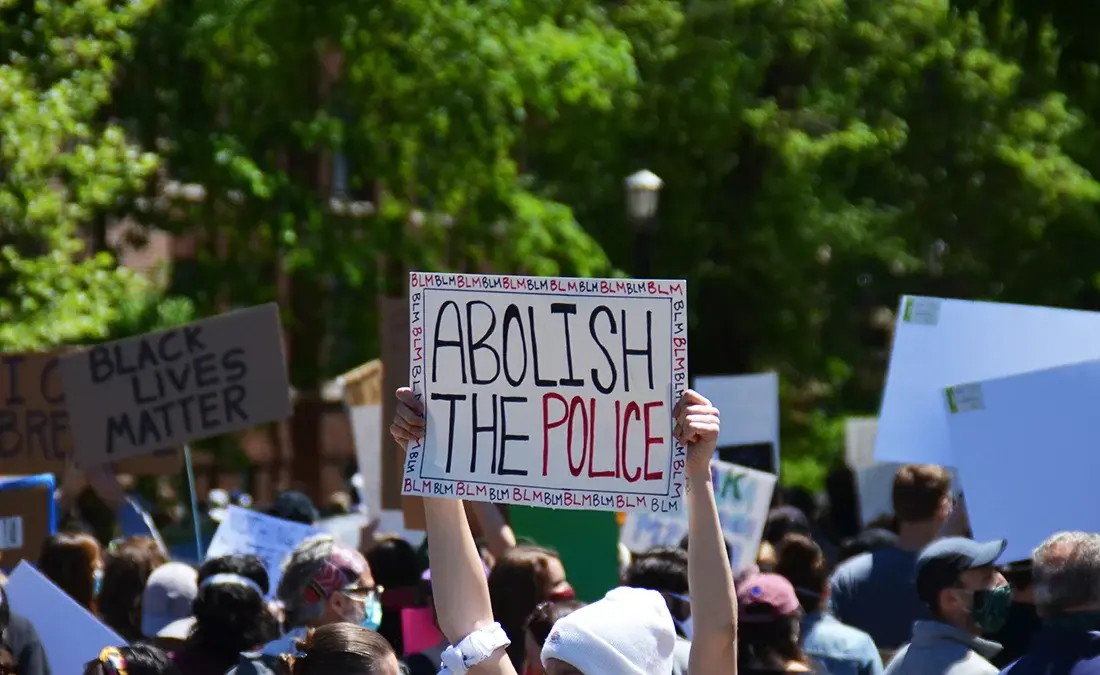
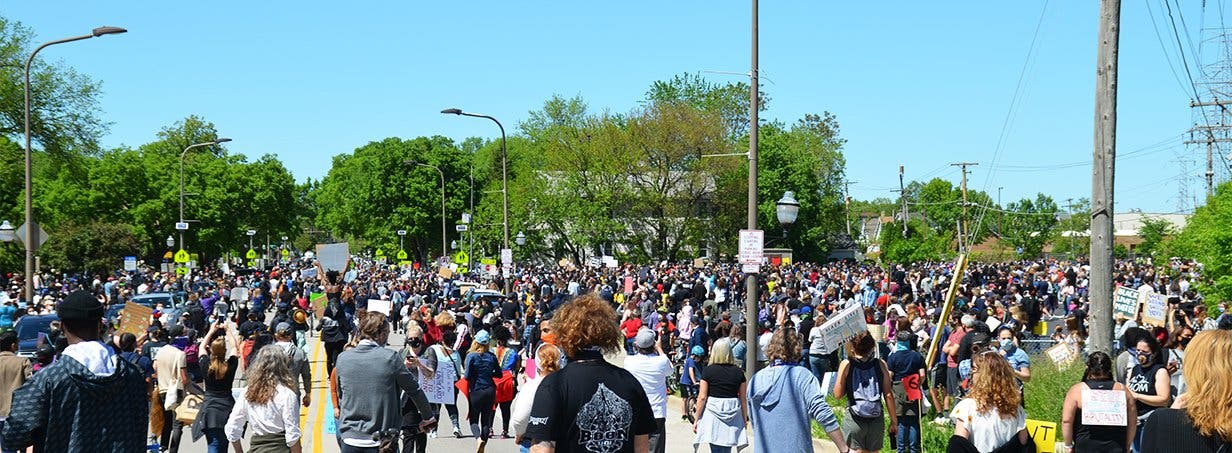
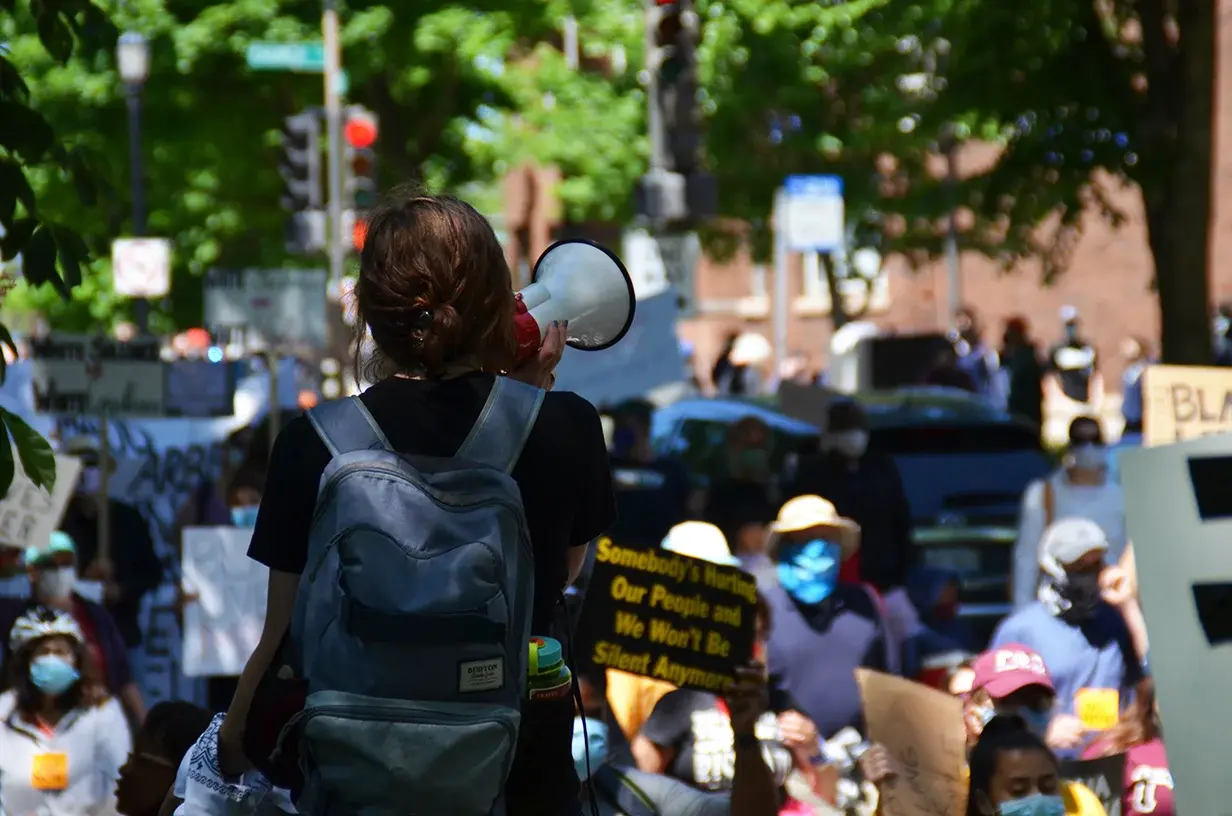
EVANSTON, IL — A group of recent Evanston Township High School graduates called on elected officials to redirect funding to better address racial inequities. Six organizers of the Evanston for Black Lives march on May 31 were invited to address the City Council for 10 minutes at the opening of Monday's meeting.
"You asked us to share with our community what you think are the most racially systemic issues you as a City Council need to address and any suggested solutions," said Sinobia Aiden. "Knowing that this is an irresponsible ask for us to fully cover within 10 minutes, we hope to provide just a tip of the iceberg as to how Evanston is failing its black families through the frames of policing, housing, education, health, employment and community."
Maia Robinson pointed to data showing that 60 percent of arrests made by Evanston police since 2016 are of black people. The most recent Census estimate shows 17 percent of the city's population is black.
Find out what's happening in Evanstonfor free with the latest updates from Patch.
"How is this possible? Black people are not more likely to commit crimes than their white counterparts. This is because black communities are underfunded and overpoliced," Robinson said. She cited nationwide calls to redistribute funding from police budgets to other services that also contribute to public safety, describing "defunding police" as the first step toward a safer and more just society.
"Police officers are forced to take on the role of social workers, emergency medical personnel, welfare care workers and more," she said. "These calls have all been answered by armed police officers, which leaves room for escalation, violence and potentially murder."
Find out what's happening in Evanstonfor free with the latest updates from Patch.
Aiden said elected officials must address Evanston's ongoing gentrification and its declining black population.
"Evanston's history of encouraging generational wealth has disproportionately displaced its black and brown families. This disparity becomes clear when we see that 62 percent of white households in Evanston are homeowners, compared to black households, which are only 38 percent of homeowners," she said, noting average incomes of white families in Evanston are nearly twice as high as their black counterparts.
"The money redirected from [the Evanston] Police Department could go to proper affordable housing, since Evanston has been continuously losing its black residents due to high property taxes," she said.
Liana Wallace said the educational system consistently fails black youth in Evanston/Skokie District 65 and Evanston Township High School District 202, citing equity reports produced by the elementary school district.
"In addition to walking in at an educational disadvantage, black students are continually exploited by policing and punishment through discipline referrals and suspensions," Wallace said. "One in four black students received an office discipline referral for behavior classified as major in 2015."
Divestment from the police department could help close racial gaps between kindergarteners before they enter the public school system, where black students often enter with minimal resources at home, Wallace said.
"Increasing the cash flow from policing to community services could directly address these challenges. These systemic failures are then further perpetuated as black students head into high school. Based on the 2018-2019 annual achievement report from Evanston Township [High School] white students have a collective GPA of 3.35 while their black counterparts have a collective mean GPA of 2.6," she said.
"Our failure in education lead into Evanston's current state of policing. Prison should not be the solution to our educational shortcomings through the school-to-prison pipeline, and the presence of resource officers in places that are supposed to be dedicated to learning to perpetuate that."
Julia Shoaf pointed to the coronavirus pandemic's disproportionate impact on the black community. Local policies could help address racial disparities in health outcomes, she said.
"Where we live determines opportunities to high-quality education, employment, housing, fresh foods, outdoor spaces, which are all contributors of our health," Shoaf said. "Our surroundings have a strong influence on our health. It is critical to provide equity in all oppressive institutions to better the health and well-being of our black residents."
Phoebe Liccardo called on the City Council to use the Reparations Fund it created last year to address rates of black unemployment and business ownership. Black people's labor has been devalued throughout American history, she said.
"This devaluation has occurred through explicit and implicit segregation, through legal racial oppression and through racial workplace segregation, all of which Evanston has either historically been a part of, or presently perpetuates," Liccardo said.
Nia Williams said the organizers would demand future meetings with the city's leadership and would not be satisfied "until we begin to see real change."
"It is upsetting and painful to see how collectively those in leadership have a very base level of understanding that is slow and ineffective compared to what we know, and have had no choice but to know, as black youth growing up in America," Williams said. "If we are a community that proclaims we value black lives, it should be a shame that Evanston consistently ignores the collective voice of its black residents."
Williams also called for a transparent process surrounding the appointment of a new city manager. Following her request and comments in favor of a public process by Interim City Manager Erika Storlie, aldermen referred Mayor Steve Hagerty's proposal to hire Storlie permanently to the Rules Committee for further discussion.
Hagerty said he planned to have future meetings with the student organizers, acknowledging it would take much more than 10 minutes. The mayor said the composition of the City Council reflects the diversity of the community and expressed optimism that Evanston was well-positioned to work for racial equity.
"I realize it's not happening fast enough," Hagerty said. "But I will just tell you from my perspective, the voices are being heard, they're loud, we understand, and if it can happen anywhere it can happen here in Evanston, in terms of making change."
Related:
Mayor's Bid To Bypass City Manager Hiring Process Withdrawn
Photographing The Evanston Youth March
Socially Distanced March, Rally for Black Lives
Get more local news delivered straight to your inbox. Sign up for free Patch newsletters and alerts.