Seasonal & Holidays
Native First Nations Resident Living in Evanston Applauds City’s Move to Ditch Columbus Day
Bernie Pratt, one of only a handful of Natives living in Evanston, tells us why "Indigenous Peoples Day" should be celebrated instead.


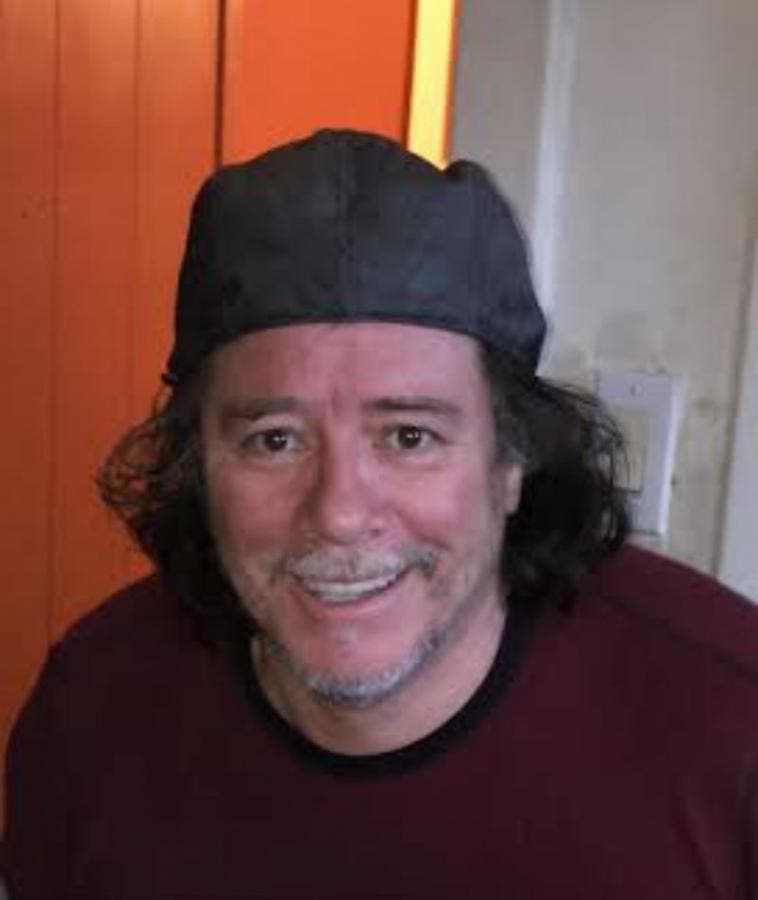
EVANSTON, IL - A First Nations resident of Evanston applauds the city’s initiative to replace Columbus Day with Indigenous Peoples Day.
“I am very proud of Evanston,” said Bernie Pratt, one of only a handful of Native American or First Nation (the name referred to natives born in Canada) residents of the city. “I’m very proud to say I live in Evanston because they are doing something in a land, Illinois, where it was illegal to be yourself until the 20th century.”
Pratt has lived in Evanston since 2000, when he and his wife Robin purchased a home to accommodate their growing family. But his family connection to the tense relationship between Native Americans and Europeans goes back much further. His grandparents, along with his then 6-year-old mother, were pursued by both the Indian Agent and the federal police for the crime of leaving the reservation without a pass. This after Pratt’s namesake Bernard Colin Pratt died at the age of 13 of a very treatable bacterial pneumonia because ‘Indians weren’t allowed white medicine. Disgusted at the injustice, Pratt’s grandfather Colin Pratt, just back from four years fighting in the European theatre, loaded up his young family on their horse cart and fled under cover of night.
Find out what's happening in Evanstonfor free with the latest updates from Patch.
His grandmother was acknowledged by Queen Elizabeth in the 1960s at a dinner in Churchill, Manitoba, (Pratt’s birthplace), for her role in helping Inuit and Dene First Nations people during their displacement from an unfair fur trade practice between Natives and Europeans in the Hudson Bay area of northern Canada. She was honored for her role in intervening when fur companies would give bottles of Whiskey to First Nations people before trades began involving thousands of dollars worth of fur. It was not uncommon to have several dog teams park in their yard and a house filled with 20 or more traders.
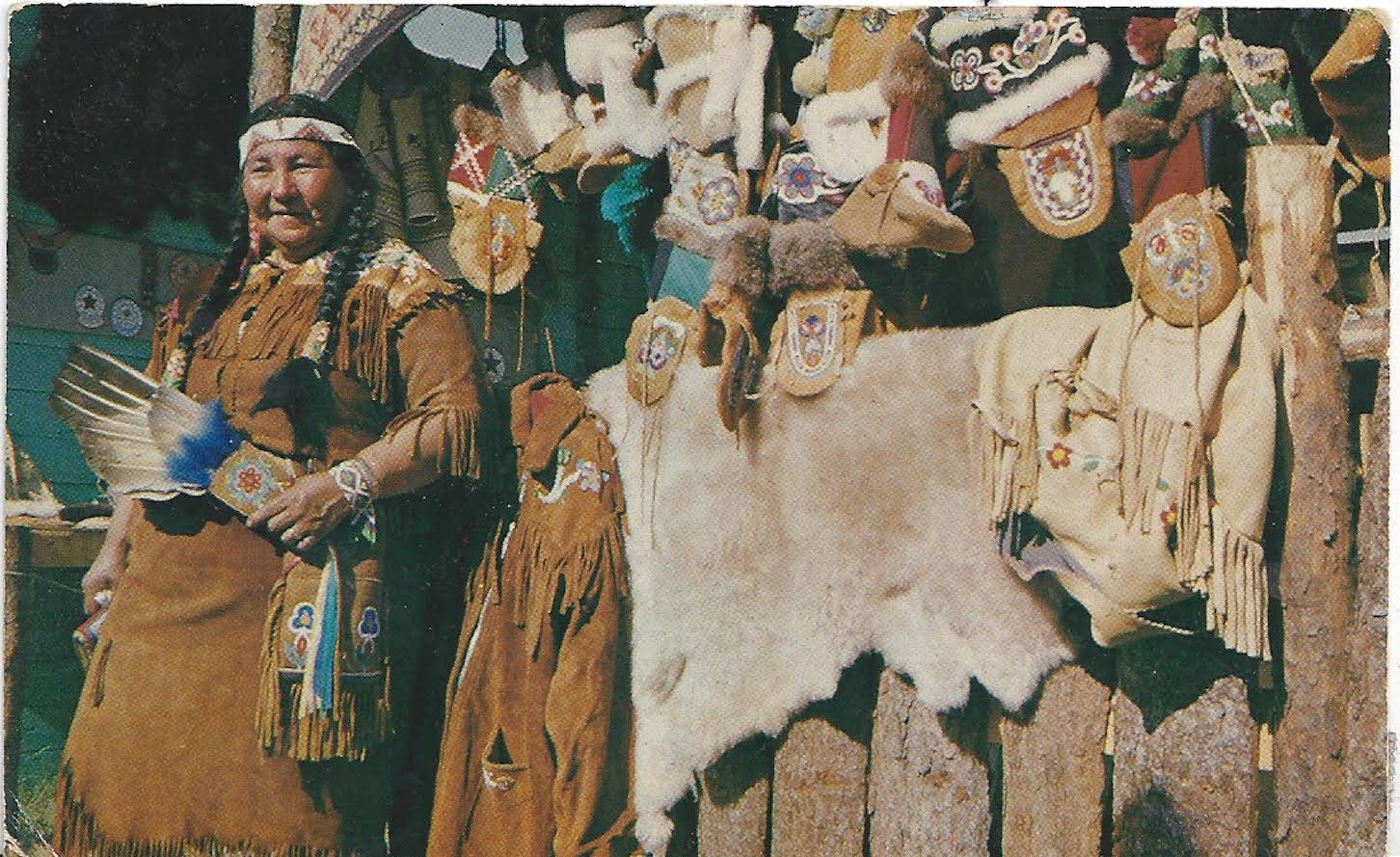
Pratt’s aunt Marji Pratt was among the American Indian Movement members present during the Wounded Knee standoff of the 1970s opposing action taken by the FBI and US Marshals.
Find out what's happening in Evanstonfor free with the latest updates from Patch.
“I’ve always had a politically active family,” said Pratt, who himself has served on many Native and cross cultural boards and was a past member of the Pow Wow Committee at the American Indian Center in Chicago.
A couple months back, news broke of a plan the city of Evanston has in place to officially replace the Columbus Day holiday in October with Indigenous Peoples’ Day, to honor Native American and First Nation citizens.
The change was a result of collaboration between the city and the Mitchell Museum of the American Indian. While it has not been made official yet, the Museum announced the new designation will celebrate “the contributions of Indigenous people throughout the world, and acknowledge the many tribes who lived across America long before Christopher Columbus and waves of immigrants came to America.”
Evanston Mayor Elizabeth Tisdahl said in April making the switch from Columbus Day to Indigenous Peoples Day is “the right thing to do.”
“I’m glad that they are finally acknowledging that he was lost,” Pratt said, referring to Columbus. “When Columbus came ashore, he was diseased and infected with parasites. He was starving, and wasn’t going to last more than a couple of days. He shouldn’t be acknowledged for being lost.”
Honoring Native Americans and First Nations tribes is a nod to the “caretakers of the Earth,” Pratt added. “We should be acknowledged for the harmony we had in this land and the deep respect we still maintain and teach in these ominous times of such environmental upheaval.”
Growing up, Pratt was the “fairest in skintone” member of his family and recalls the “hell” his brother, sisters and cousins went through. He has experienced the shame of watching his mother be kicked out of a café because they don’t serve Indians, but that same café would serve him because of his fairer skin. Years later, his mother was offered a multi-million dollar settlement for the torture she endured in the residential schools, but turned it down since part of the agreement would gag her from ever publicly speaking of the abuses committed against her during her childhood years in those schools.
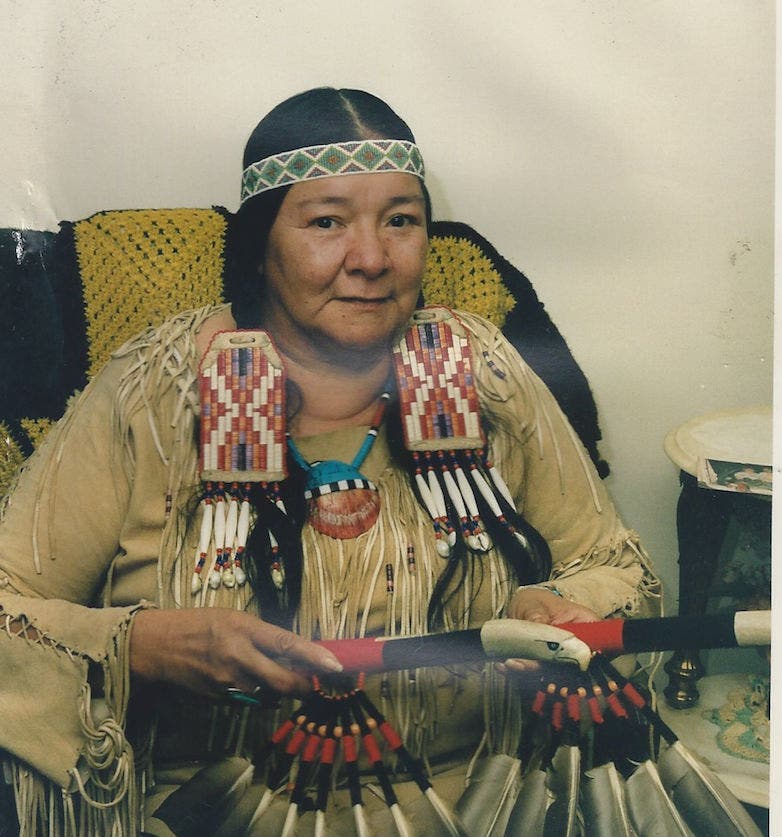
“Illinois was one of the last few states where you could actually go to prison just for being an Indian,” he said. “We couldn’t own property. We were not considered human, just a ‘noble savage.’ In 1964, the World Churches determined that we did have souls. They invited us to be human.”
The European treatment of Native American tribes was a disgrace, and that is not a secret. Yet still, most of the United States still celebrates Columbus Day. In Chicago, the city organizes one of its largest parades of the year to mark the day in honor of Italian Americans. Young children in elementary schools still learn how it was Christopher Columbus who “sailed the ocean blue” and “discovered” America.
Pratt says a lot of that has to do with “inherent guilt.”
“That’s one of the things people won’t talk about in the company of natives, is the lack of responsibility taken by America’s leadership to correct pieces of the past” Pratt said. “While no one alive today is responsible for what happened then, the government who initiated it is still the same one.”
Even in progressive Evanston, where Pratt’s son was born and is now a 15-year-old attending Evanston Township High School, that guilt is noticed in educational practices.
During a parents night when his son was in seventh grade, Pratt remembers asking a teacher if they taught students about the Trail of Tears and the American Indian influence on today’s form of government.
The reply from the teacher, according to Pratt: “We don’t yet acknowledge the genocide because we are still too embarrassed to acknowledge it.”
Pratt supports the recent decision to change the face of the American $10 bill from Andrew Jackson to Harriet Tubman.
“Andrew Jackson started the Trail of Tears, he was responsible for hundreds and thousands of deaths,” Pratt said.
Pratt holds that Columbus Day was originally celebrated as a way to “create autonomy from Europe.”
“I think it was partly about celebrating how the colonies came free from the rule monarchy,” he said. “But while putting Columbus Day in place - even though it may have been done with the right intention - what they did was minimize the impact of the Native American to this land.”
The name switchover in Evanston isn’t a sure thing, however.
Since the initial news of the name and honoree change for the second Monday in October was made, a report surfaced from Evanston Now indicating the Italian American Human Relations Foundation of Chicago will fight the move.
Louis Rago, president of the Foundation, says he has no problem with adding an Indigenous Peoples Day, just as long as it falls on another date on the calendar.
“I don’t understand why it has to fall on Columbus Day,,” Rago said. “There are so many other days…There’s a group of people that feel that whatever good came from Columbus landing on the shores of the Americas, all the evil that’s happened since 1492 is his fault.”
Rago also pointed out that Evanston ridding itself of Columbus Day would be unfair since the city is named after John Evans, who has been accused of being part of a massacre of Indians himself.
But Columbus’ intent to “enslave and rob a nation that nourished and saved him as their first act of welcome” should not “instill pride or honor in a People as proud and honorable as the Italian Americans,” Pratt said.
“The Italian American community has contributed a hardworking, strong, vibrant, and proud contribution instrumental in every aspect of the building of this country as it is today,” he added.
“To feel slighted by the potential change of Columbus Day to Indigenous Peoples Day is an unfortunate byproduct of righting a misconception. I can most assuredly confirm to all communities that we, the Anishinawbe (First Peoples) of this land knew exactly where we were. Columbus on the other hand, as accomplished a navigator as he was in previous endeavors, was lost.”
The progressive move on the part of present-day Evanston has brought out the hometown pride in Pratt, who said he chose the town because it was “as close as a neighborhood we could find in Chicago” that reminded him of where he lived in Toronto.
“Evanston welcomes all races and cultures,” he said, remembering how he was attracted to the city’s “peaceful schools” and diversity.
“In my opinion, Evanston has been head and shoulders above Chicago and the surrounding suburbs in efforts to create a living environment that is harmonious to all,” he said. “Evanston did something in a land where it was illegal to be yourself, or at least an American Indian. I’m very proud of that.”
Get more local news delivered straight to your inbox. Sign up for free Patch newsletters and alerts.