Community Corner
Exhibit Uncovers Will County's Underground Past
An upcoming display on the Underground Railroad shows how instrumental the area was in helping Civil War-era slaves escape to freedom.




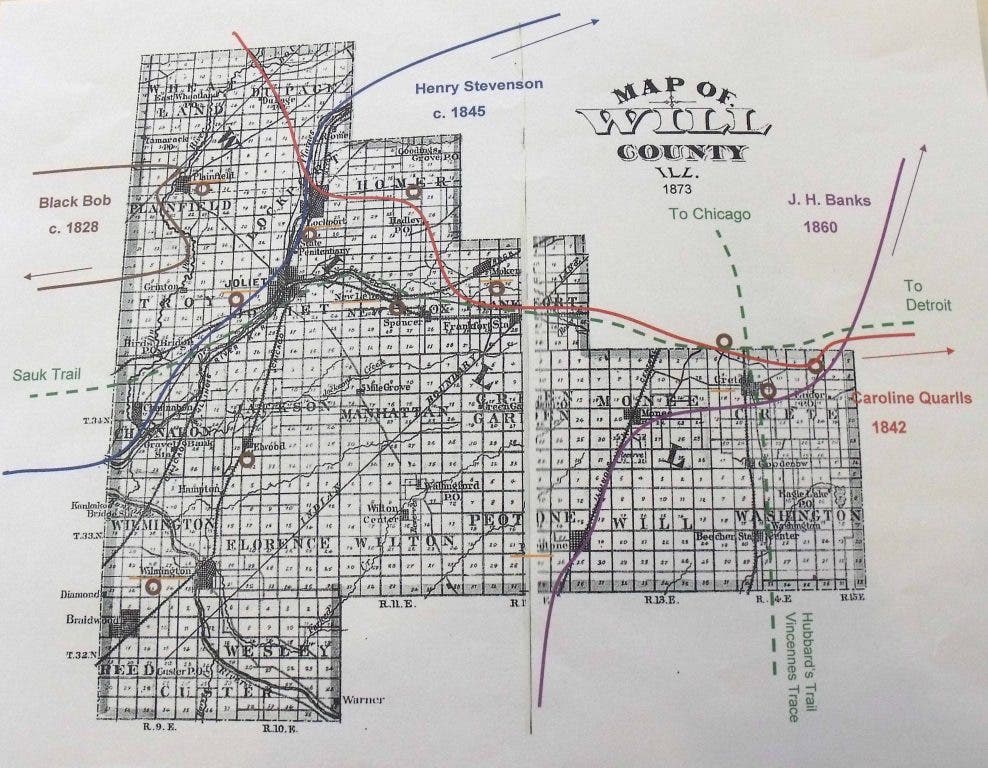

These days Canadian National trains rumble loudly through Frankfort, but 170 years ago another controversial railroad quietly began to establish itself along a parallel path.
Using the well-traveled Sauk Trail, along with back country roads and local waterways such as Hickory Creek, the Underground Railroad facilitated connections between conductors (abolitionists and anti-slavery supporters) and freedom seekers (fugitive slaves) passing through this area on their way to Canada.
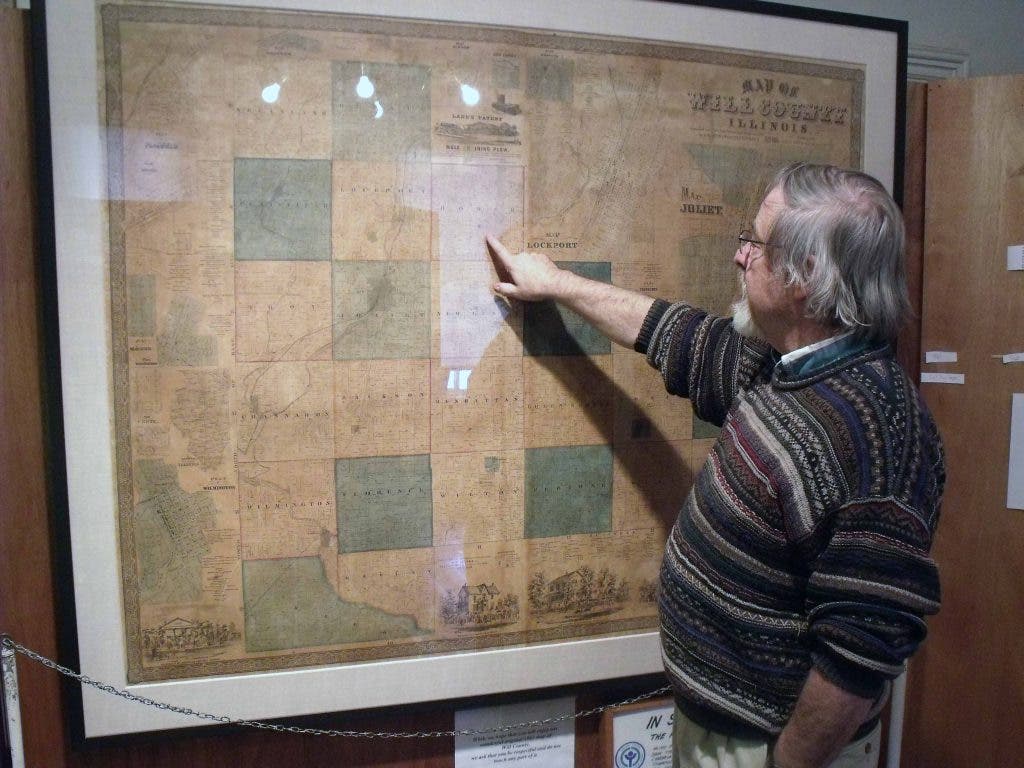
Local historian Larry McClellan, who has studied the Underground Railroad in suburban Chicago for the past 15 years, said that Will County actually had the most organized network of abolitionists in Illinois. That's something that will be examined later this month as part of an exhibit as part of an exhibit on the Underground Railroad at the Will County Historical Society. The exhibit, which also runs through Black History Month, kicks off four years of educational displays connecting local history to the 150th anniversary of the Civil War.
Find out what's happening in Frankfortfor free with the latest updates from Patch.
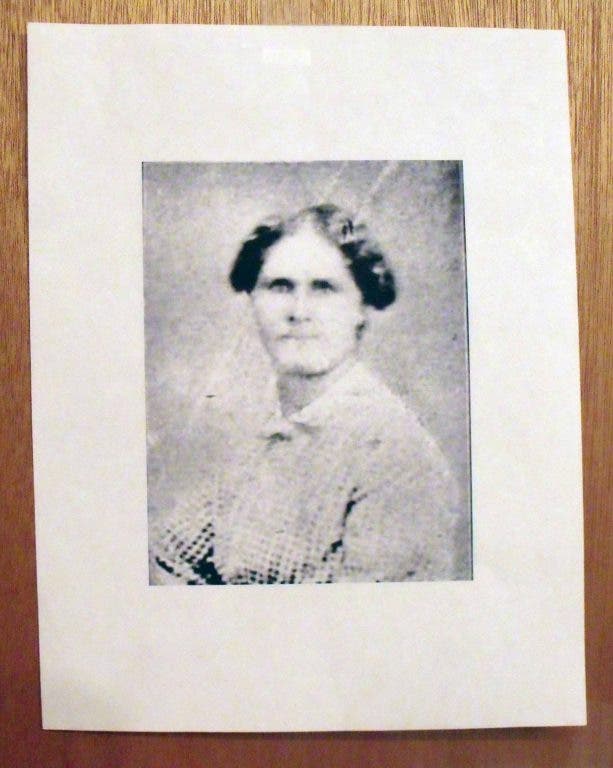
One story featured in the exhibit is that of 16-year-old Caroline Quarlls, who escaped from her master’s house in St. Louis on July 4, 1842. When she made it to Milwaukee, the Wisconsin anti-slavery supporters brought her back down Illinois.
“She was the first documented freedom seeker in Wisconsin,” McClellan said. “They didn’t know what to do with her, but they did know the best abolitionist network was in Will County.”
Find out what's happening in Frankfortfor free with the latest updates from Patch.
From the Milwaukee area, Quarlls traveled south to Naperville, then to Lockport, moving east into New Lenox, through Frankfort across Sauk Trail, and on to Crete, McClellan said. Quarlls eventually crossed into Canada via Detroit, where she later fell in love, married and raised a family as a free woman.
Quarlls’ story is just one of the many amazing, historically significant journeys that happened in the backyard of modern-day suburbia. While in other parts of the country, freedom seekers and conductors may have needed to communicate covertly using quilt patterns and secret codes, the road to freedom was much more direct in Illinois, McClellan said. Here, Underground Railroad conductors were usually farmers or businessmen, and stations where travelers sought shelter were barns, wagon beds or the occasional hotel. Freedom seekers might have traveled in disguise, but that was about as cloak and dagger as it got here, McClellan added.
“By the 1840s, there was a tremendous amount of abolitionist activity in Will County,” McClellan said. “Documented stations include sites in Plainfield, Joliet, Lockport, Homer Glen, Wilmington, New Lenox, Mokena, Park Forest, Crete and the Midewin Prairie area.”
In addition, McClellan believes, based on local lore, that other stations existed in south and southwest suburban communities, including Frankfort.
“There is tantalizing evidence, although undocumented,” he said, “that there was a barn in Frankfort where freedom seekers stopped.”
Freedom Seekers and the Underground Railroad in Will County
When: Begins at 11 a.m. Feb. 12 with a grand opening ceremony. The exhibit runs through July 30.
Where: Will County Historical Society, 803 S. State Street, Lockport
More info: Call 815-838-5080
Underground Railroad Lecture by Larry McClellan
When: 12:30-3 p.m. Feb. 27
Where: , 122 W. Kansas St.
How much? Tickets are $30, which includes a meal.
More info: Call 815-806-8140.