Politics & Government
Frankfort Square Park District Earns EPA Award
The honor recognizes the district's work on Island Prairie Park.
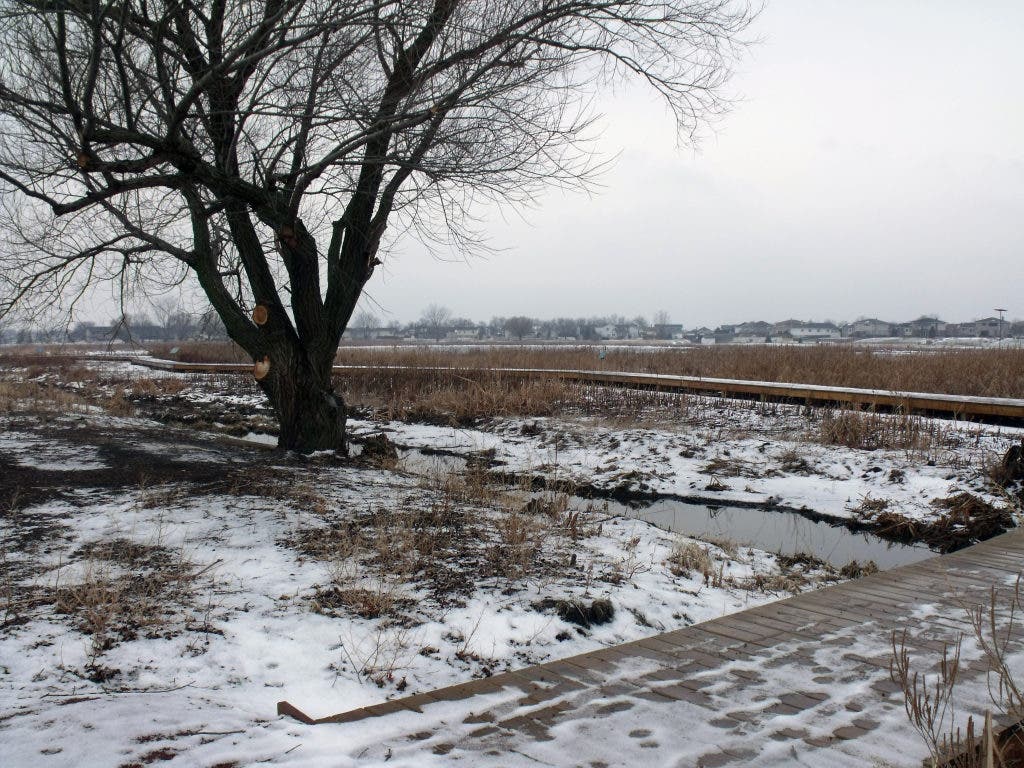


Next week, the will receive the 2010 Environmental Protection Agency and Chicago Wilderness Conservation and Native Landscaping award for its work at .
But the award is not just another plaque on the wall for the park district. Rather, the recognition is proof of the district’s commitment to the community to make the most of the natural and recreational resources available, said executive director Jim Randall.
“The awards are nice, but they’re really a vehicle for making people aware of what we’re doing," he said. "People aren’t as exposed (to nature) like they used to be."
Find out what's happening in Frankfortfor free with the latest updates from Patch.
The EPA and Chicago Wilderness award specifically recognizes the district’s effort to create or redevelop “green infrastructure” in and around the Island Prairie Park Nature Center and Interpretive Garden, which sit on a 2.5-acre parcel next to the administration building.
Funded in part by a grant from the Department of Natural Resources Open Space and Land Acquisition Development, the garden’s path connects to a boardwalk and walking trail in the other 75 acres of open space and wetlands that make up Island Prairie Park.
Find out what's happening in Frankfortfor free with the latest updates from Patch.
The nature center itself features a year-round greenhouse where last year Beautification supervisor Julie Arvia and her staff produced more than 30,000 native plant plugs, which went back out in various park district sites in 2010.
“We had been seed collecting and redistributing seed into our natural areas,” said Arvia, “but until we got the greenhouse and could stratify the seeds over the winter, we couldn’t grow our own plugs.”
Stratifying seeds involves tricking the seed into thinking it went through the winter and can begin sprouting, allowing Arvia and her staff to plant it inside in the plug forms.
Working with Lorrie Cerkvenik, the former grower for Possibility Place Nursery in Monee, Arvia’s seed stratification project has not only saved the park district money, but it allows the park to recycle and reuse its own established plants to expand the native habitats.
The Interpretive Garden across the parking lot from the nature center highlights the four primary native habitats originally found in this area and allows visitors to explore them through plantings and interpretive signs. Designed by landscape architect Ryan Templeton, the garden was initially planted with 72 mature native Illinois trees, 179 native shrubs, 16,830 native plant plugs and 1.5 acres of native seed mix. Arvia and her staff will add to those numbers each year.
“We’ve seen a big increase in native birds and insects, which is a real benefit to the area’s ecosystems since insects are at the bottom of the food chain,” Arvia said.
The other key piece of creating green infrastructure is providing natural ways to deal with storm-water run off and keep the aquifier clean, Arvia explained. The bioswale that runs along the east side of nature center is designed to do just that, between its grading and landscaping with the native plants that allow the water to be absorbed into the soil and prevent soil erosion.
What most people don’t realize, she said, is that all of the water run off in this area eventually goes back into the Hickory Creek watershed, which ultimately is the source of our drinking water. Area residents have a vested interest in keeping the water clean and “going green” even if they don’t realize it.
“We’re trying to promote a better awareness in the community about natural areas and the need for natural areas," Randall said. "That’s why we have a nature center and a naturalist. That’s the key to keeping the parks viable in the long term."
Randall and other park representatives will travel to the Chicago EPA office on Jan. 28 to receive the award.