Business & Tech
Home-Heating Season's Approaching in Geneva
Now is the time — before the cold sets in — to have your furnace checked, your chimney swept and other preparations for a Midwest winter.


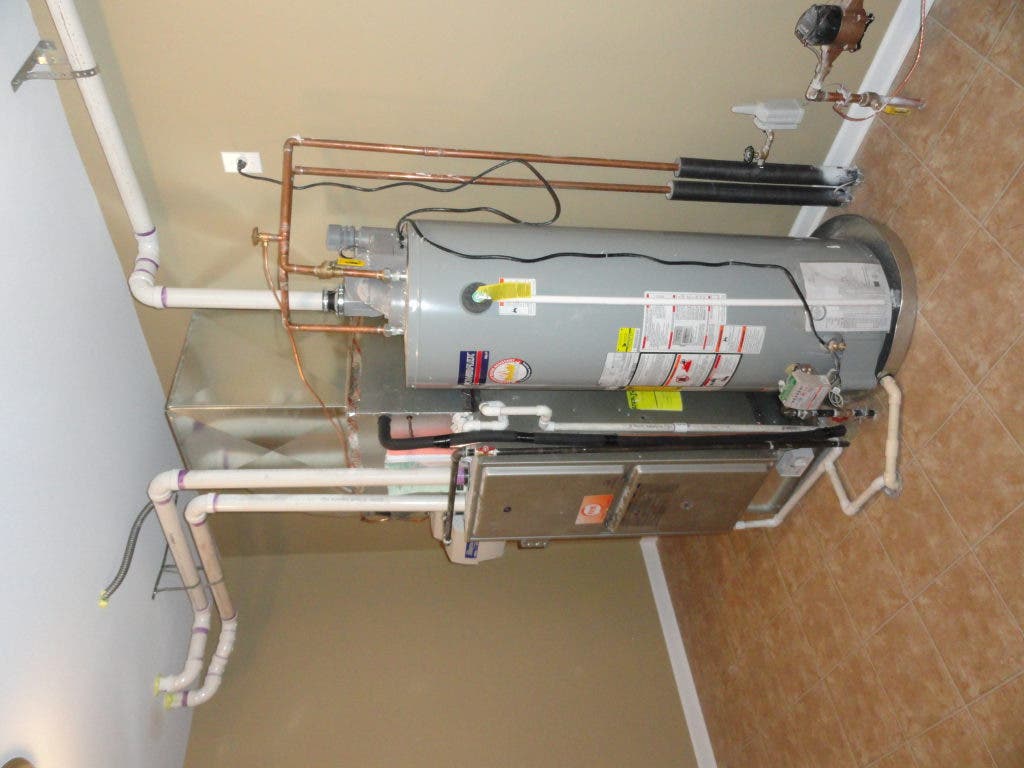

Summer is over, there’s a chill in the night air and trees are just beginning to shed their leaves. The home-heating season is upon us, and local heating and furnace businesses say now is the time to get your furnace checked in preparation for a warm — and safe — winter.
Why get your furnace checked now?
“There are a number of reasons,” said Mark Conro, owner of Conro Heating & Air Conditioning, 7N264 Stevens Road, St. Charles. “Maintenance is one — just like a car, maintenance ensures the efficiency of your furnace when it’s operating and, more importantly, safety.”
Find out what's happening in Genevafor free with the latest updates from Patch.
Furnace inspections help ensure no key parts are plugged up, that the filter has been changed and that there are no cracks in heat exchangers, said Conro, who has been in the heating and air-conditioning business for 35 years. Ensuring there are no cracks in the heat exchangers is important for a number of reasons, one of which is the prevention of carbon monoxide emissions in the home. Carbon monoxide is an invisible, odorless gas that, in sufficient concentrations, can cause severe illness and even death.
Fortunately, most homes these days have carbon monoxide detectors, he said. Still, it’s better to discover the problem before the furnace kicks on and the cold weather sets in for the season.
Find out what's happening in Genevafor free with the latest updates from Patch.
Conro, along with other eating and furnace companies in the area, said late last week the chillier nights already have folks thinking about winter’s approach. Several of the businesses said their phones have been “ringing off the hook” to schedule appointments to have their furnaces checked.
Dana VanDerHeyden, owner of Tony's Heating and Cooling, 622 W. Cedar, St. Charles, says the key isn't so much cleaning as making sure the furnace's sensors are operating properly.
"This is the best time to do it so you don't have problems at the beginning of January," he said. "Fortunately, furnaces in the last couple years have become much better. In the past, they'd usually last about 10 or 15 years. Now we're getting 15 or 20 years out of them."
VanDerHeyden recommends an inspection every two to four years, rather than annually. He says part of the advantage of working with a small, local business is that you develop trust, and you know you'll get great service at the most affordable price.
"We're locally owned, and we don't work on commission, so we don't try to sell you something you don't need. Being a smaller shop, our overhead is lower, so our prices tend to be a little more reasonable."
Scott Milas of Mendel Plumbing & Heating, 3N640 17th St., echoed much of what Conro had to say.
"We look for cracked heat exchangers and the faceplate ... make sure the burners are burning smoothly," Milas said. We also check on the amps for the blower motor, see if it needs lubrication unless it's a sealed unit. A lot of older furnaces have belts, so we check those as well."
Milas said there are steps the homeowner can take to extend the life of a furnace, as well:
- Clean/change your furnace air filter more than twice a year.
- Check your humidifier to ensure there is water flowing into it and replace the pad inside as well.
But there are other things to consider for home heating season include considerations for both fireplaces and space heaters.
Chimneys should be swept and checked, space heater should be tested as well.
The National Fire Protection Association states that more than half of all home heating equipment fires occur from December through February, and offers these tips to stay safe:
- Keep anything that can burn at least three feet away from heating equipment, like the furnace, fireplace, wood stove, or portable space heater.
- Have a three-foot “kid-free zone” around open fires and space heaters.
- Never use your oven to heat your home.
- Have a qualified professional install stationary space heating equipment, water heaters or central heating equipment according to the local codes and manufacturer’s instructions.
- Have heating equipment and chimneys cleaned and inspected every year by a qualified professional.
- Remember to turn portable heaters off when leaving the room or going to bed.
- Always use the right kind of fuel, specified by the manufacturer, for fuel burning space heaters.
- Make sure the fireplace has a sturdy screen to stop sparks from flying into the room. Ashes should be cool before putting them in a metal container. Keep the container a safe distance away from your home.
- Test smoke alarms monthly.
Get more local news delivered straight to your inbox. Sign up for free Patch newsletters and alerts.