Health & Fitness
Is My Older Dog’s Behavior Normal Aging or Something More?
AnimalSense Canine Training & Behavior Trainer Sam Rosen educates us about Canine Cognitive Dysfunction Syndrome and the symptoms to look for in your older dog.
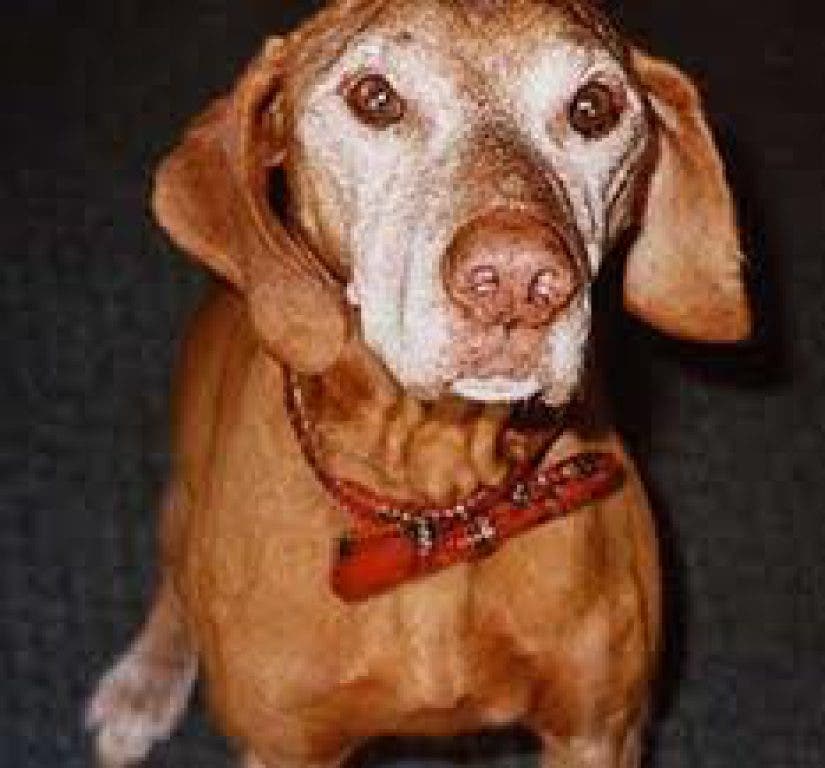
Have you noticed the older dog in your life having difficulty navigating the backyard or getting stuck in a corner of the kitchen? Perhaps an older dog who hasn’t had an accident in the house since their house training puppy days is now having frequent accidents. Occurrences such as these and many other changes in behavior in older dogs may be attributed to Canine Cognitive Dysfunction Syndrome (CDS).
CDS, a progressive condition quite similar to Alzheimer’s in humans, is related to the aging process of the brain which leads to changes in behavior, memory, awareness and learning. CDS is a degenerative disease and is not considered the “normal” aging process.
Symptoms
Find out what's happening in Glenviewfor free with the latest updates from Patch.
While a dog might be exhibiting one of many of the traditional symptoms of CDS, owners are encouraged to visit their veterinarian to rule out other health issues that may be the effecting the dog. It’s recommended that if an owner is noticing two or more symptoms, they should visit their veterinarian for an exam.
Think “DISH” when thinking about CDS symptoms:
Find out what's happening in Glenviewfor free with the latest updates from Patch.
-
Disorientation
-
Interaction changes
Sleep changes
House soiling
Although a veterinarian’s diagnosis of CDS can be devastating to the owner, the good news is there are many things that can be done to treat the symptoms and possibly slow down the progression of the disease.
Treatment:
- Healthy diet, high in antioxidants
- Vitamin E, Vitamin C, L-Carnitine, Alpha-lipoic acid
- Other antioxidants from fruits and vegetables that are rich in flavonoids and carotenoids
- Omega-3 fatty acids
Physical and Mental Exercise/Stimulation – “If you don’t use it, you lose it!”
- Low-key training class
- Developing a daily routine
- Playing with toys
- Learning new tricks
- Learning hand signals
- Visits with dog-friendly pets
- Visits to meet new people
- Playing interactive puzzle games
Anipryl
- This pharmaceutical drug has been shown to improve symptoms of CDS and increase the quality of life for senior dogs.
While it is unlikely CDS is totally preventable, owners can take steps to decrease the risk of their dog developing CDS. There is a variety of actions that owners can do to improve the quality of life for their senior dog. Having an active, healthy lifestyle filled with mental stimulation could increase the chance that your senior dog can happily enjoy their golden years!
If these symptoms sound familiar, (don’t panic!) and visit your veterinarian for an exam.
For more information visit these resources:
Have you experienced CDS with your dog? Share your experience here.
AnimalSense Canine Training & Behavior offers group dog training classes at Glenview Animal Hospital and private in-home training throughout the North Shore.