Politics & Government
City Eliminates Vehicle Stickers, Extends Coronavirus Emergency
As economic relief during the COVID-19 pandemic, the Highland Park City Council repealed the requirement residents buy vehicle stickers.


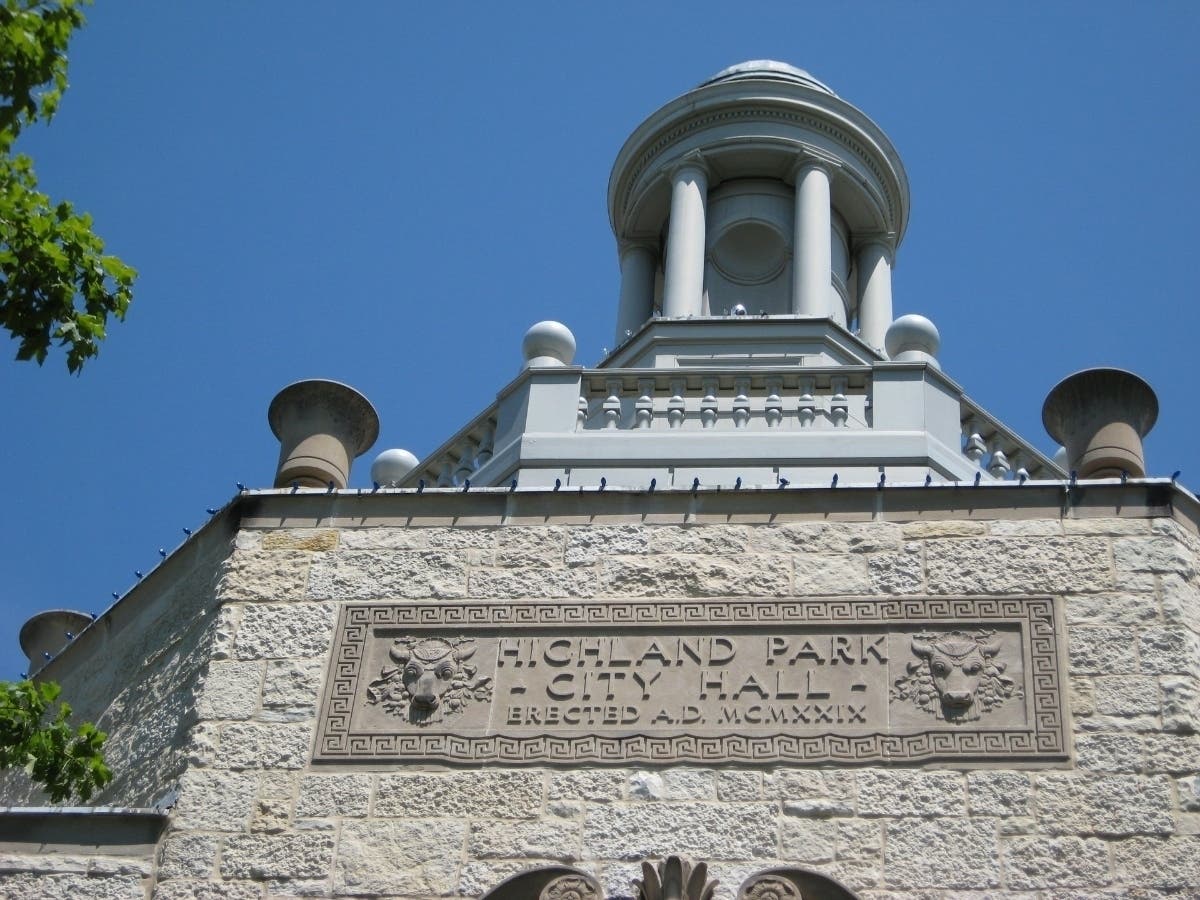
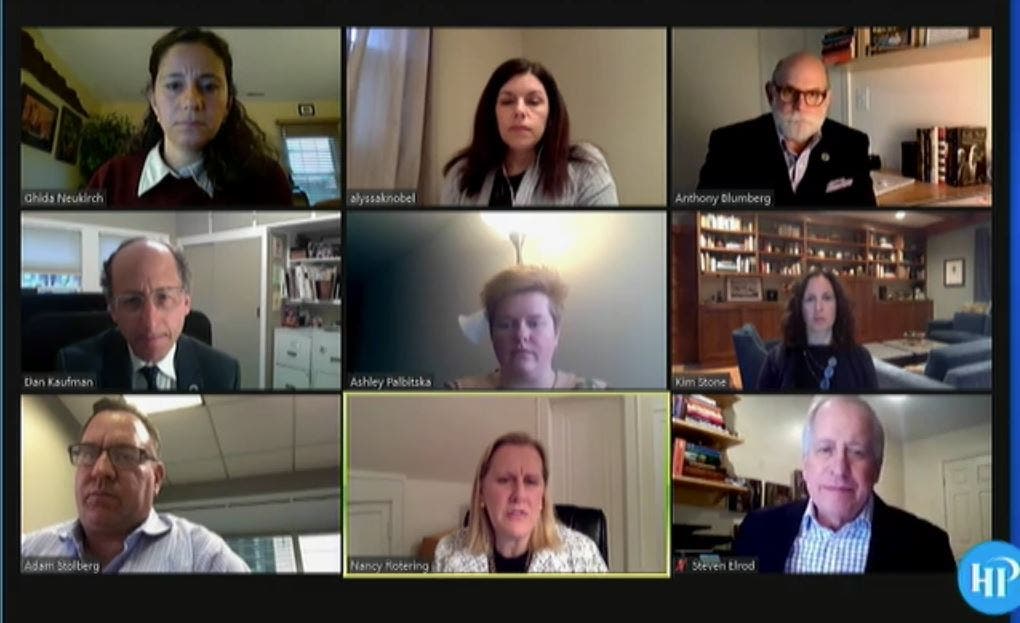
HIGHLAND PARK, IL — The City Council voted unanimously Monday to extend the local state of emergency in Highland Park through the end of May. At a remotely conducted meeting, councilmembers also voted to get rid of the city's vehicle sticker program. The measure is intended to provide economic relief to residents "as a result of significant negative impact on individuals due to COVID-19," according to city staff.
Mayor Nancy Rotering thanked community members for their patience and essential employees for putting their lives on the line to perform their jobs during Gov. J.B. Pritzker's stay-at-home order.
"Working together, we are literally saving lives. We've been challenged and we are rising to the occasion as we work to stop the spread of COVID-19, but I can tell you our work is not done," Rotering said. "Everybody's efforts are making a difference, and while the number of cases in Highland Park continues to rise, the rate of that rise is slowing down to about five new cases a day."
Find out what's happening in Highland Parkfor free with the latest updates from Patch.
The repeal of the vehicle sticker requirement means residents and businesses will not be subject to fines in October if they have neglected to purchase stickers from the city. Those who already purchased the stickers for this year will not get refunds, according to a release from the city.
"Discontinuing vehicle sticker sales this year will provide an immediate economic benefit to residents and business owners," City Manager Ghida Neukirch told Patch in an email after the meeting. "We are exploring other opportunities and balancing the challenges that we know our residents and businesses are experiencing with decreases in revenue to the City's budget that we anticipate as a result of the pandemic."
Find out what's happening in Highland Parkfor free with the latest updates from Patch.
Illinois Coronavirus Update April 28: Don't miss updates about precautions in the Highland Park area as they are announced. Sign up for Highland Park Patch news alerts and newsletters.
City officials said they plan to make up for the $1.1 million in lost revenue from sticker sales by increasing property taxes during fiscal year 2021.
The tax increase will amount to about $82.50 for the owners of an average $500,000 home, which comes out to an overall savings of $27.50 for households that own two passenger cars.
Abolishing vehicle sticker sales also cuts operational costs for the city, although since they had been used as parking permits for access to Highland Park beaches, park district staff will also have to find a new way of confirming residency in the 2021 season, according to the release.
The City Council's April 27 vote to cut the sticker program followed a move earlier in the month to grant $11,500 in financial relief to tenants in city own properties. The city also temporarily suspended the sale of parking permits and dog licenses.
According to the Lake County Health Department, more than 160 residents of Highland Park and Highwood have tested positive for COVID-19 as of Tuesday afternoon. It was not clear how many residents of either town had died. That's because neither the county health department nor the coroner are keeping track and the Illinois Department of Public Health has refused to release the data, according to responses to public records requests.
Rotering said the city has been closely coordinating with state and county authorities. She pointed out the governor's extended stay-at-home order, which includes a requirement that those over age 2 wear face coverings in some public places, effectively continues a requirement the city had already put in place. Despite an apparent decline in infection rates, the mayor cautioned against relaxing social distancing and other precautions aimed at stemming the viruses spread.
"I want to be really clear: Now is not the time to get complacent. All of the hard work we've been doing over these last seven weeks is helping to reduce the load on our health care system, and hopefully slow the spread of infection," Rotering said at the April 27 meeting. "But this is a marathon, it's not a sprint, and I know that our community cares deeply about each other, and that care and concern need to continue so we may be together again in the future."
Get more local news delivered straight to your inbox. Sign up for free Patch newsletters and alerts.