Politics & Government
Lower Speed Limit On Green Bay Road Rejected By Council
The Highland Park City Council voted 5-0 to deny a resident's petition to lower the speed limit to 30 mph in front of his new house.


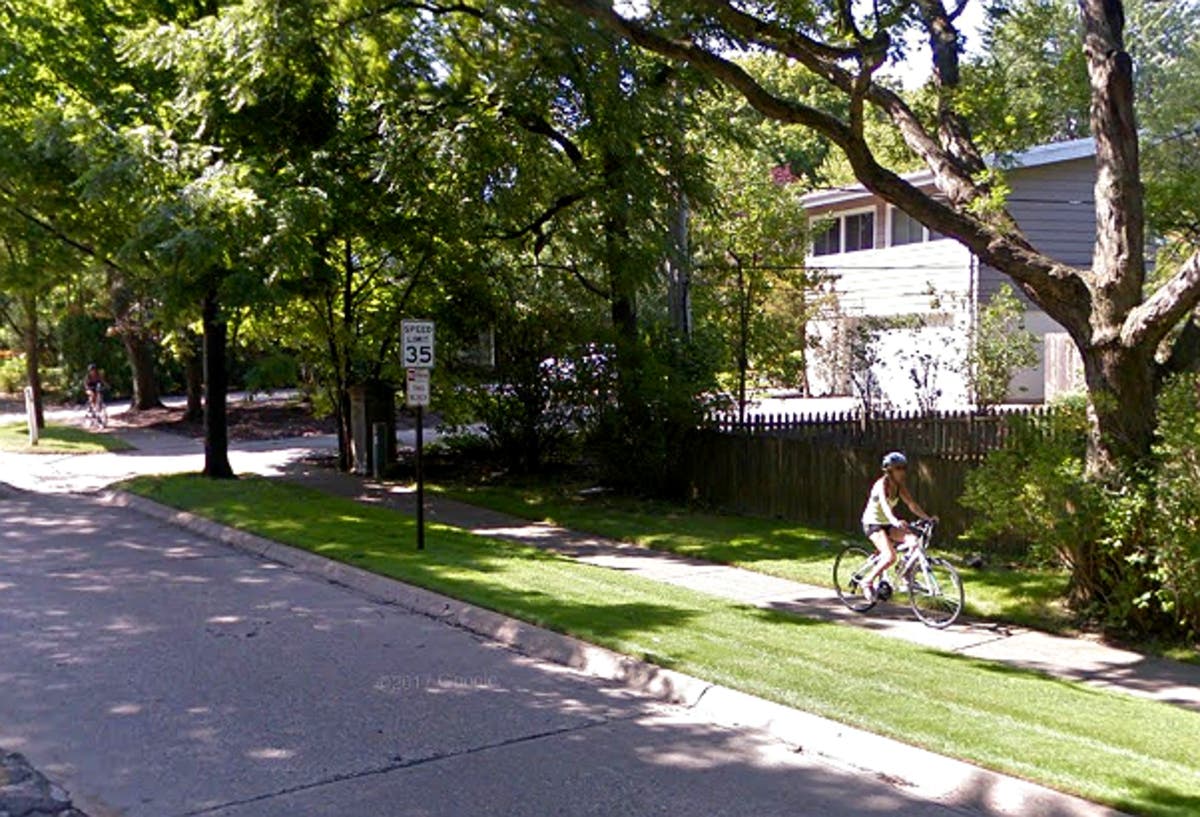
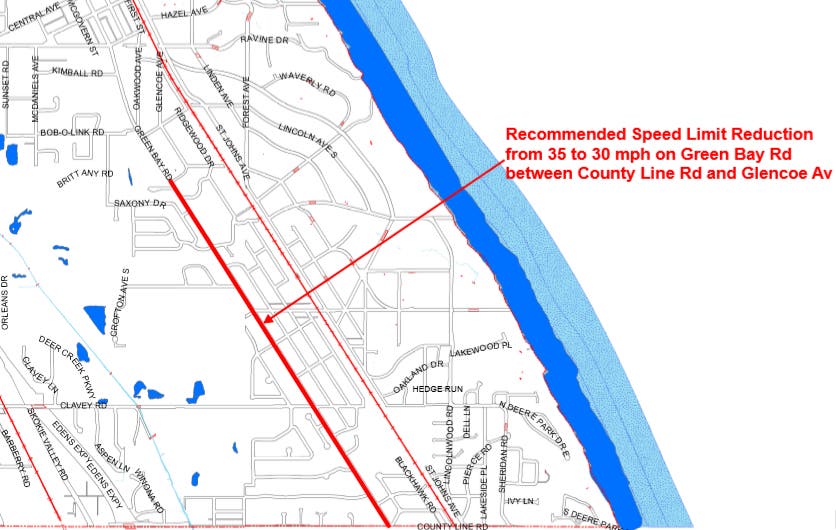
HIGHLAND PARK, IL — The Highland Park City Council rejected a proposal to lower the speed limit on Green Bay Road south of Glencoe Avenue to 30 mph. The city's transportation commission had voted 4-2 to recommend the reduced speed after a new resident along the road collected more than a hundred signatures in support of cutting the maximum speed by 5 mph. The council voted 5-0 Monday against changing the speed limit, with Councilman Michelle Holleman absent.
Matthew Vander Kooy told the Council he moved to Highland Park last June with a young family. He said the minor reduction in speed was aimed at helping create a safer community for bikers, pedestrians and residents without ruffling any feathers.
"It's not revolutionary. It's not going to change anything, but I think it will affect just that small percentage, that 15 percent. It won't affect traffic, it won't affect congestion, it won't affect, it won't affect you from getting out of your driveway in any way," he said.
Find out what's happening in Highland Parkfor free with the latest updates from Patch.
In August, Vander Kooy first came to city staff to present his proposal for lower speed limit. He met with the traffic management committee, which consists of a mix of staff from the police department, city manager's office and public works department. Staff told him he would need to circulate a petition among residents in order to determine if there was any support for his proposal.
So he did. Vander Kooy, who lives on Green Bay Road, visited every one of the 176 households along the impacted portion and said he registered overwhelming support for his suggestion.
Find out what's happening in Highland Parkfor free with the latest updates from Patch.
Of the signatures he collected, 103 of 105 residents endorsed the lower limit, according to a memo from city staff to the the Council.
In January, he returned to the traffic management committee, which did not find the proposal would negatively impact traffic flow or public safety and recommended it to the transportation commission.
Later that month, the transportation commission held a public hearing about the change. Vander Koy and another supporter of the lower limit showed up, and no one opposed to the reduction attended, according to minutes.
City's traffic engineer Joe Pasquesi told the Council staff had conducted some research into the traffic patterns and some studies of the possible effects of adjusting the speed limit. He said the average speed was under 35 mph and 85 percent of all its traffic is below 39 mph along the 1.7 mile stretch of road.
"There are relatively few preventable crashes caused by speed" in the area, and "lowering the speed limit with not significantly affect the mobility or safety on this section of Green Bay Road," Pasquesi said. The speed limit change would add about an extra 30 seconds to travel times, he said.
After the transportation commission recommended the change and set out notices to more nearby residents, the public's response was not unanimously positive. Pasquesi said there were 20-30 emails opposed to the change.
"We have received many, many emails on this subject – initially, many in favor and then many against," said Councilman Daniel Kaufman, presiding over the meeting in Mayor Nancy Rotering's absence.
Two residents opposed to the change spoke at the March 12 meeting.
Donald Singer, of the 300 block of Green Bay Road, said he had walked a small dog along the road for 13 years and never had a problem.
"I was wondering if there were any pedestrian accidents in the statistics," he said, suggesting Vander Kooy could find a better cause to which to devote his energies.
"I have heard absolutely no facts, none at all, I haven't even heard any 'alternative facts'," Singer said, "to suggest that this would be in the public interest."
Each member of the council thanked Vander Kooy profusely for his civic engagement, encouraging him to stay involved in local issues, as they explained why they were rejecting his suggestion.
Longtime Green Bay Road resident and observer Ramona Choos said no one consulted her about changing the speed limit. She said nothing would be gained by cutting the speed limit.
"It's a very safe street. I brought up my family on it. We had no accidents," she said, predicting people would soon be travelling faster on Green Bay Road on bicycles than in automobiles.
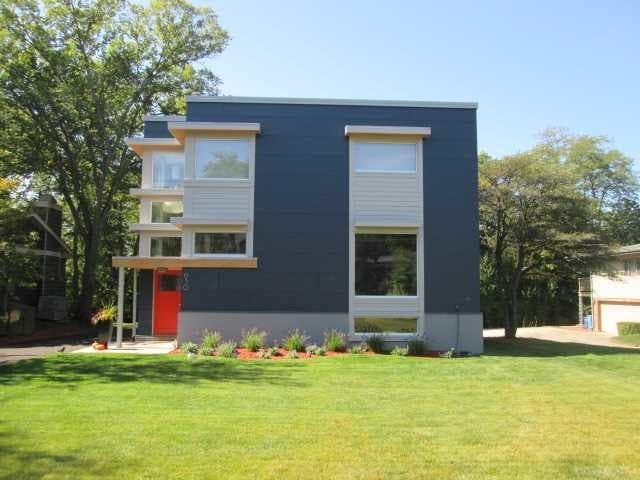
She suggested Vander Kooy should consider building a fence around his home or surrounding it with trees because it "stands out like a sore thumb" and "doesn't match the type of architecture we have here in Highland Park."
Councilman Alyssa Knobel told Vander Kooy the Council heard support from the community for keeping the 35 mph speed limit.
"We heard from them in droves," she said. "These are your neighbors as well, and they're saying, 'Please don't do this.'"
She said first wondered why it had become an issue when she heard about the proposal.
"Do we have a problem? Did someone die?" Knobel asked. "Did someone have a big car accident that we didn't know about?"
Councilman Adam Stolberg said Vander Kooy presented his proposal through the proper channels, as every resident has the right to do.
"I am also not in favor of it, but I hope that doesn't discourage you from being a contributing member of our community and keep bringing, you know, ideas and things that are important to you to the community," Stolberg told Vander Kooy.
Councilman Kim Stone said there was no compelling argument, like a history of accidents, on slowing down one of the few north-south arterial roads in Highland Park.
"And I also think, because of the width of the road, that people may not actually follow the new speed limit," Stone said. "It might become an enforcement problem."
Councilman Tony Blumberg said anytime traffic patterns are adjusted, "you run the risk of periods of accidents, you have enforceability issues and that's problematic." He said there was not enough of a compelling reason in this case.
"Although I have to agree with you," he told Vander Kooy, "Obviously any reduction, even by a mile an hour in speed theoretically, would allow some greater opportunity for one's reflexes. But there hasn't been any evidence of any real danger on the street."
Get more local news delivered straight to your inbox. Sign up for free Patch newsletters and alerts.