Neighbor News
Birches' Dementia Education Series Demystifies Relationship between Dementia and Depression
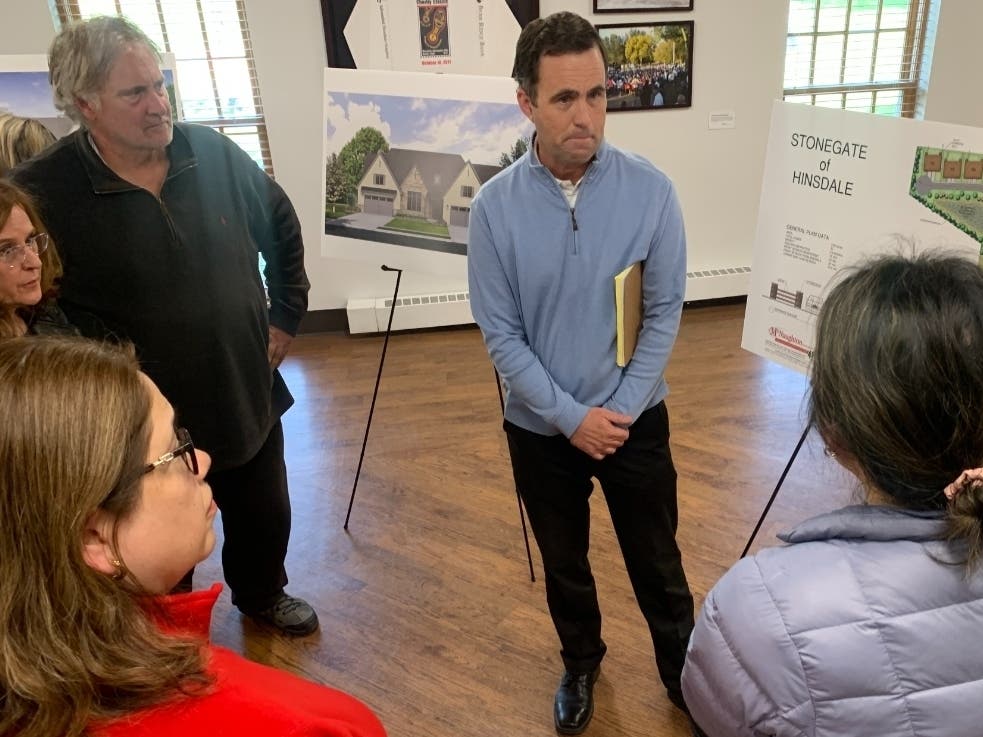
Neuropsychologist Neal Bowen was the second speaker in The Birches Assisted Living's fall Dementia Education Series.

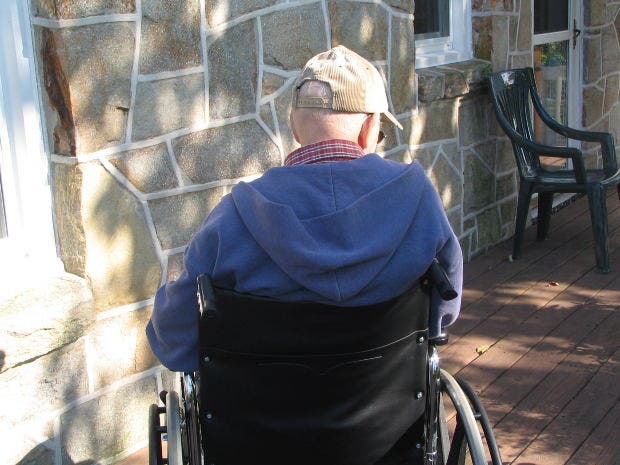
Apathy, poor concentration, social withdrawal— all of these could be caused by either depression or dementia, leaving many people to wonder what’s really to blame when these symptoms appear in their elderly loved ones. On October 21, Neuropsychologist Neal Bowen visited The Birches Assisted Living in Clarendon Hills and provided clarity to concerned caretakers and family members through his presentation “Is It Dementia or Depression?”
Bowen’s presentation, which was part of The Birches’ fall Dementia Education Series, explained how healthcare providers differentiate between dementia and depression and clearly defined each condition for the audience.
While depression is defined as a mood disorder that causes feelings of sadness and hopelessness, dementia is defined as a loss of intellectual ability that interferes with daily living. Both conditions, share several overlapping symptoms, like those mentioned above, as well as symptoms such as a loss of interest in activities and hobbies, impaired thinking and isolation.
Find out what's happening in Hinsdale-Clarendon Hillsfor free with the latest updates from Patch.
In addition to the fact that depression and dementia share many overlapping symptoms, it’s not uncommon for both conditions to occur together, making the diagnosis process even more complicated, says Bowen. In fact, the Alzheimer’s Association reports that 40 percent of people with Alzheimer’s disease also have depression.
“It’s often a convoluted diagnosis,” said Bowen. “If somebody is suffering from dementia, depending on their awareness of that, depression is usually lurking in the shadows.”
Find out what's happening in Hinsdale-Clarendon Hillsfor free with the latest updates from Patch.
Conversely, says Bowen, people with depression often experience impaired memory functioning, and those who suffer from depression consistently over the course of their life are more likely to show organic change in their brain later in life, which can express itself in the form of dementia-related memory loss.
In addition to distinguishing between the two conditions, Bowen also provided the audience with treatment options. One option, says Bowen, is to seek the help of a professional who can perform neurocognitive testing and develop a treatment plan.
“There are resources out there for treatment and neither condition is supposed to go untreated,” said Bowen. “I want people to not only recognize when their brains aren’t recalling things the way they used to, but also to know what they can do about it.”
The Birches Assisted Living in Clarendon Hills offers professional services to support the physical, social, intellectual and spiritual growth of the older adults who make it their home. The Birches offers purposeful programming and activities designed to promote a healthy aging lifestyle and a strong sense of community. For more information about The Birches, call 630-789-1135 or visit: birches.net.