Politics & Government
Feds Sue Hinsdale Over Fair Housing
Village's effort to close sober living house violates Fair Housing Act, feds say.


HINSDALE, IL — Hinsdale is facing a powerful adversary in its effort to close a house that helps men with addictions — the U.S. Justice Department.
On Tuesday, the federal government sued Hinsdale, one of Chicago's wealthiest suburbs, and alleged the village violated the Fair Housing Act in its handling of the sober living house.
Reached by phone, Village President Tom Cauley, who is mentioned frequently in the lawsuit, declined to comment, but would not say why.
Find out what's happening in Hinsdale-Clarendon Hillsfor free with the latest updates from Patch.
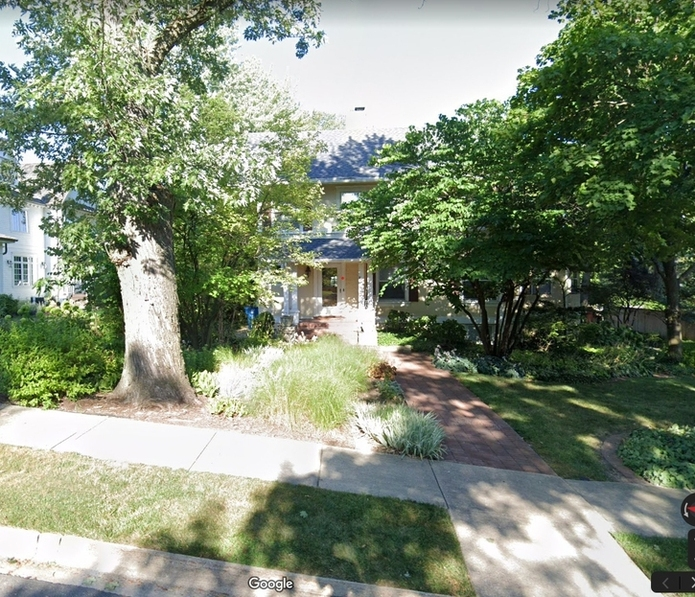
In July 2019, the Trinity Sober Living House opened at 111 N. Grant St. Neighbors started complaining before it opened.
Last August, the village called for the house's closure. Officials said the sober living house was a commercial operation in a residential neighborhood.
Find out what's happening in Hinsdale-Clarendon Hillsfor free with the latest updates from Patch.
The village also argued that with 10 people, the house violated the village's rule for single-family zones — no more than three unrelated people in a house.
After finding out earlier this month that a federal lawsuit would be filed, village officials dropped the argument about the house being a commercial operation, the lawsuit said. But it stuck to its ban on more than three unrelated people in a house.
According to the lawsuit, on July 13, 2019, a Hinsdale resident emailed Cauley about the plan for the sober living house. The resident said neighbors were "very worried" about "having people with these issues living as a group in our neighborhood. Any restrictions on this within proximity to Monroe Elementary?"
Neighbors also approached Michael Owens, the house's founder. One accused Owens of bringing "alcoholics, drug addicts and pedophiles into our neighborhood."
Amid the uproar, Cauley wrote Owens on July 18, saying it had come to his attention that Trinity bought the property and intended to use it for 10 unrelated people. Cauley, an attorney, called it a "prohibited use," but did not refer Owens to the "reasonable accommodation" process under the Fair Housing Act, the lawsuit said.
Owens asked to meet with Cauley, but got no response. Instead, he had a July 30, 2019, meeting with the village's attorney, Lance Malina, and two other top village officials. He gave them a tour of the house and told them the house would not admit sex offenders.
At the close of the meeting, Malina told Owens about the reasonable accommodation process, which is intended for groups with disabilities, including those with addictions.
In a later email, Owens asked whether he could have up to three residents in the meantime. Malina said he could not because the house was being marketed commercially.
Days later, the village held a meeting of Hinsdale residents to share what officials were doing about the sober living house. Trinity was not invited, according to the lawsuit.
Shortly after, Cauley sent a letter addressed "Dear Residents," stating the village saw the sober living house as a prohibited use. The letter was not sent to Trinity, which learned about it more than a month later, according to the lawsuit.
On Aug. 7, Trinity's attorney, Steve Polin, sent a letter seeking a reasonable accommodation for the house under the Fair Housing Act.
Contrary to the village's practice, the administration did not forward the reasonable accommodation request to the Village Board, the lawsuit said. Instead, the next day, the village sued Trinity in DuPage County Court. As part of that litigation, a judge in June eliminated the limit on people in the house, citing the federal investigation, which Patch had written about.
According to the lawsuit, Hinsdale's argument that Trinity was a commercial operation and thus prohibited would essentially ban all group homes for people with disabilities.
"This is because, for most group homes, the residents pay rent, the agency operating the group home receives compensation for the care and services being provided, most residents must attend employment or day services programs during the day, and residents are monitored by the provider agency."
Even under the village's new position, the lawsuit said, only the smallest group homes would be allowed.
During the county court proceedings, the village did not inform the judge that it received or intended to consider a reasonable accommodation request, according to the federal lawsuit.
In a September 2019 interview, Village President Tom Cauley told the Hinsdalean that the village's effort involved no fair housing violations. Trinity is in a zone where no more than three unrelated people can live in a house. Cauley told the Hinsdalean that "if we had 10 nuns living there, we would have a problem under the zoning code."
The village's attorney, Malina, did not return a call for comment.
Get more local news delivered straight to your inbox. Sign up for free Patch newsletters and alerts.