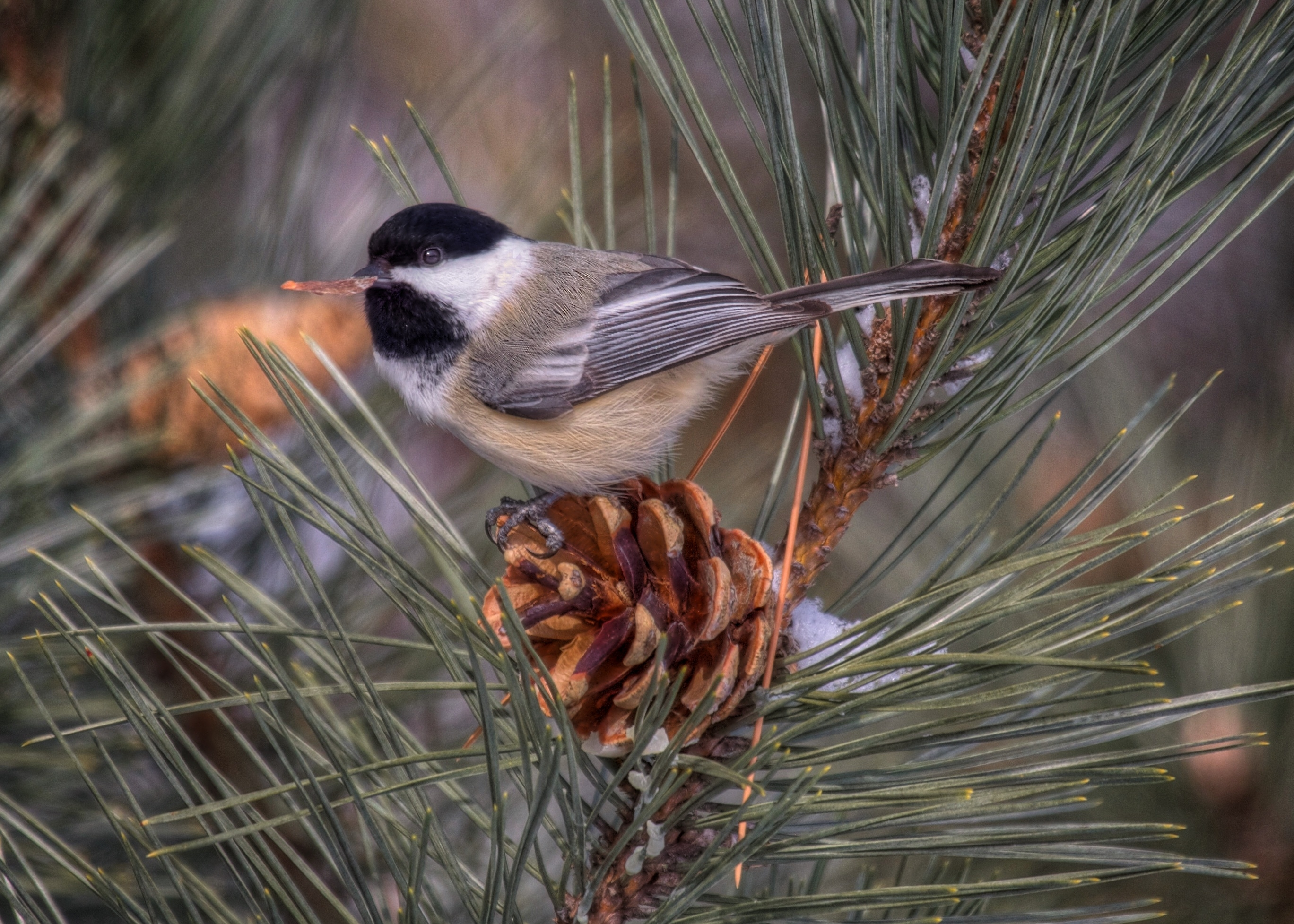
With the days growing shorter and colder, one thing is for sure: winter is coming. This season is dreaded among many people for the lack of sunshine, color and living things outside. Your garden, however, can still be beautiful to look at during the winter. Four-season gardening is possible with a little bit of planning to use texture, color and movement in a normally grey and brown landscape.
It is easy to plan your landscape based on a flower’s shape, size and color during the warm spring and summer months. When planning your winter garden, you need to take these same features into consideration. The color of a tree’s bark or an evergreen’s needles can impact the scenery just as much as a bright yellow daylily can. The shape of the boxwood or tree can add structure to a bare landscape just like a tall canna lily does. To figure out what your landscape needs to attract attention in the winter, you will need to start planning in the spring.
Start by taking a look at your yard. Does your eye linger on what you have planted? Or do you simply gaze over the landscape, only stopping to look at blooming flowers? Looking at your garden will help show you where you’re lacking. Once you have identified what you need to add to your yard, use some of the following plant suggestions and tips to create that winter interest. While winter may not become your favorite season, at least it will be more tolerable to view your beautiful yard.
Find out what's happening in Hinsdale-Clarendon Hillsfor free with the latest updates from Patch.
The first way to add interest is color. An easy way to get some color is evergreens. Blue spruce give you a consistent blue-green color all season long, as well as shrubs like boxwood which are more of a reddish-green foliage through the winter. Groundcovers like vinca minor and pachysandra stay a dark green throughout the winter, giving great contrast to the white snow or fading grass.
Planting bushes with colorful stems and twigs will help add color, too. Red-twig dogwood have red bark, so the branches are a deep red throughout the year. Planting these along with white river birch, yellow-twig dogwood and coral bark Japanese maple give you pops of color in your yard.
Find out what's happening in Hinsdale-Clarendon Hillsfor free with the latest updates from Patch.
Another way to add color is by planting bushes that have berries, fruits and cones throughout the winter months. Holly bushes not only have a dark green foliage, but red berries during the winter months. Other good plant choices include winterberries, crabapples and chokeberry bushes.
Structures in your garden can also give you color. A bright and colorful pot, bench or fence will not only give you a splash of purple or blue or even orange during those winter months, but it will help create shape and give your yard dimension during those long, cold days.
Texture is another important aspect to add to your winter landscape. Using different evergreens like arborvitae, which has a full look, to princess pines with long needle, to noble firs, which are a more tight and compact needle, will give your evergreens dimension. Also, using trees that have exfoliating bark is a great way to add texture. Exfoliating bark is just what it sounds like, bark that peels away from the tree. Trees like paperbark maple and lacebark pine create this effect.
Shape is an easy way to add interest to your garden during the winter months. Using ornamental grasses that you do not cut back in the fall will not only add height, but texture and color as well. Grasses like Karl Forester feather reed, little bluestem and switch grasses. These grasses will also provide great movement in your yard when the winter wind blows.
Another great way to get shape is using plants that have a unique outline, almost architectural in appearance. One example of this would be a weeping Japanese maple. As beautiful as it is in the summer, its leafless branches hanging in your garden can add visual interest in the winter.
Your winter landscape doesn't have to be boring. By using shape, texture, color and movement, you can create a beautiful landscape even when the branches are bare and there aren't any flowers blooming. With a little bit of planning, you can create a real winter wonderland.
Happy Planting!