Politics & Government
Hinsdale Neighborhood's Tax Hike Closer To Reality
Some residents oppose raising their taxes to pay for an all-brick street, the Village Board was told.


HINSDALE, IL – Hinsdale is on a path to increase property taxes for more than three dozen residents along Sixth Street.
The plan is for 38 residents to pay to keep their street all brick.
Late last year, the village unveiled a plan to pave Sixth Street between County Line Road and Garfield Avenue, but keep the intersections brick.
Find out what's happening in Hinsdale-Clarendon Hillsfor free with the latest updates from Patch.
Later, residents, who said they were unaware of the plan, asked for the village to pick up the bill for keeping the street all brick.
They argued the historic nature of their street benefits the entire town. And they said Sixth has gone decades without replacement, saying taxpayers' money was saved.
Find out what's happening in Hinsdale-Clarendon Hillsfor free with the latest updates from Patch.
But Village President Tom Cauley said paying the much higher costs for a brick street was unfair to other residents.
By the village's estimates, the extra cost of replacing the brick at the intersections is $800,000. Doing so for the rest of the street would cost up to $2 million.
On Tuesday, the Village Board took the first step toward setting up a tax district – officially known as a "special service area" – for the four blocks.
Under the plan, those residents would pay back the $2 million over a decade, though officials stressed that was the uppermost amount. That works out to $5,300 a year for the average house on the street, not including interest.
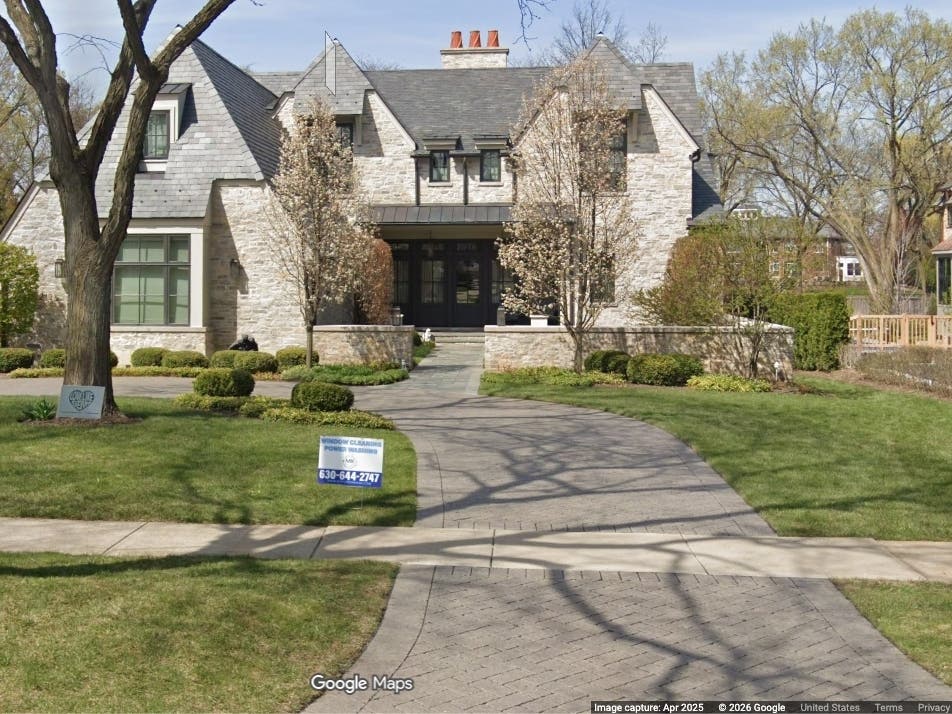
The houses are worth millions of dollars. Patch checked 15 of their tax assessments, with the values ranging from $1.2 million to $3.5 million.
At Tuesday's board meeting, Village President Tom Cauley said the makeup of the district was driven by the residents themselves. He said all 38 properties should be included. Eliminating any of them, he said, would mean others' tax burdens would rise.
"The last thing you want in a situation like this is pitting resident against resident, so I try to avoid that," Cauley said.
Bill Haarlow, a Sixth Street resident, told the board some residents did not want to be part of the tax district.
He said their reasons include philosophical objections to the village not paying for it and that they don't have driveways on Sixth.
"These are the homes we have come up with based on who owns property on Sixth Street," Haarlow said. "We feel you benefit from the street if you have property on Sixth Street."
No one showed up at Tuesday's meeting to oppose the tax district.
Following state law, the village has set a public hearing on the tax district for Dec. 17. Then residents get two months to object, ending Feb. 16. If at least 51 percent of the Sixth Street residents object, then the village is barred from creating the district.
The village plans to bid out the project in January, with results coming in mid-February.
Construction is expected to last from spring to fall next year.
Get more local news delivered straight to your inbox. Sign up for free Patch newsletters and alerts.