Schools
Hinsdale South Students Protest Disparity With Central
A student said her classmates were "steered" away from a computer course, which concerned board members.


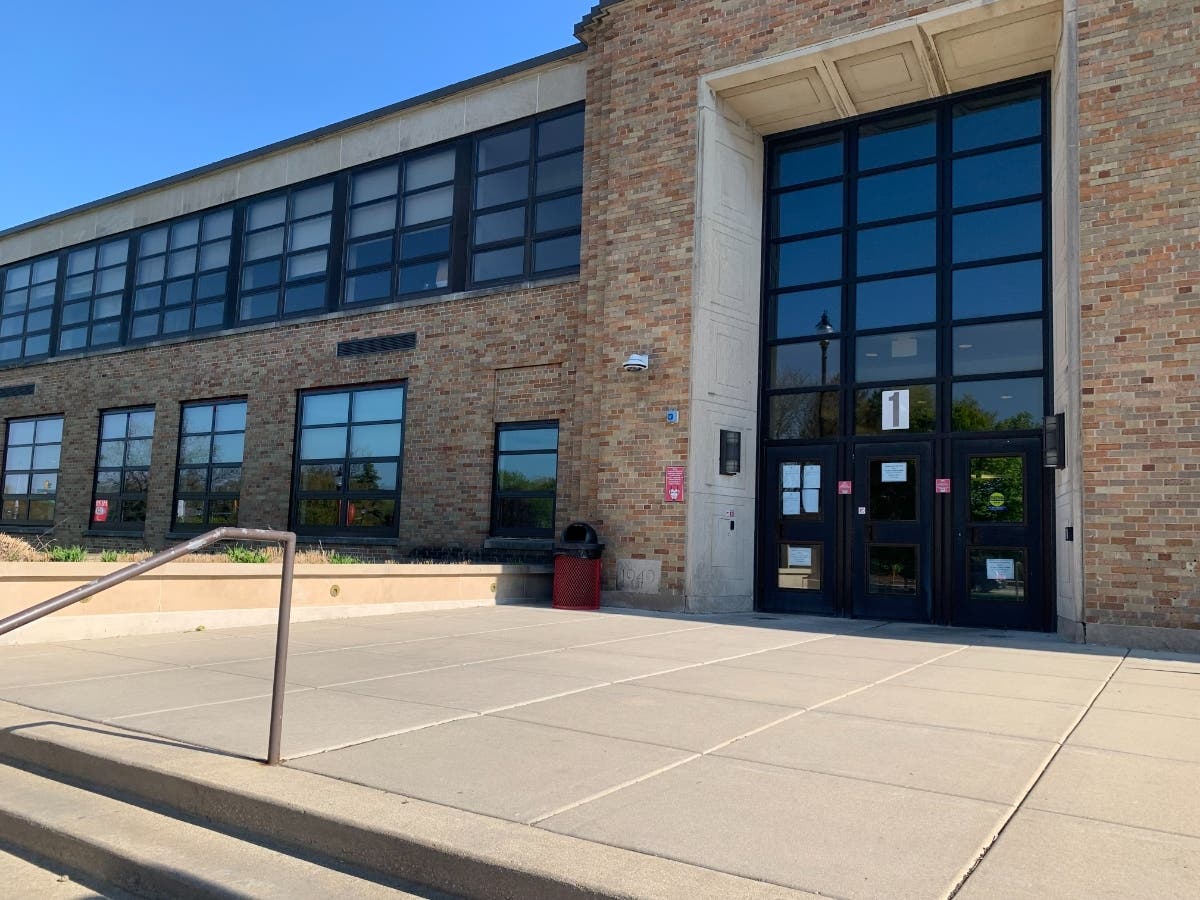
HINSDALE, IL – Hinsdale South High School students last week objected to the lack of course selection compared with Hinsdale Central.
Regardless of its majority, the school board largely avoids talking about the gap. Six of the seven members hail from the wealthier Central zone.
Because South's enrollment is half of Central's, its course selection is considerably smaller.
Find out what's happening in Hinsdale-Clarendon Hillsfor free with the latest updates from Patch.
At last week's school board meeting, three South students protested reducing the number of Advanced Placement Chemistry classes to one next year. Two classes were offered this year and three the year before, the student said.
The students said 27 students were recommended for AP Chemistry, but the classroom size only permits 24. So three were rejected, they said.
Find out what's happening in Hinsdale-Clarendon Hillsfor free with the latest updates from Patch.
"It is unfair to grant unfettered access to AP Chemistry for all qualified students at Hinsdale Central while imposing some form of a quasi-lottery at South to see who gets in," South sophomore Adolph Galinski said.
Sophomore Peyton Miller cited an Illinois law that requires a school district to offer the same opportunities to all students.
"It is wrong to allow some students to take the course they want while others are denied access to the same exact course," he said.
South junior Eva Maria Louis, who plans to major in computer science in college, said the school decided against running Computer Science Topics next year, supposedly due to low student interest.
"Nearly 20 kids approached their counselors with the intention of signing up for this course, but in the end, only five signed up because students were steered away by their counselors," Louis said. "The administration may claim a lack of interest caused only five students to enroll, but had steering not taken place perhaps the number would have been sufficient to run a section."
She said the five remaining students will be part of another computer science course. They will sit in the back of the class with no active instruction, she said.
"We can always ask for help from the teacher, but it's impossible for the teacher to teach two classes at once," Louis said.
Later in the meeting, board members Kay Gallo and Jeff Waters said they were concerned that students were being "steered" away from the course in question. Waters asked for a future board discussion on AP Chemistry to find the resources for a second class.
Acting Superintendent Chris Covino warned it would not be easy to change classes around now because schedules have been made.
"I think the students' voices are incredible," he said. "But if every time six students came in and said they wanted another course and we added (it), I think we might be in a bad spot. There is a process. People followed the process."
Board President Catherine Greenspon said the district needed to gather data, so the board could understand the problem.
Over the last couple of years, member Debbie Levinthal has proposed looking at "creative solutions" to avoid scheduling conflicts.
According to the district's data, 16.4 percent of students at South were denied one of their course selections for the 2022-23 school year. At Central, 1.5 percent of students experienced the same problem.
South residents have pushed the idea of changing the boundary between South and Central to equalize enrollments. But Central residents near the border fear their property values would plunge if they become part of the South zone.
No one on the board has expressed openness to shifting the line.
Get more local news delivered straight to your inbox. Sign up for free Patch newsletters and alerts.