Politics & Government
Rising Shortfall In Clarendon Hills Tax District: Village
An official proposed the village tighten the rules for giving businesses subsidies.


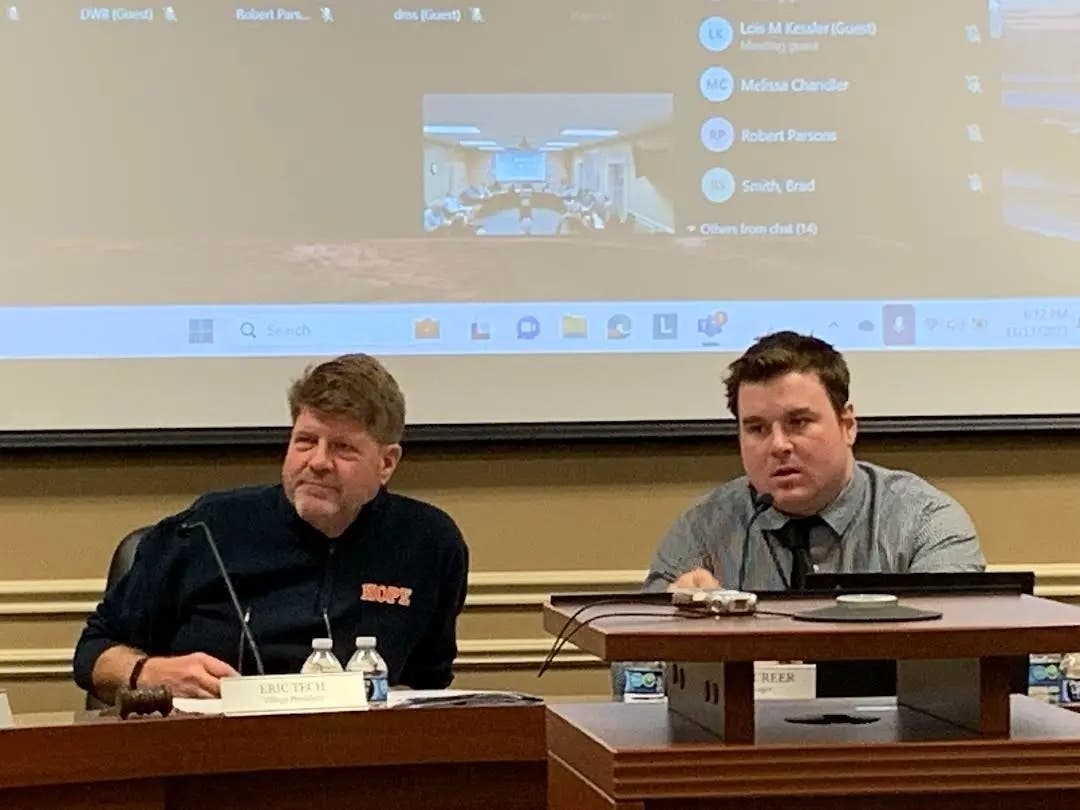
CLARENDON HILLS, IL – The shortfall in a Clarendon Hills tax district that works to spur downtown growth will likely rise to $1.8 million by year's end, an official said this week.
The deficit is largely driven by public improvements, including the Burlington Plaza, Village Manager Zach Creer said in a memo to the Village Board.
Absent major new spending, the village expects current and future developments downtown to help wipe out the deficit by 2029, Creer said.
Find out what's happening in Hinsdale-Clarendon Hillsfor free with the latest updates from Patch.
Under state law, a tax increment financing district, or TIF, is designed to stimulate economic activity. Growth in property tax income in the district is re-invested in the district itself.
In his memo, Creer proposed the village further tighten the requirements for using the district's money. He noted Clarendon Hills has already limited reimbursements for certain expenses to 50 percent, down from 100 percent.
Find out what's happening in Hinsdale-Clarendon Hillsfor free with the latest updates from Patch.
He said the district is working as designed.
"Overall, the business environment is doing very well with a strong service business base outside of Prospect Ave, and most retail spaces on Prospect Ave filled or in the process of being filled," Creer wrote. "In this respect, the TIF has been very successful."
Among the changes that Creer is pushing:
- Make clear that the village does not subsidize residential development.
- Make clear that a subsidy recipient is expected to invest at least twice as much as the village. If applicable, require the recipient to disclose any landlord concessions.
- Eliminate reimbursements for building improvements such as roofs, windows, and heating and air conditioning systems. Creer said the owner should maintain those things.
- Limit grants for service-based businesses to facades only, with a $10,000 cap.
The board may approve the changes at its meeting Monday. However, Creer encouraged the board to delay action if more research is required.
Last month, the village approved a subsidy for a downtown restaurant.
Get more local news delivered straight to your inbox. Sign up for free Patch newsletters and alerts.