Xeriscaping, pronounced zer-i-scape-ing, sounds like a complicated technical term, but really, it is simply referring to landscaping to conserve water. This not only helps the environment, but makes yard maintenance easier for the gardener.
There are two main factors when it comes to xeriscaping. The first is the amount of turf a yard has. Our lawns are beautiful to look at, but can use a lot of water to maintain. The second part to xeriscaping is choosing native, drought-tolerant plants. With these two factors coming together, you can create a landscape that needs little water and attention from you.
There are many benefits to xeriscaping in your yard, the first and most obvious being that you are saving water. Xeriscaping can reduce water use in your yard by 50% when done properly. Less watering also means less maintenance. Granted, there will still be weeds to pull and plants to prune, but you won’t have to be watering every day.
Find out what's happening in Hinsdale-Clarendon Hillsfor free with the latest updates from Patch.
As discussed earlier, one factor of xeriscaping is to use native plants. Because these plants are natural in this area, they will grow and thrive without fertilizers or other chemicals being added to them. Natives will also help attract various birds and wildlife to your garden, as they provide shelter they are familiar with.
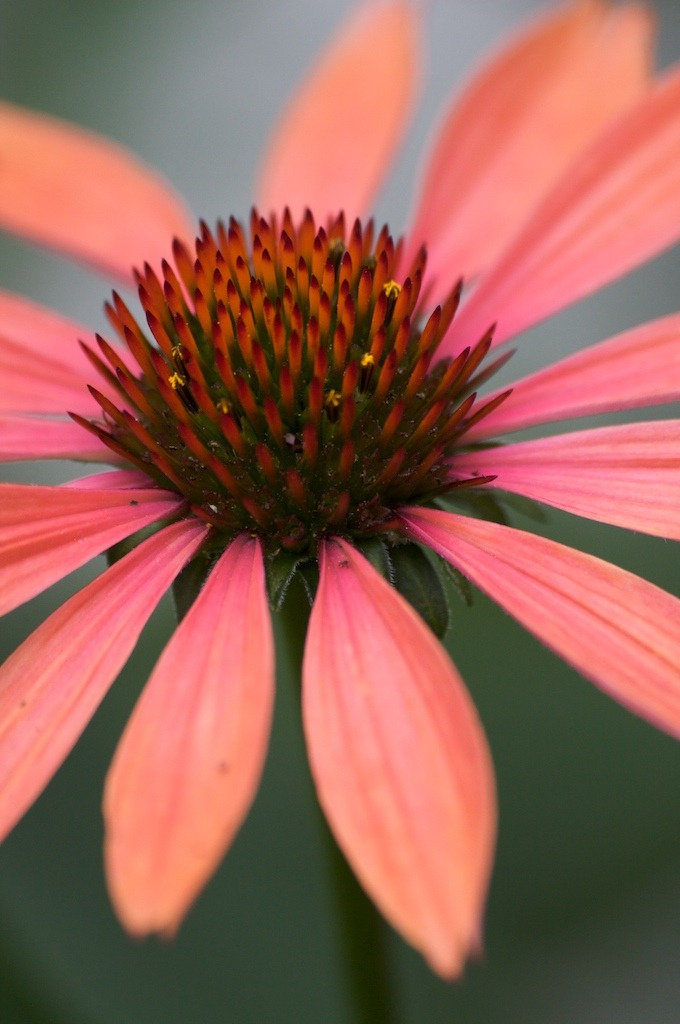
Both perennials and annuals can be used in a xeriscape. Some of the best annuals you can choose for our area are cosmos, marigolds, pentas, portulaca and vinca. There are also loads of perennials to choose from, including yarrow, asters, Echinacea, coreopsis, columbine and sedums.
Find out what's happening in Hinsdale-Clarendon Hillsfor free with the latest updates from Patch.
Xeriscaping is not just about choosing drought tolerant plants, but the layout of the landscape, as well as reducing the amount of sod in your yard. This does not mean you have to have no turf at all, but limit the area in your yard. Using an irrigation system or drip hose can help with conserving water when you water your lawn, as well as the additional plants in your yard. However, with xeriscaping, you want to be sure not to overwater. Watering at the base of the plants will help prevent this.
You can also add a thick layer of mulch to help you keep the soil moist, reducing how often you will need to water. Mulch will also help prevent weeds from growing, also helping to keep your garden low-maintenance.
When planning your garden, designing a drought-tolerant and low maintenance garden can make it more enjoyable in the long run, especially during hot summers. For more information on Xeriscaping, attend our free class on Saturday at 10:00 a.m.