Sports
Steve McMichael Posthumously Diagnosed With Stage 3 CTE: Researchers
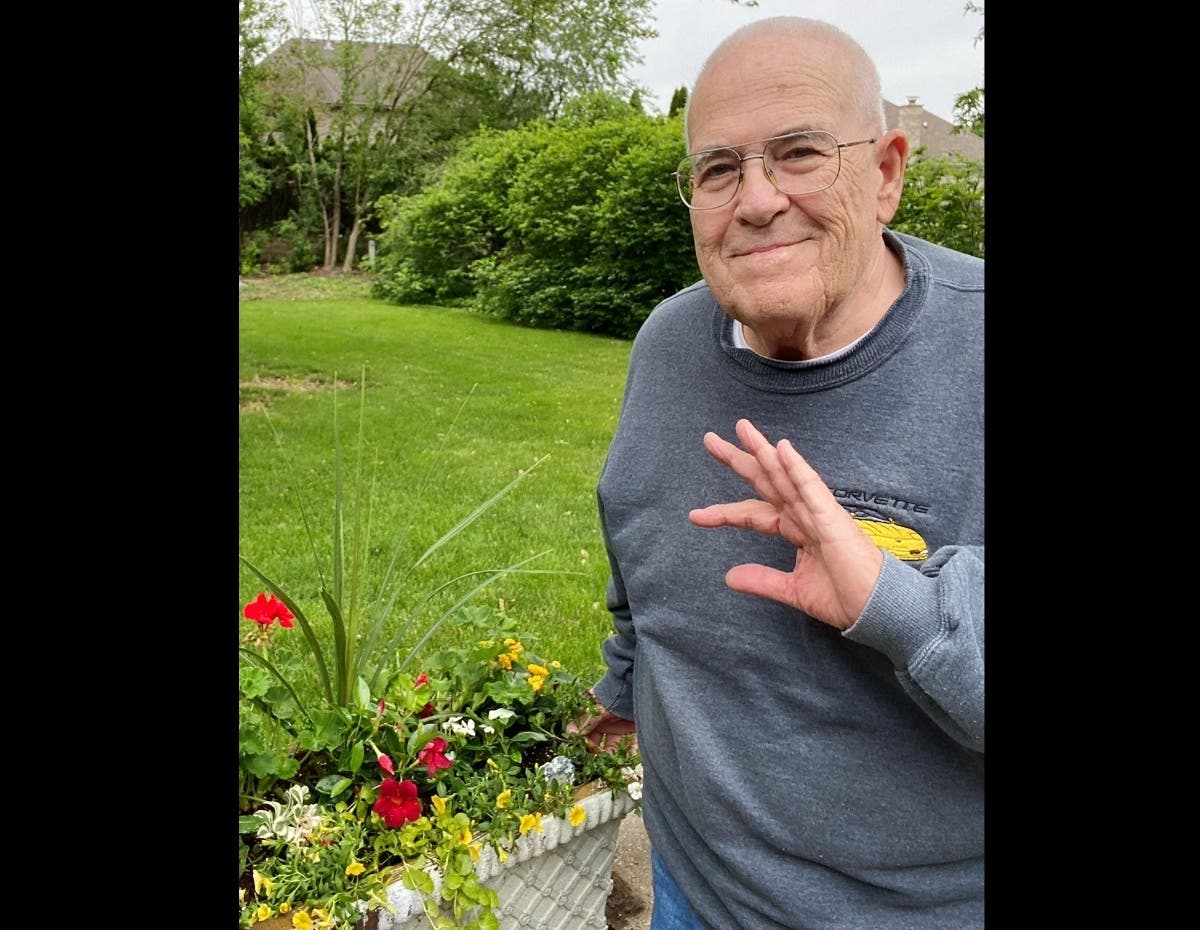
"By sharing Steve's diagnosis, we want to raise awareness of the clear connection between CTE and ALS," said Misty McMichael.


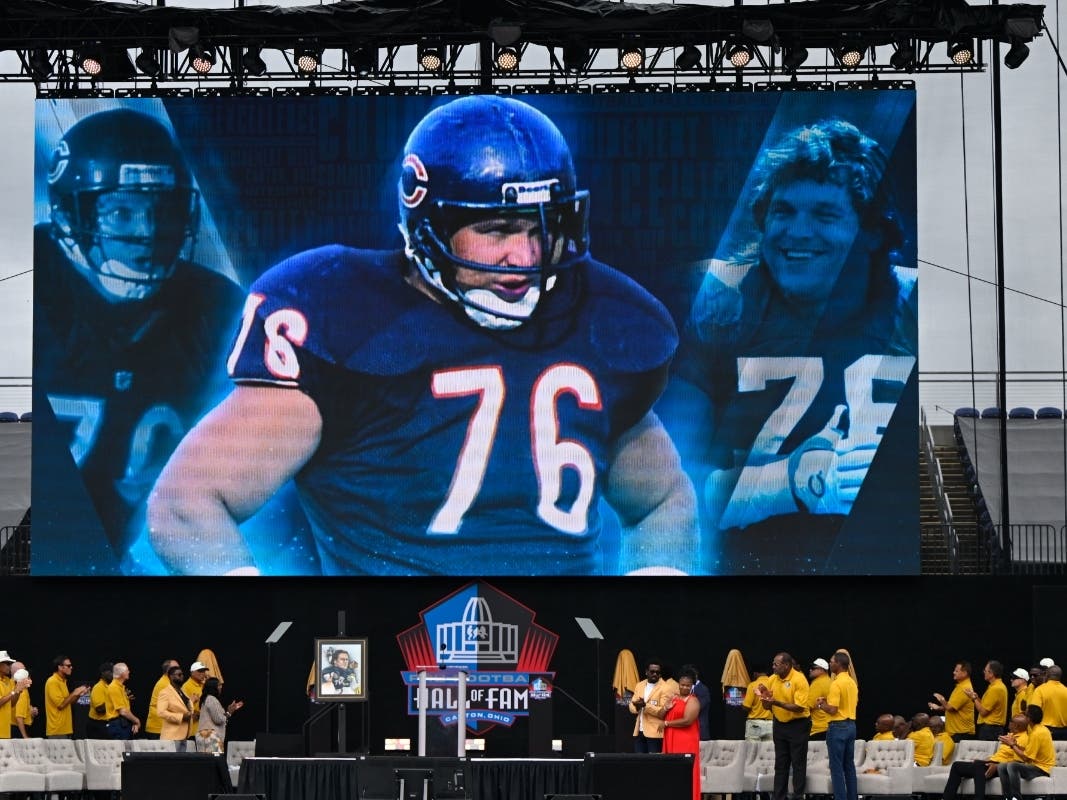
HOMER GLEN, IL — The Concussion & CTE Foundation has announced that Pro Football Hall of Famer Steve "Mongo" McMichael, who died last year, has been posthumously diagnosed with stage 3 of 4 chronic traumatic encephalopathy (CTE), a news release from the Foundation states.
McMichael died in April 2025 after a battle with ALS. He was diagnosed with ALS in 2021.
According to a news release, Steve's wife of 25 years, Misty McMichael, is sharing her husband’s diagnosis to help the public better understand the long-term effects of repetitive head impacts and the urgent need to advance research.
Find out what's happening in Homer Glen-Lockportfor free with the latest updates from Patch.
“By sharing Steve’s diagnosis, we want to raise awareness of the clear connection between CTE and ALS,” Misty McMichael said. “Too many NFL players are developing ALS during life and diagnosed with CTE after death. I donated Steve’s brain to inspire new research into the link between them.”
According to the Foundation, a 2021 study led by researchers at Harvard Medical School and the Boston University CTE Center found NFL players are more than four times more likely to develop ALS compared to the general male population. Among former NFL players who died of ALS and had their brains studied at Boston University, including Kevin Turner, Steve Smith, Wally Hilgenberg, Pete Duranko, and Eric Scoggins, all have been diagnosed with ALS and CTE.
Find out what's happening in Homer Glen-Lockportfor free with the latest updates from Patch.
Steve McMichael followed the research closely while he was alive and pledged to donate his brain to research, saying it was important to him to contribute in any way he could, a news release states.
“Steve McMichael had severe CTE as well as ALS with TDP-43 inclusions typical for ALS in his brainstem and spinal cord,” said Dr. Ann McKee, director of the Boston University CTE Center and chief of neuropathology for the VA Boston Healthcare System. “There is strong evidence linking repetitive brain trauma and ALS; in our CTE brain bank, about 6 percent of individuals with CTE also have ALS.”
“Steve McMichael was known for his strength, toughness, and larger-than-life presence, but his final act was to give a piece of himself back to the sports community so we might have a chance to save ourselves,” Dr. Chris Nowinski, co-founder and CEO of the Concussion & CTE Foundation, said in a release. “I appreciate all the former athletes, including many of Steve’s ’85 Bears teammates, who are raising funds and volunteering to participate in CTE research so we can create a brighter future for athletes everywhere.”
McMichael will be honored at the Concussion & CTE Foundation’s Race to End CTE event on April 23 in Chicago.
Get more local news delivered straight to your inbox. Sign up for free Patch newsletters and alerts.