Crime & Safety
Murder Victim From 1980 Identified Through Relative's DNA: Coroner
The man's body was found in a wooden crate at the Lockport locks power plant in July of 1980.


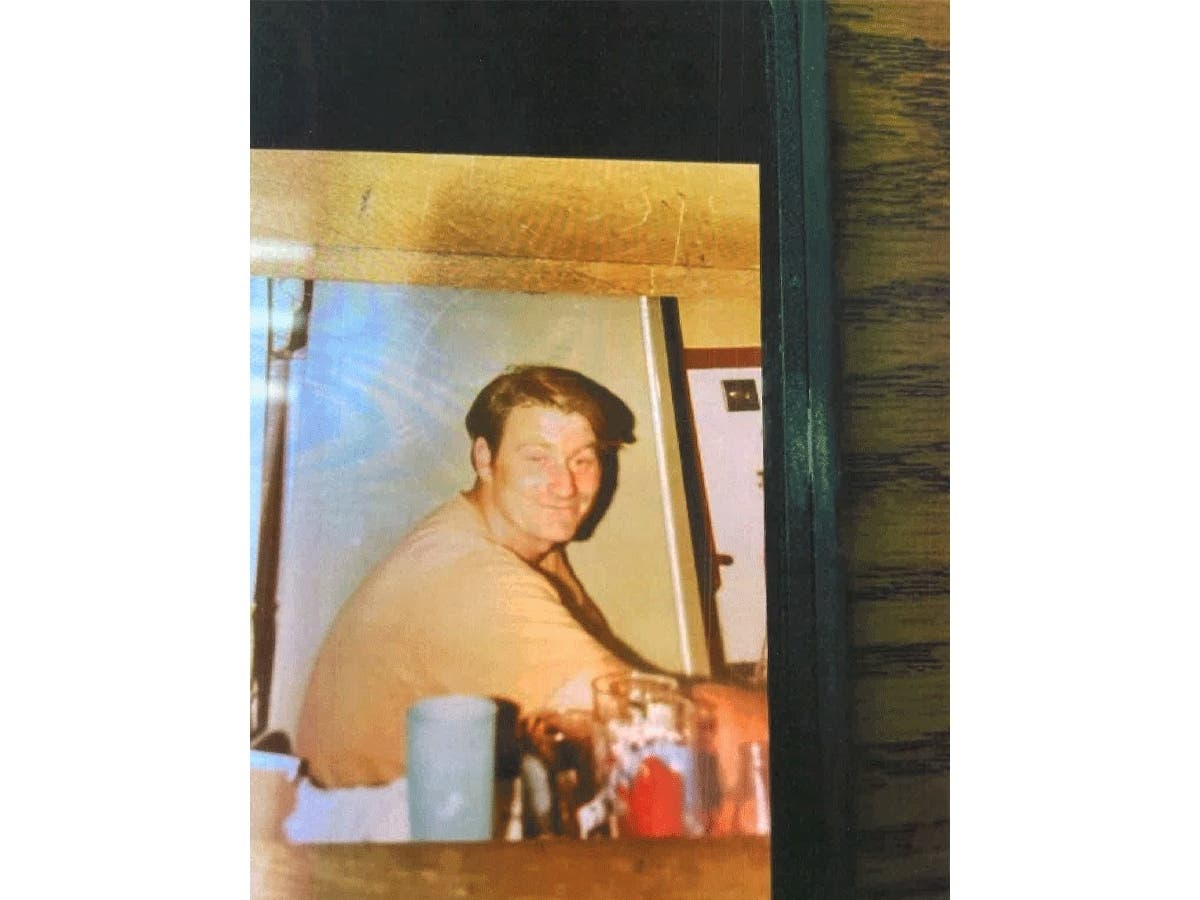
LOCKPORT, IL — A murder victim from 1980 has been identified through forensic genetic leads and a partnership between the Will County Sheriff's Office, Will County Coroner's Office and Othram Inc.
In July 1980, the body of an unidentified man — now known to be 29-year-old Webster Fisher, of Chicago, —was found in a wooden crate at the Lockport locks power plant in Will County, the coroner's office said in a news release. The crate had been removed, along with other debris, from a grate that prevents objects from flowing into the power plant.
The debris was loaded onto a truck, and dumped on power plant property. The coroner's office said the crate had been nailed shut, and a 1.5-inch hole was drilled into it. The victim was sealed in the crate.
Find out what's happening in Homer Glen-Lockportfor free with the latest updates from Patch.
Sometime during removal, the crate broke open, and the victim was found by an employee a few days later, according to the coroner's office. Advanced decomposition made identification difficult.
The coroner's office said an autopsy indicated that the victim had been shot several times. The man had likely been in the water for a couple of weeks. The victim was described as a white man who was 5'11" and 175 pounds, with light brown hair, and between 30 and 40 years old.
Find out what's happening in Homer Glen-Lockportfor free with the latest updates from Patch.
He was possibly a smoker, and had type A blood, according to the coroner's office. He was wearing blue work type pants, green work shirt, wool socks and one house slipper.
Will County Sheriff's investigators followed leads over the next four years, until the case grew cold.
Partial fingerprints were recovered, and submitted to both state and federal databases, but there was no match. Some dental evidence was also developed, but again did not match any known missing persons, according to the coroner's office.
The case was picked up again after 2008, when a part-time cold case unit was created by the Will County Coroner's Office, which also includes Will County Sheriff's investigators.
In 2009, the coroner's office said that hair standards were sent to the University of North Texas Center for Human Identification, where they profiled mitochondrial DNA and nuclear DNA. The profile was entered into the national DNA database for missing and unidentified persons, but still no match was made.
Over the next decade, several people were re-interviewed and new leads were followed. In 2020, the coroner's office approved additional funding for cold case investigations, using new technologies and old-fashioned investigative techniques, the coroner's office said. Over the last year, five cold cases have been solved, thanks in part to a partnership with Othram Inc., which uses forensic genetic genealogy techniques.
Othram uses their own lab for DNA recovery, enrichment, and analysis; and the results are entered into public databases such as Family Tree, the coroner's office said. In this case, results from DNASolves.com were used to solve the case.
Since there were no suitable DNA standards to use for testing, a court order was obtained to disinter the victim, according to the coroner's office. The victims' remains were disinterred in June 2022, with help from the University Of Illinois Forensic Anthropology Department.
Skeletal standards were later sent to Othram for analysis.
In February, Othram provided possible relatives of the victim, who they believed to be a man named Webster Fisher.
Investigators contacted potential relatives and found from their interviews that the unidentified man was likely Fisher. DNA was obtained from a relative, and sent to Othram. The relative's DNA confirmed Fisher's identity, the coroner's office said.
Get more local news delivered straight to your inbox. Sign up for free Patch newsletters and alerts.